The past guards of Crete

Forts

Fortresses

The fortresses of Crete tell the story of an island strategically positioned in the eastern Mediterranean. Built beside harbours, on coastal hills and islets, and along inland passes, they protected towns and sea routes, controlled important roads and served as bases for military garrisons.

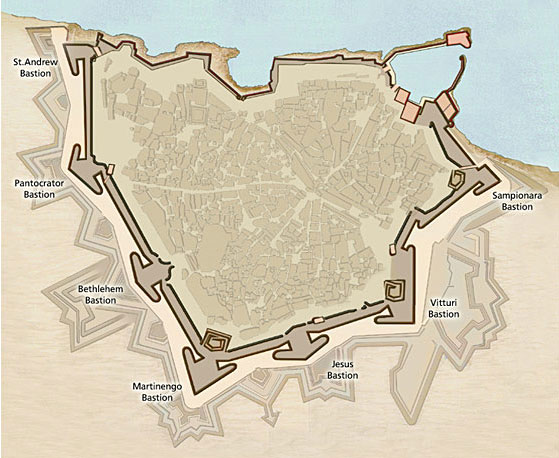
The surviving fortifications date from different periods, with the Venetian works among the most imposing. The walls of Candia in Heraklion, the Venetian fortifications of Chania, the Fortezza of Rethymnon and the island fortresses of Gramvousa, Souda and Spinalonga reflect efforts to defend Crete and its harbours. Advances in artillery prompted the construction of powerful bastions and the remodelling of earlier defensive structures.

During the Ottoman period, many earlier fortifications were repaired and reused. In the 19th century, a network of smaller forts, known as koules, was also developed to control the countryside and suppress the Cretan uprisings.

From large coastal castles to ruined strongholds on remote hilltops, each site reveals a different aspect of Crete’s history. Some retain impressive walls, gateways and buildings, while others survive only as scattered remains, their position in the landscape still revealing their strategic importance.

Fortified Towns

Fortified Towns

In medieval Crete, the Greek word “kastro” could refer to an entire fortified town. A characteristic example is Chandax, modern-day Heraklion, which became known as Megalo Kastro, or the Great Castle. The walls protected the inhabitants and the town’s principal activities, while gateways connected the urban area with the harbour and the countryside. Fortifications were adapted and extended to meet the needs of each period. Particularly under Venetian rule, the growth of trade and advances in military technology prompted the construction of new defensive works. In Heraklion and Chania, surviving walls, bastions and moats still shape the character of the old town. This section explores the history of the fortifications of Heraklion, Chania, Rethymnon, Sitia and Ierapetra. Their surviving monuments and traces of earlier defensive circuits reveal how these towns were protected and how their fortifications influenced their development. {loadposition unescosites}

Read more ...

Ottoman Forts (Koules)

Ottoman Forts (Koules)

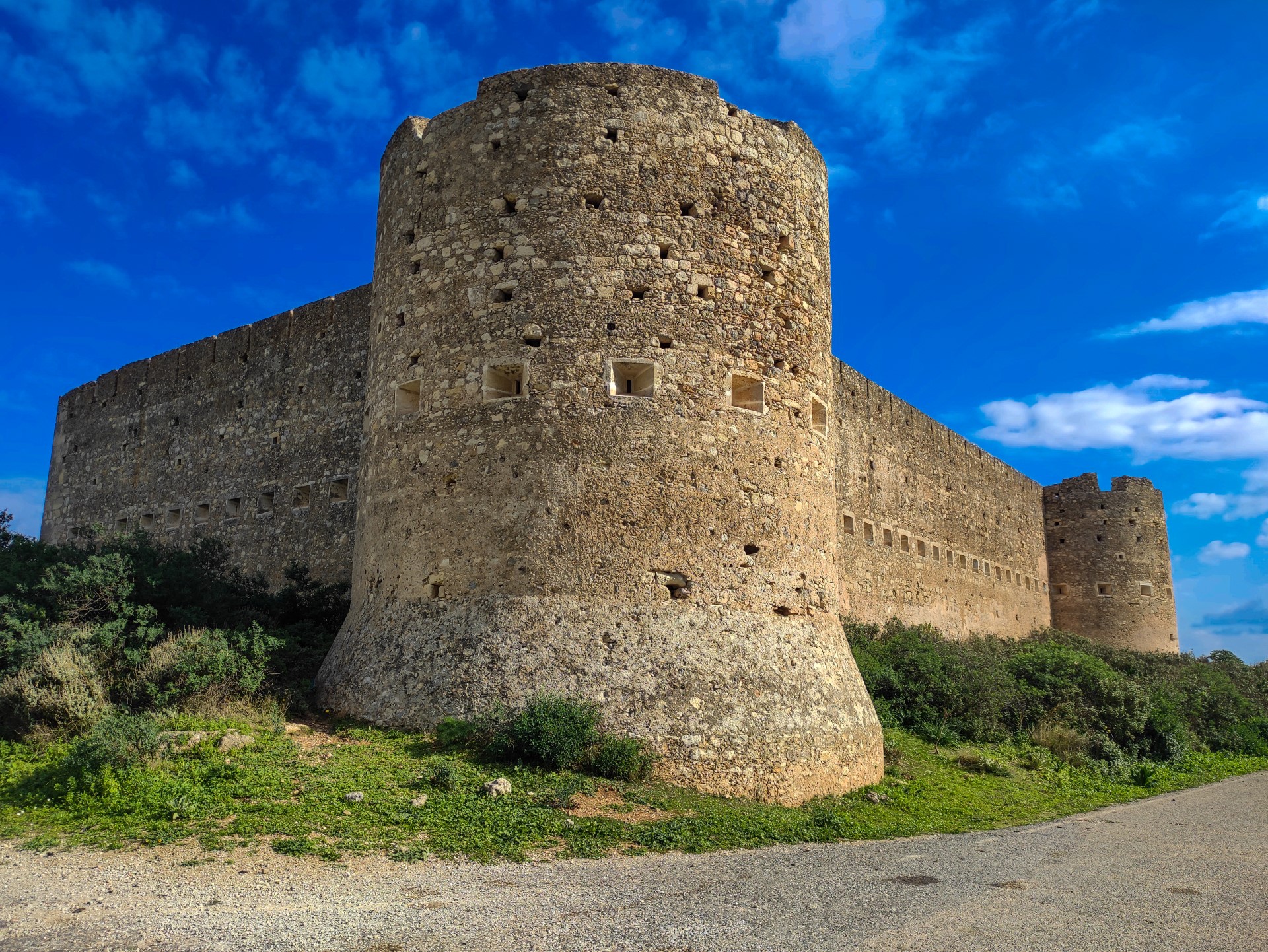
Koules are small Ottoman fortresses built at strategic locations across Crete to monitor the countryside and control important passages. Their name derives from the Turkish word “kule”, meaning tower. Many formed part of the extensive defensive network developed during the Great Cretan Revolt of 1866–1869. Construction of the network began under Omer Pasha and accelerated under Hüseyin Avni Pasha. Its purpose was to sever communication between rebel groups, restrict supplies reaching them from the coast and maintain a permanent military presence inland. The forts were therefore components of an organised system designed to control the island and suppress the revolt. Sites were chosen on hilltops, at crossroads and mountain passes, and near small harbours. Many forts were within sight of one another, allowing their garrisons to relay warnings through sound signals or fires. Smaller watchtowers were linked to larger barracks and command installations known as kışlas. Their construction met with resistance from the rebels and often proceeded amid armed clashes. Pressure to complete the works quickly resulted in hastily built structures, some of which suffered from structural weaknesses. Local labourers and craftsmen were employed, sometimes for payment and sometimes under coercion, alongside craftsmen brought from other areas. Today, some forts retain substantial sections of their walls, firing loopholes and internal spaces, while others have fallen into ruin or disappeared. Place names such as “Koules” and “Pyrgos” often preserve the memory of former strongholds. Scattered across hills and passes, the surviving remains help visitors understand both the military organisation of the period and the challenges faced by the Cretan insurgents.

Read more ...

Towers and Chateaus

Towers and Chateaus

Οι πύργοι και οι επαύλεις της Κρήτης συνδέονται με την άμυνα, την κατοίκηση και την άσκηση εξουσίας στην ύπαιθρο. Χτισμένα μέσα σε χωριά, σε αγροτικά κτήματα ή σε θέσεις με ευρεία εποπτεία, τα κτίρια αυτά εξυπηρετούσαν διαφορετικές ανάγκες, από την προστασία μιας οικογένειας και της περιουσίας της μέχρι την επιτήρηση περασμάτων και την οργάνωση της τοπικής διοίκησης. Οι μεμονωμένοι πύργοι ήταν συνήθως ψηλά, συμπαγή οικοδομήματα με περιορισμένα ανοίγματα και αμυντικά χαρακτηριστικά. Αρκετοί συνδέθηκαν με οικογένειες γαιοκτημόνων της Ενετοκρατίας και αργότερα με Οθωμανούς αξιωματούχους. Μπορούσαν να λειτουργούν συγχρόνως ως κατοικίες, χώροι αποθήκευσης και καταφύγια, ενώ οικόσημα και επιγραφές πάνω από τις εισόδους διατηρούν σε ορισμένες περιπτώσεις στοιχεία για τους ιδιοκτήτες τους. Διαφορετικό ρόλο είχαν οι παράκτιοι πύργοι επιτήρησης, οι βίγλες, που επέβλεπαν τη θάλασσα και προειδοποιούσαν για εχθρικά πλοία ή πειρατικές επιδρομές. Η οπτική επικοινωνία μεταξύ διαδοχικών θέσεων επέτρεπε τη μετάδοση σημάτων και την έγκαιρη ειδοποίηση των γύρω περιοχών. Οι επαύλεις αποτελούσαν κυρίως κατοικίες αρχόντων και εύπορων οικογενειών, με μεγαλύτερη έμφαση στην άνεση, την οργάνωση των χώρων και τον αρχιτεκτονικό διάκοσμο. Ορισμένες συνδύαζαν οικιστικές και αμυντικές λειτουργίες, ενώ αρκετές επαναχρησιμοποιήθηκαν κατά την Οθωμανική περίοδο ως κατοικίες αξιωματούχων, γνωστές και ως κονάκια ή σεράγια. Η έπαυλη De Mezzo στην Ετιά αποτελεί χαρακτηριστικό παράδειγμα αυτής της διαδοχής χρήσεων. Σήμερα, άλλοι πύργοι και επαύλεις διατηρούνται ή έχουν αποκατασταθεί, ενώ άλλοι σώζονται αποσπασματικά μέσα στους οικισμούς και στο αγροτικό τοπίο. Μαζί με τα ίχνη των κτισμάτων που χάθηκαν, φωτίζουν την καθημερινή ζωή, τις κοινωνικές σχέσεις και τις συνθήκες ασφάλειας της κρητικής υπαίθρου. Ξεχωριστή κατηγορία αποτελούν οι οθωμανικοί κουλέδες του 19ου αιώνα, οι οποίοι εντάσσονταν σε οργανωμένο στρατιωτικό δίκτυο ελέγχου του νησιού.

Read more ...

Vigla Fort in Kerato

Vigla Fort in Kerato

1 1 1 1 1 1 1 1 1 1 Rating 5.00 (4 Votes)
Above the seaside settlement of Keratokambos rises the steep hill of Kerato, also known as Kastri or Vigla, on which the ancient city of Kerea is believed to have been built. Vigla also hosts the impressive cave Nychteridospilios (meaning Bat cave), which was used as a sanctuary during the antiquity.

Read more ...

Apano Kasteli fort at Kastri

Apano Kasteli fort at Kastri

1 1 1 1 1 1 1 1 1 1 Rating 5.00 (4 Votes)
In the Mylopotamos province, one of the most mountainous in Crete, there were many fortresses. Among them are the Castle of Mylopotamos located in the village of Panormos and Panokastri near Agios Mamas. Panokastri or Pano Kasteli is situated in a rocky position above the village Kastri. This belonged to the family of the noble Alexios Kallergis from 1341.

Read more ...

Download Free Premium Joomla Templates • FREE High-quality Joomla! Designs BIGtheme.net