




 Votiros and Gria’s Pies

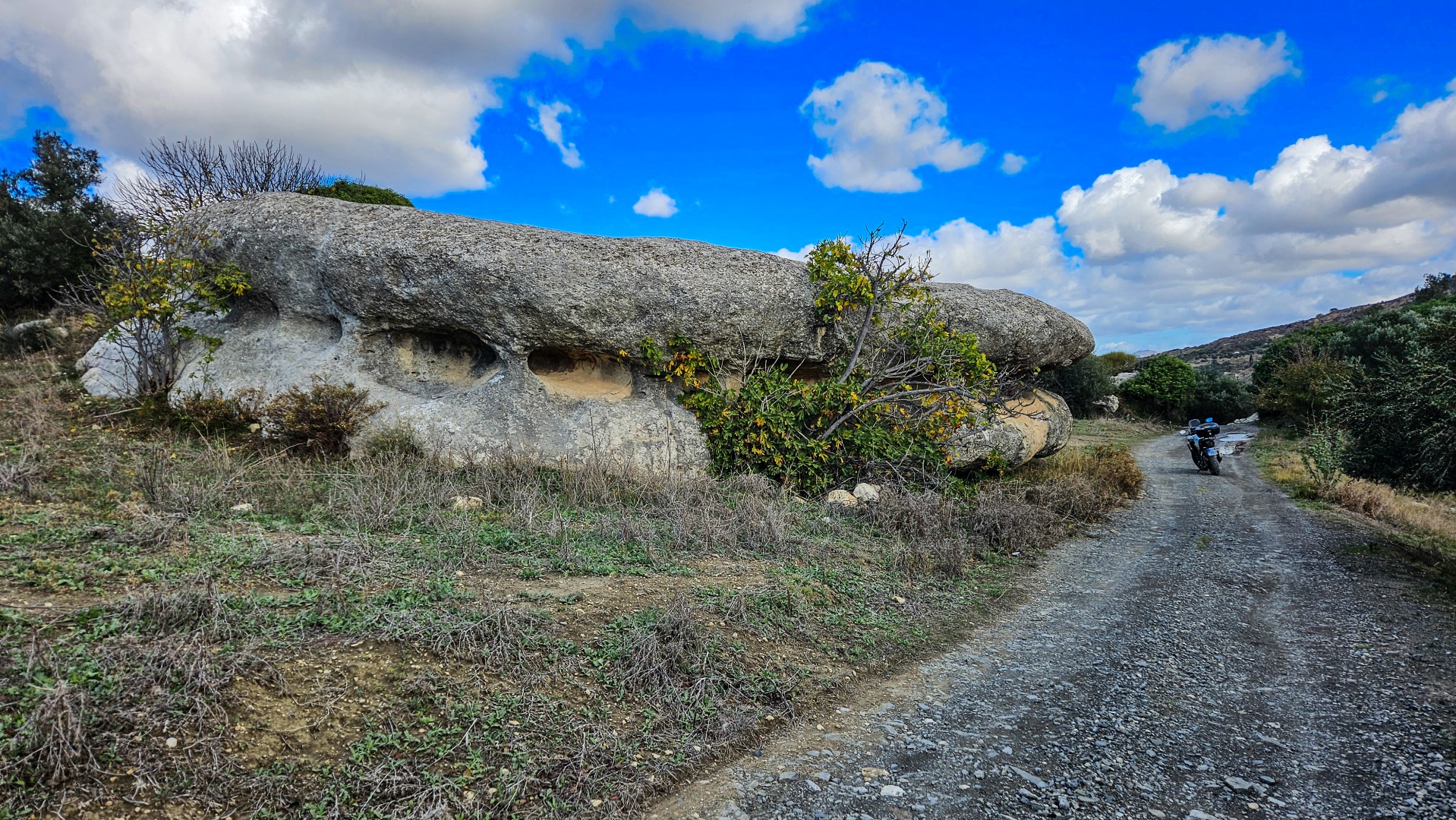
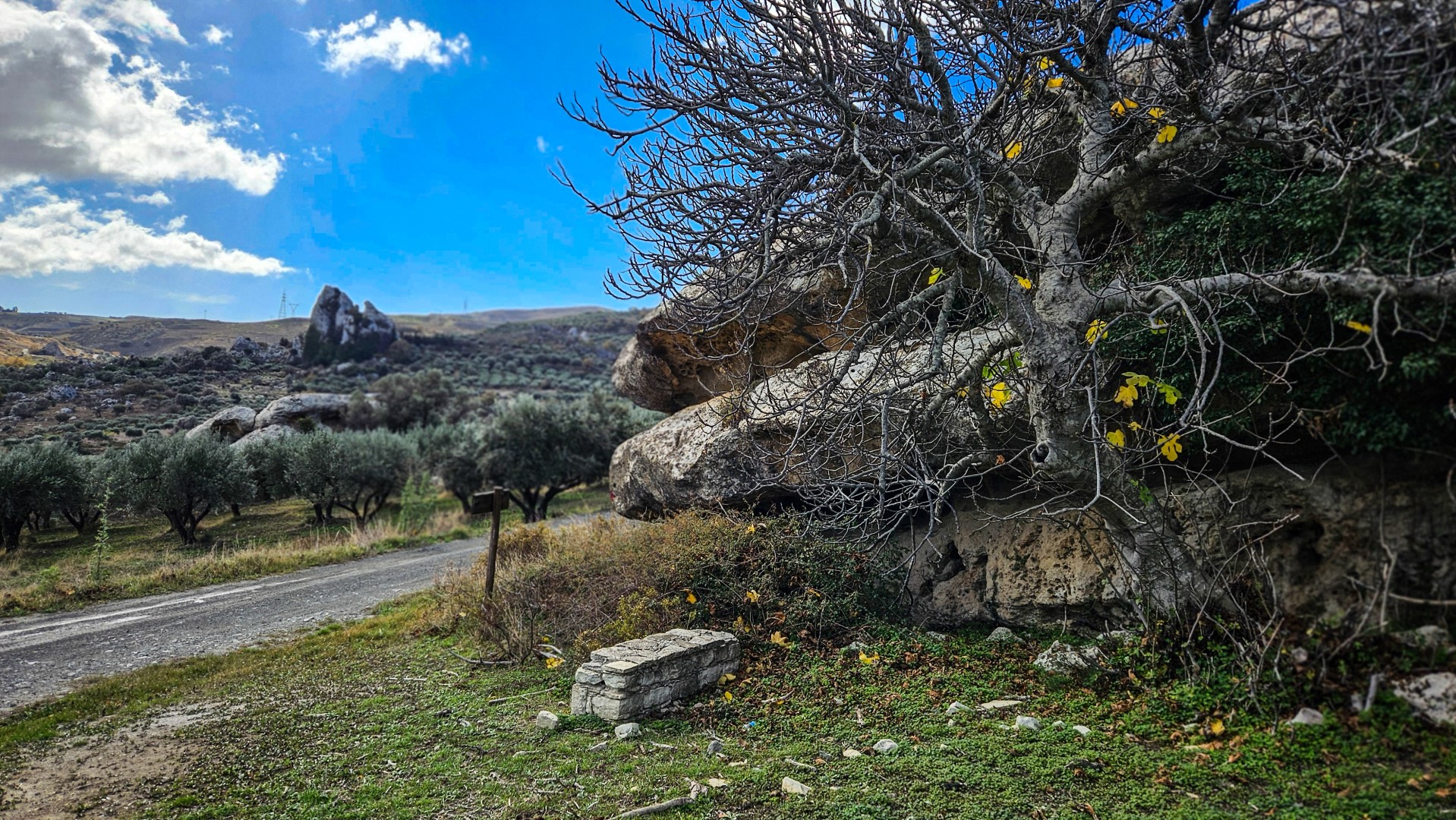
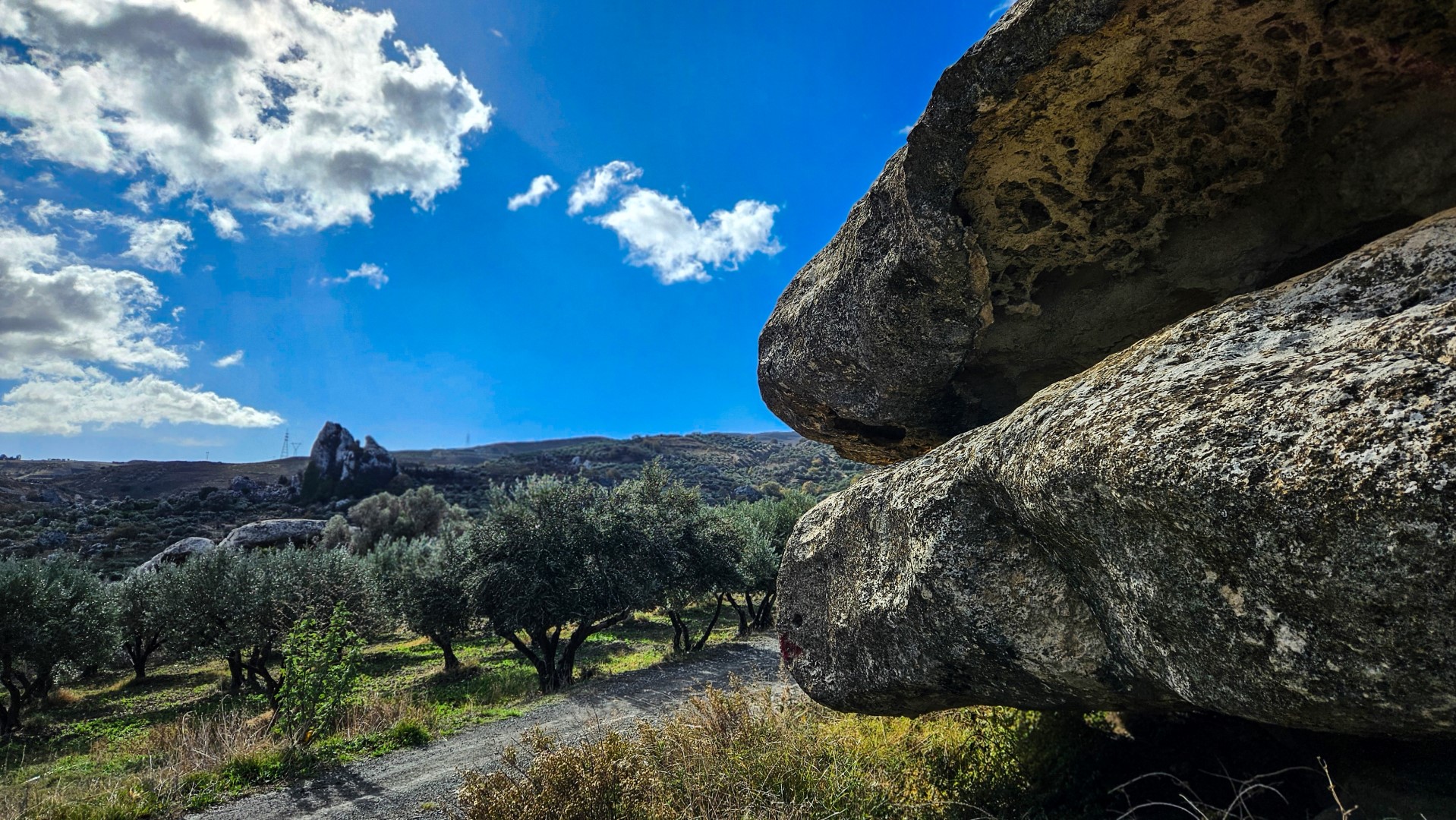
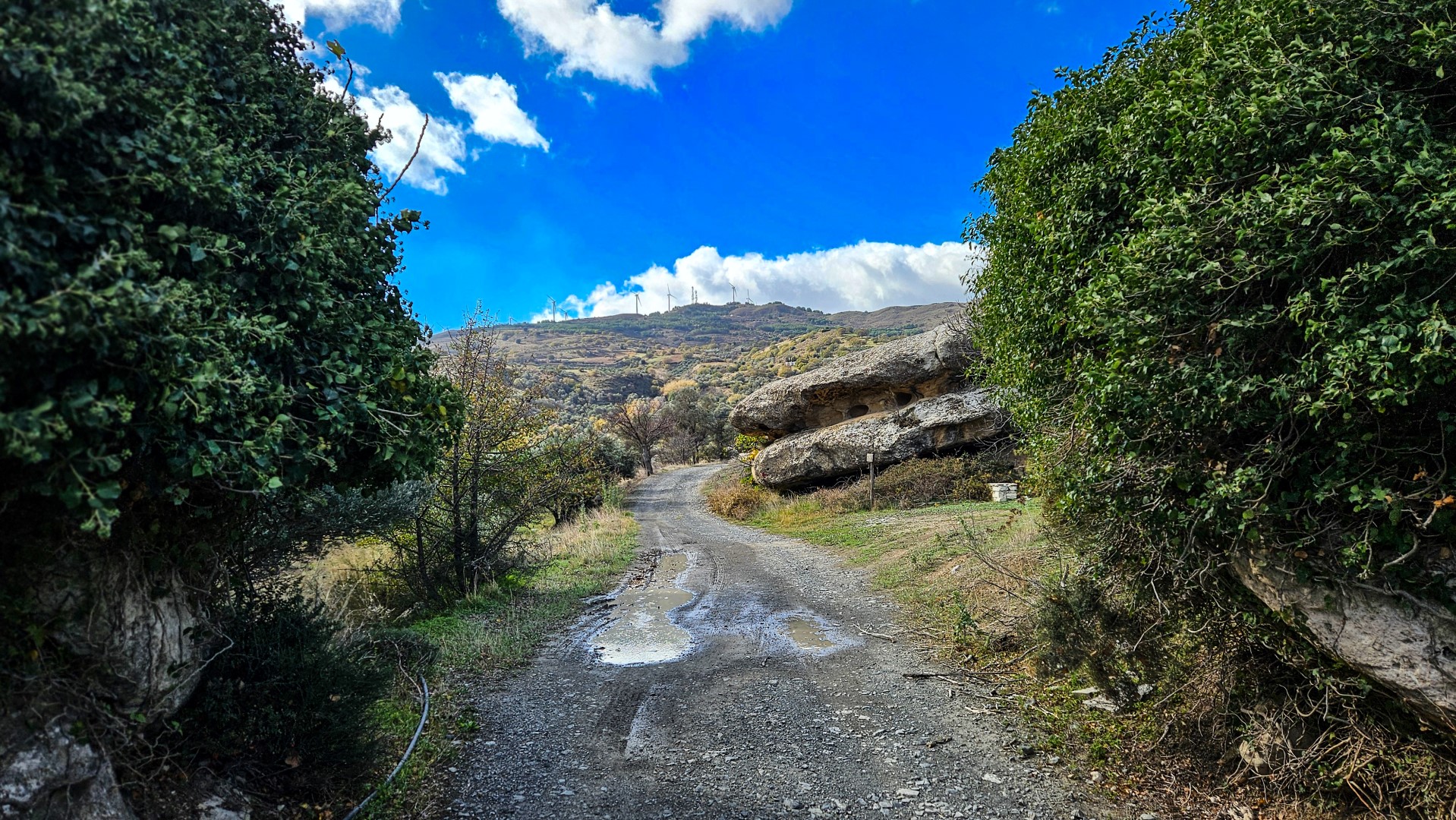
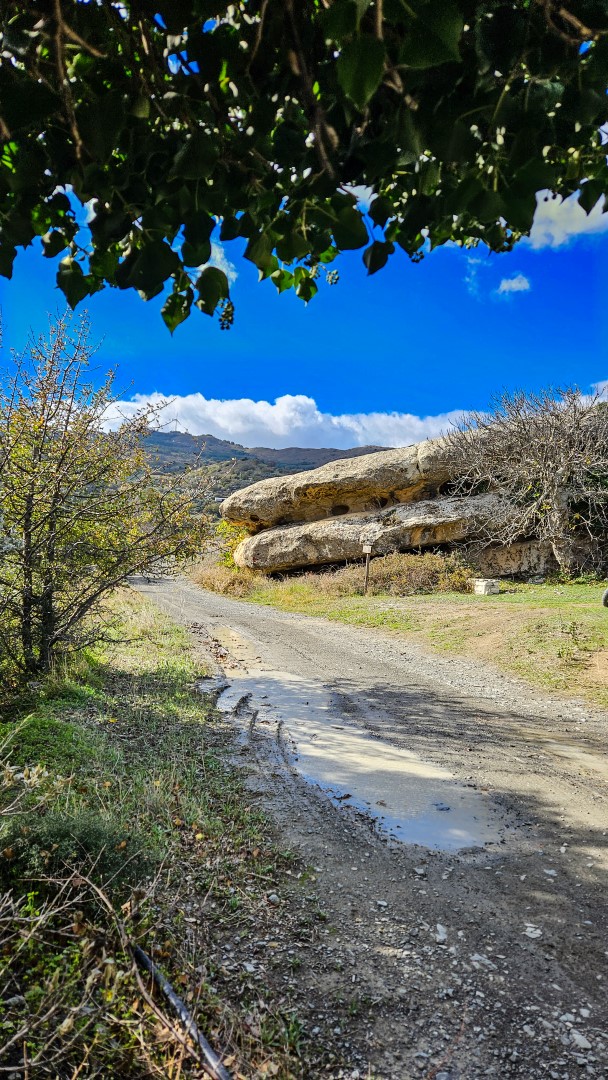
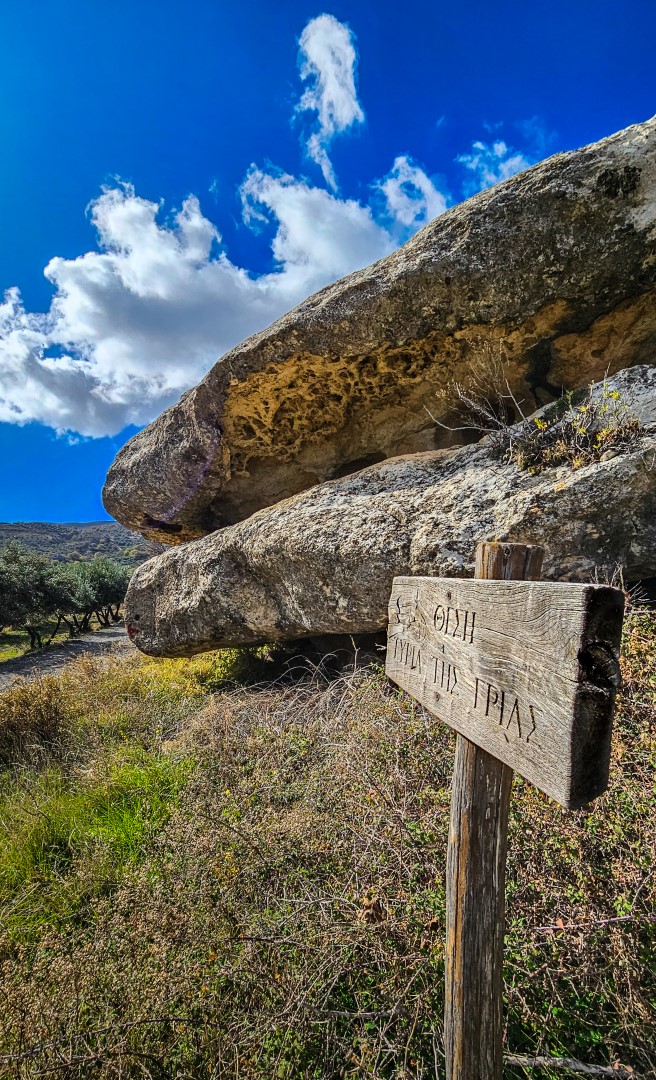
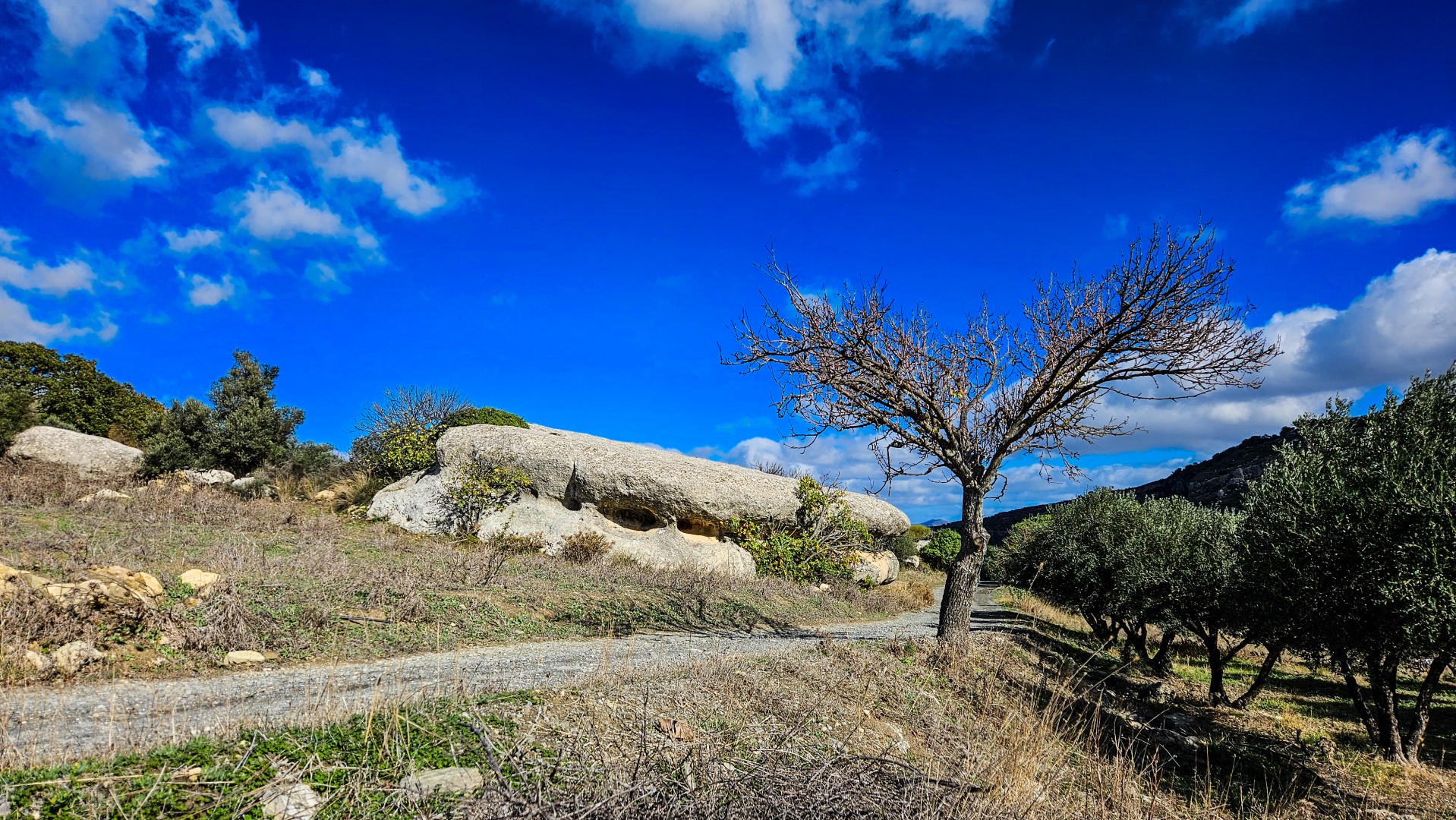
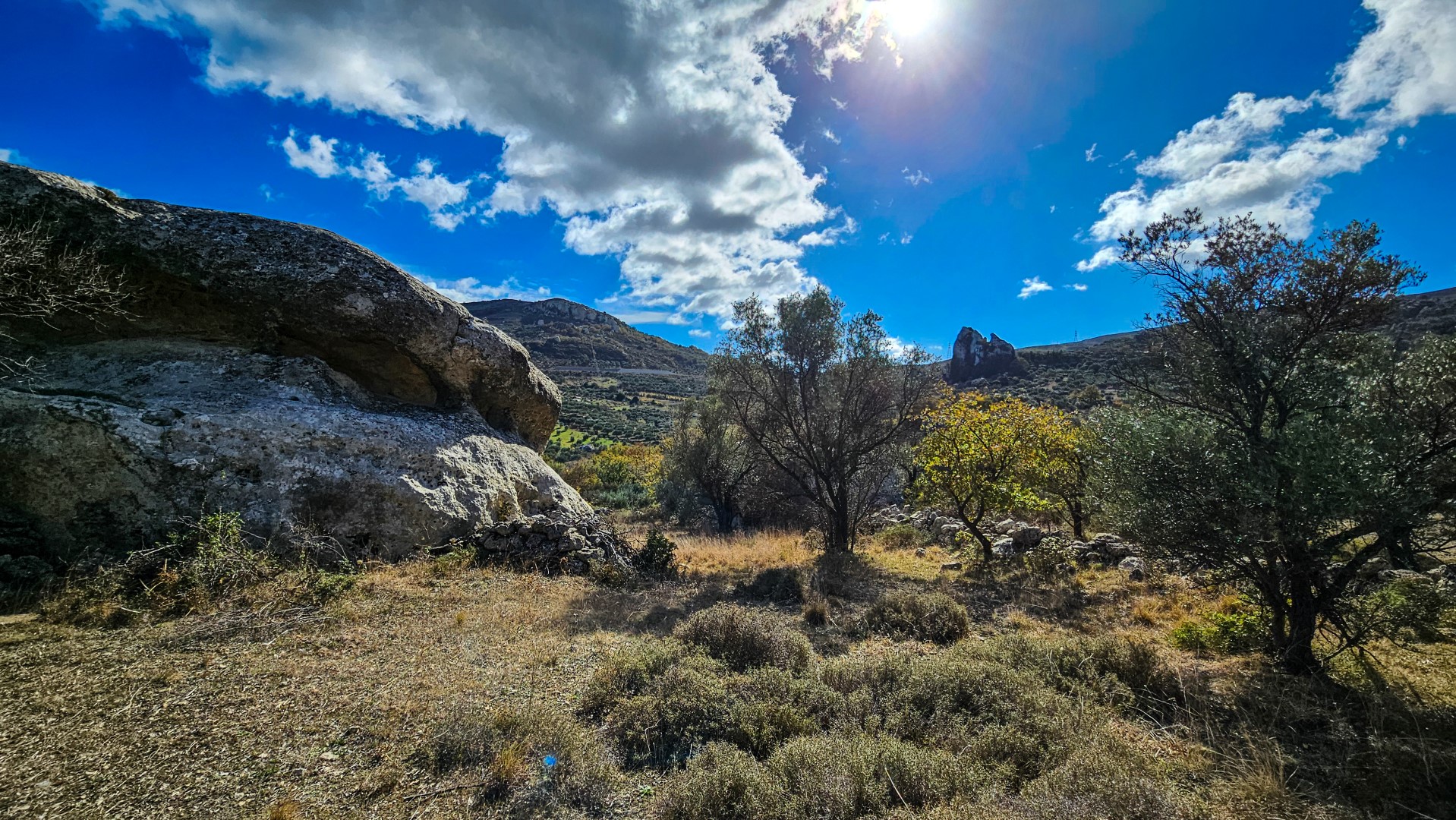
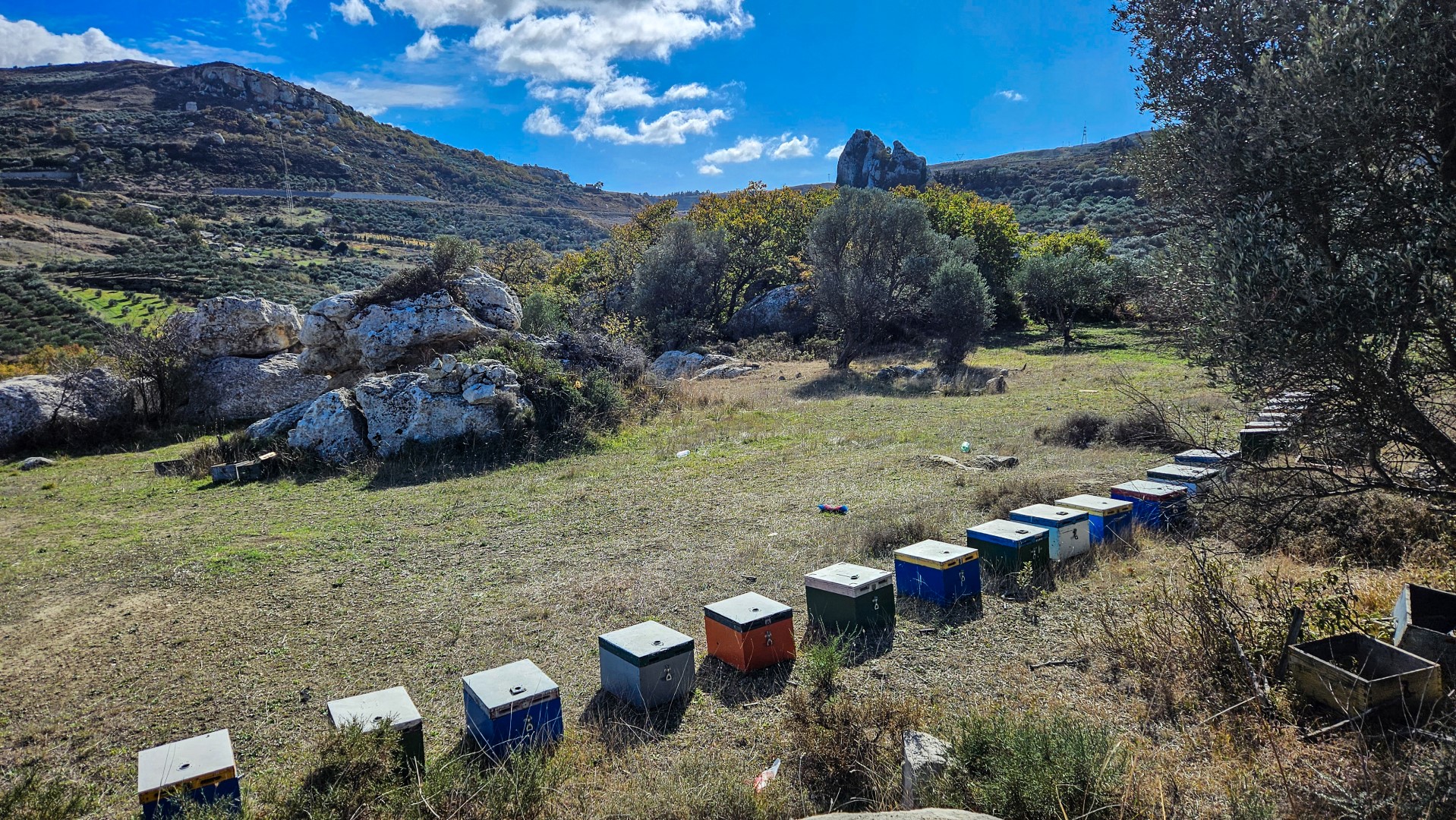
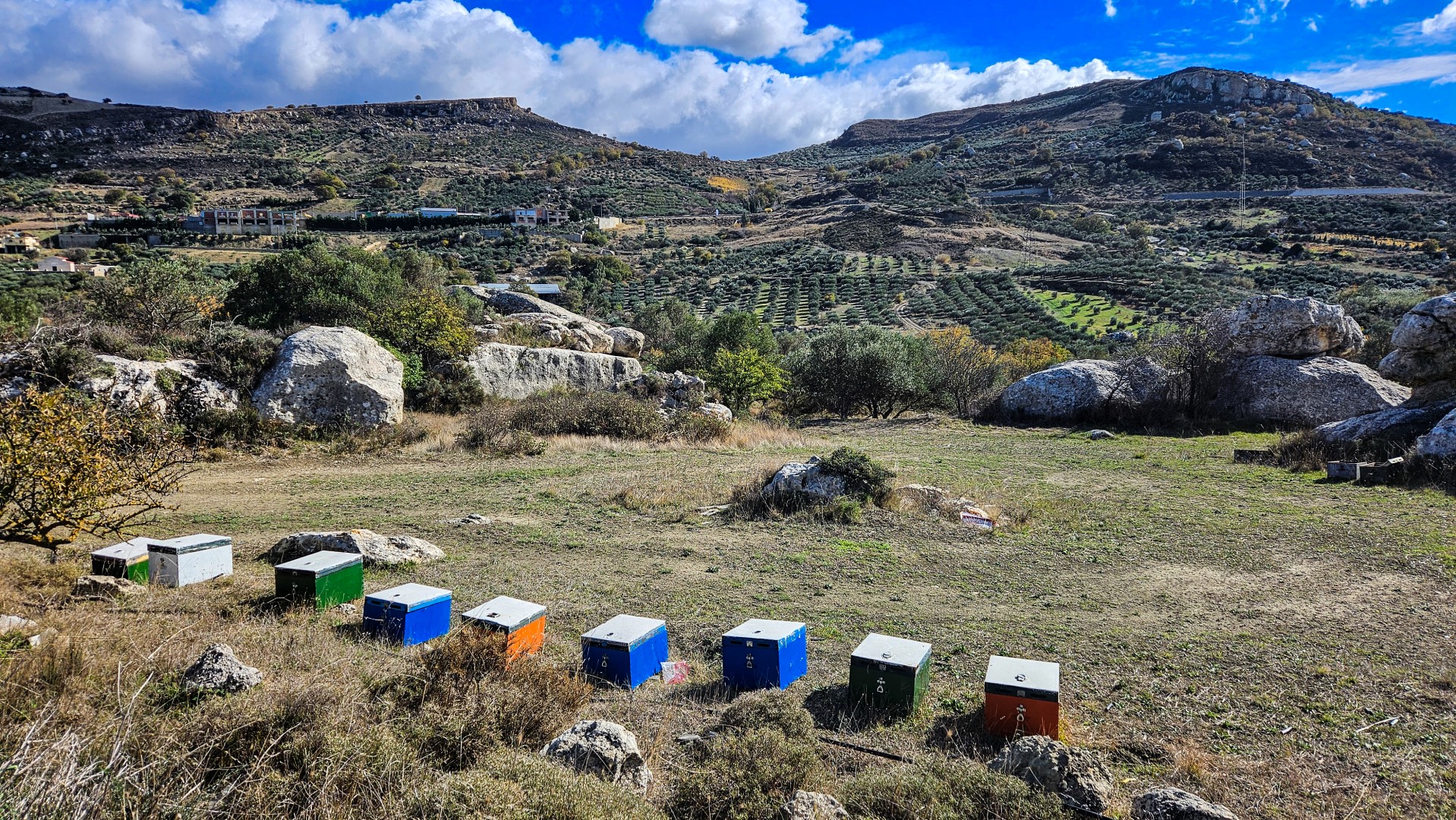
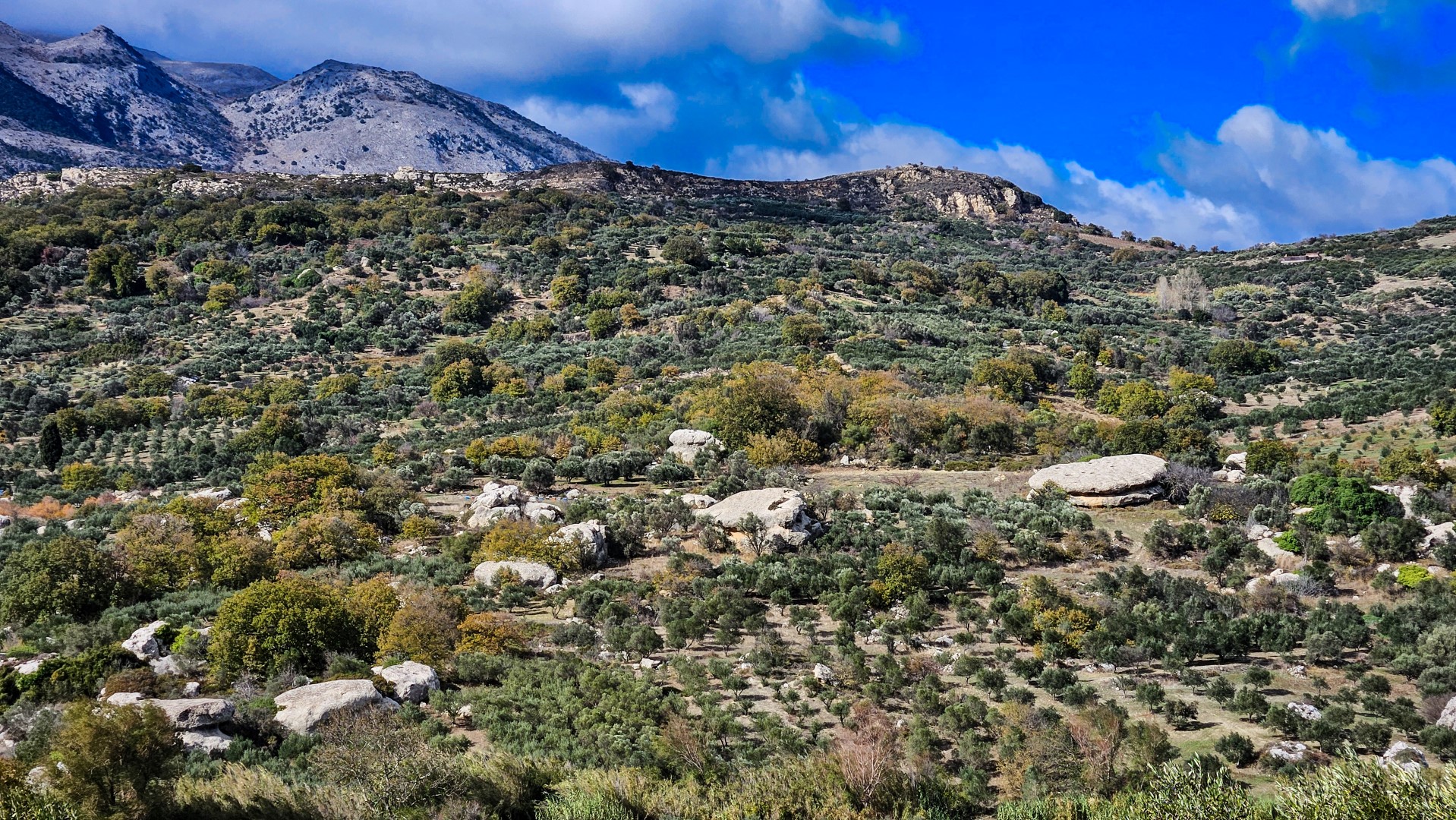
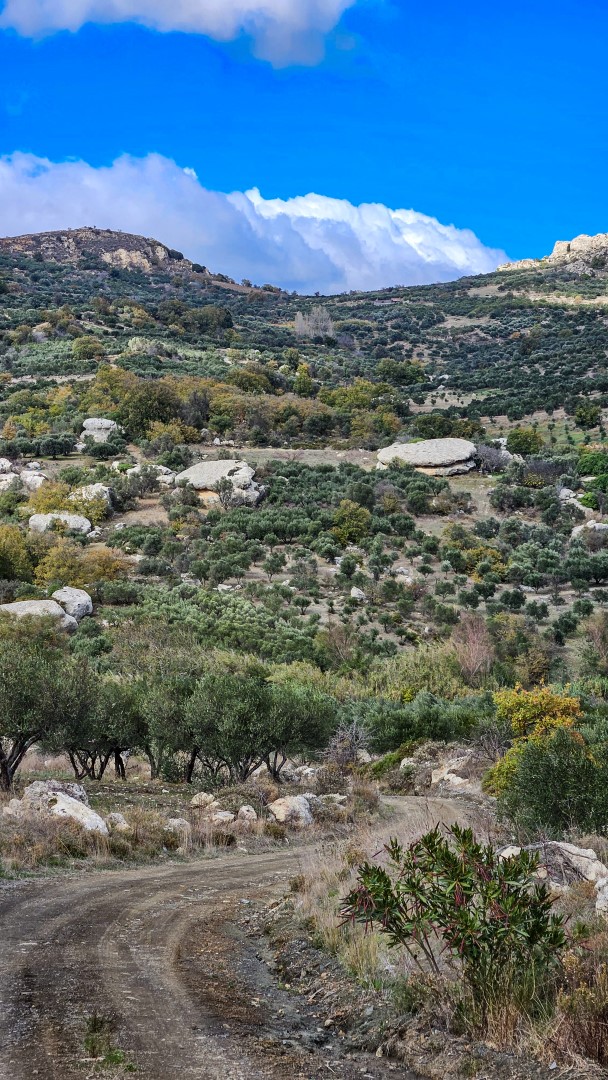
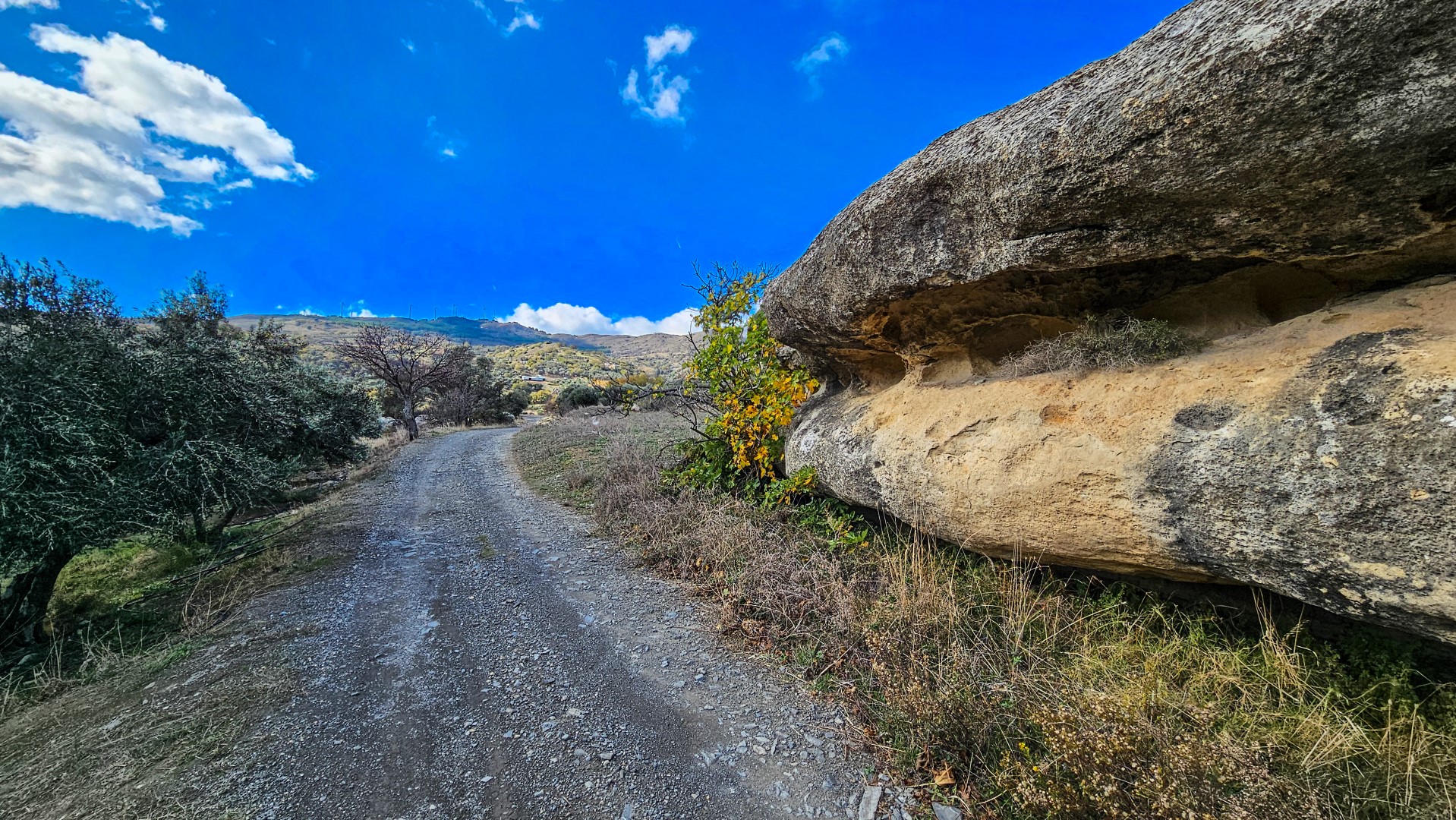
Near Agia Varvara in Heraklion, in the area of Prinias and at the location Plakota Harakia, we encounter some of the strangest geological formations in the Cretan countryside. These are enormous circular and flattened rocks, in some cases reaching a diameter of 20 metres, scattered along the ravine among olive groves and cultivated fields.
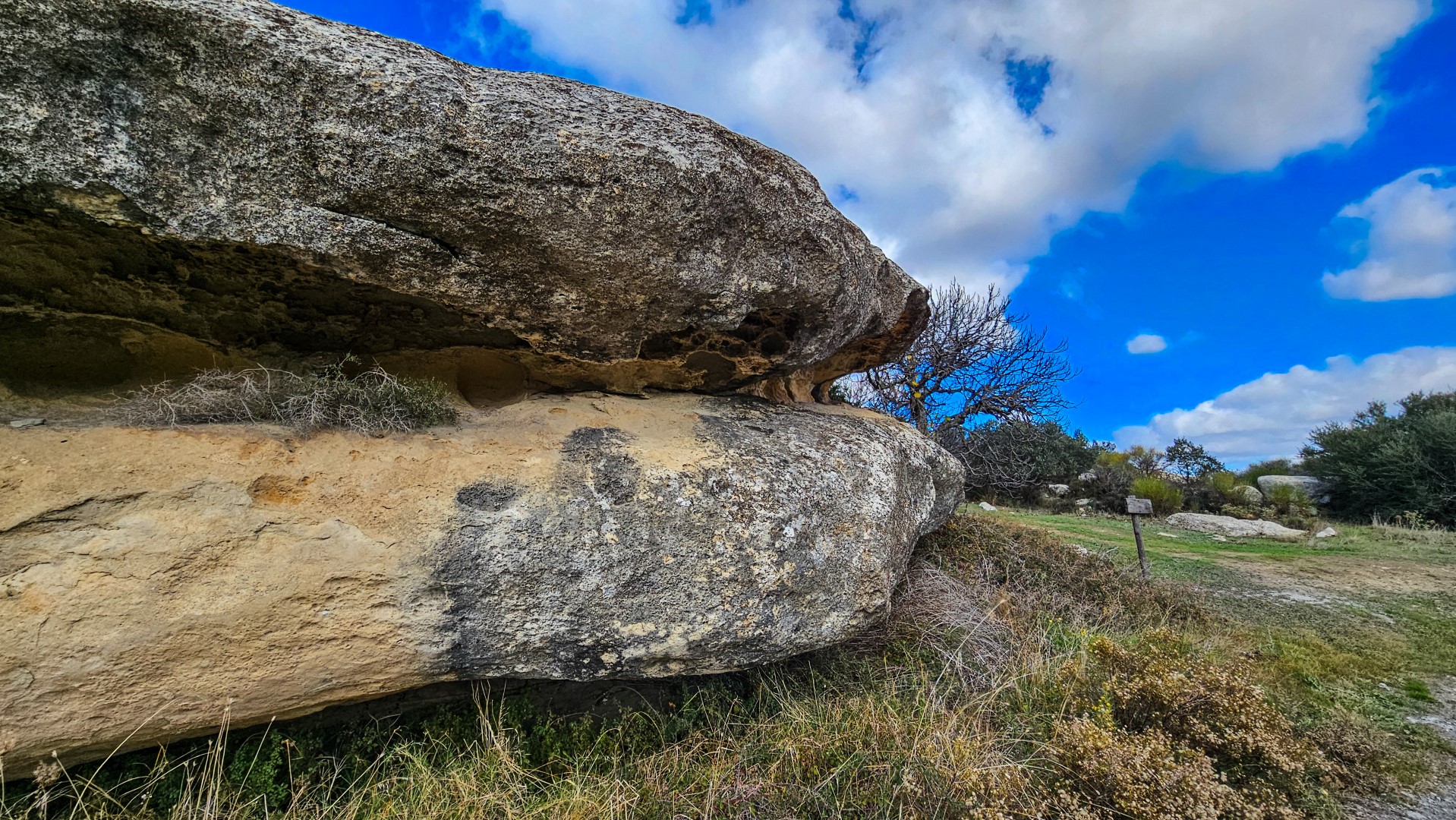
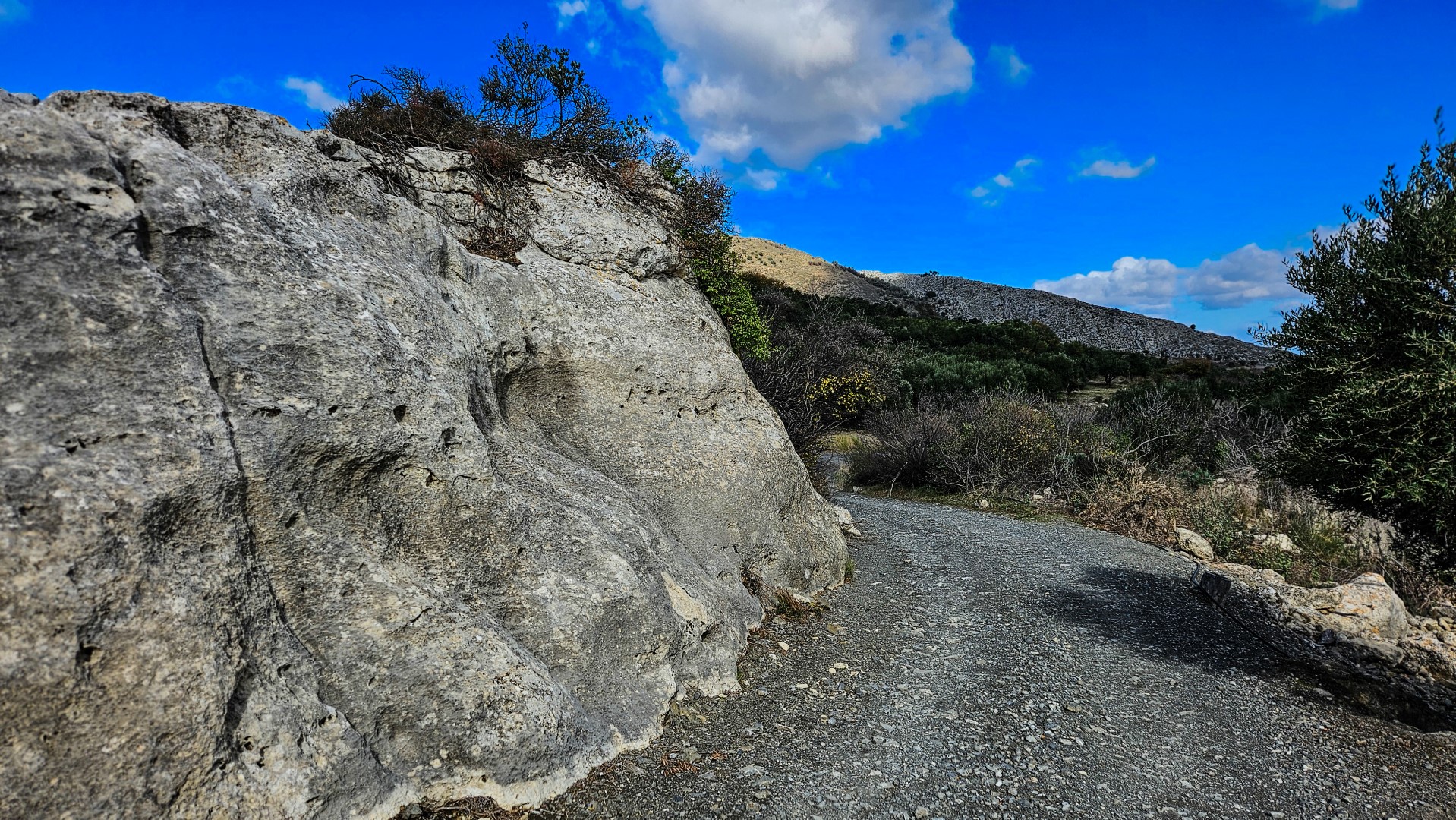
The locals call them “Gria’s Pies”, “Gria’s Cheeses” or “Gria’s Loaves”, as their shape resembles enormous pies, loaves of bread or wheels of cheese. Many of the rocks have a distinctive groove running around their circumference, giving them an even stranger appearance and making them look from a distance like gigantic hamburgers.
The formations lie beneath the Patella hill of Prinias, where the ruins of ancient Rizinia survive. They consist of white Neogene limestone, approximately 6–7 million years old, containing numerous fossils of sea urchins and bivalve molluscs.
The large limestone masses broke away from the upper slopes of Patella and rolled down into the ravine. Over time, erosion and the action of water and other natural elements shaped the rounded surfaces and characteristic grooves visible today.
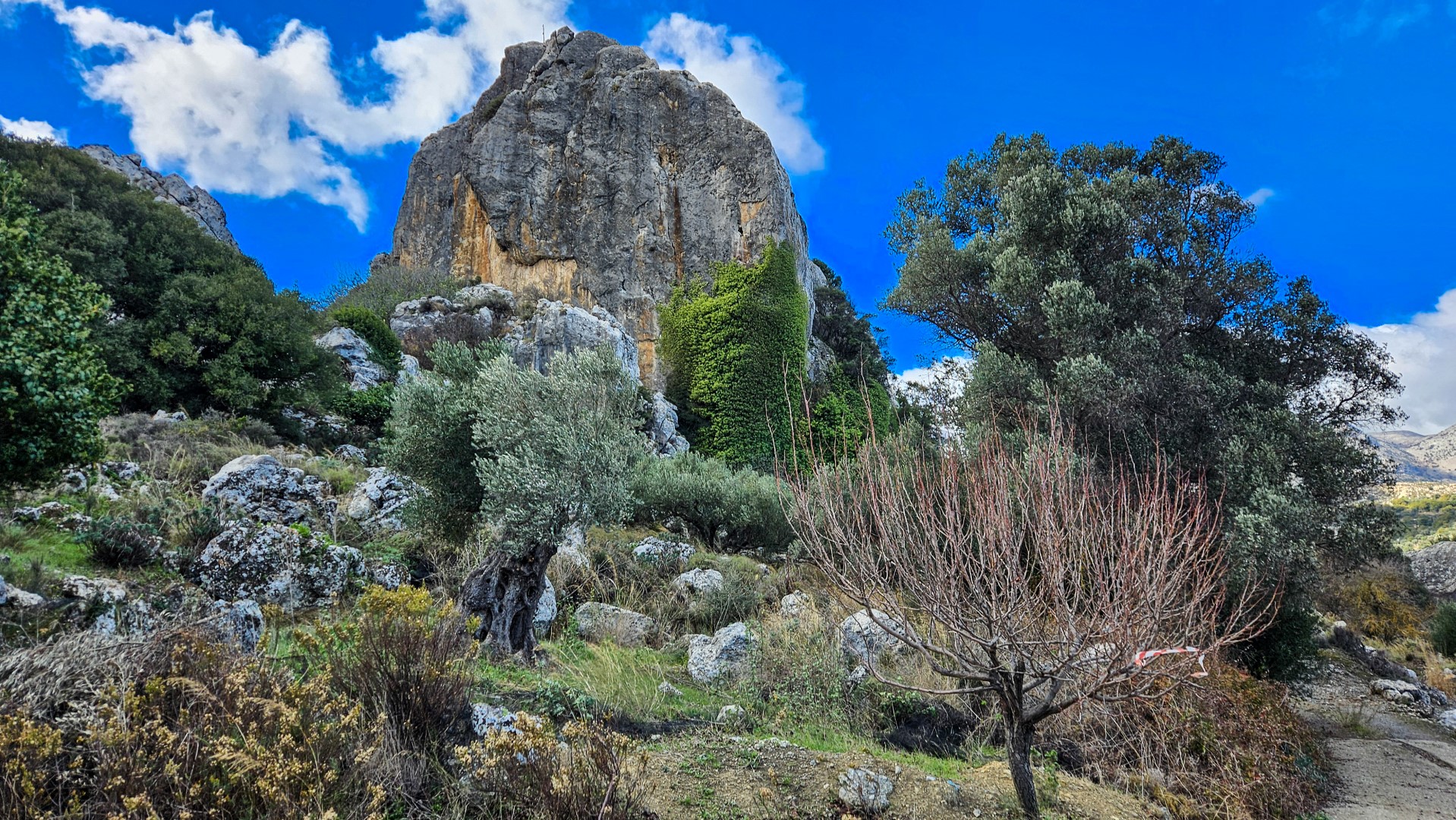
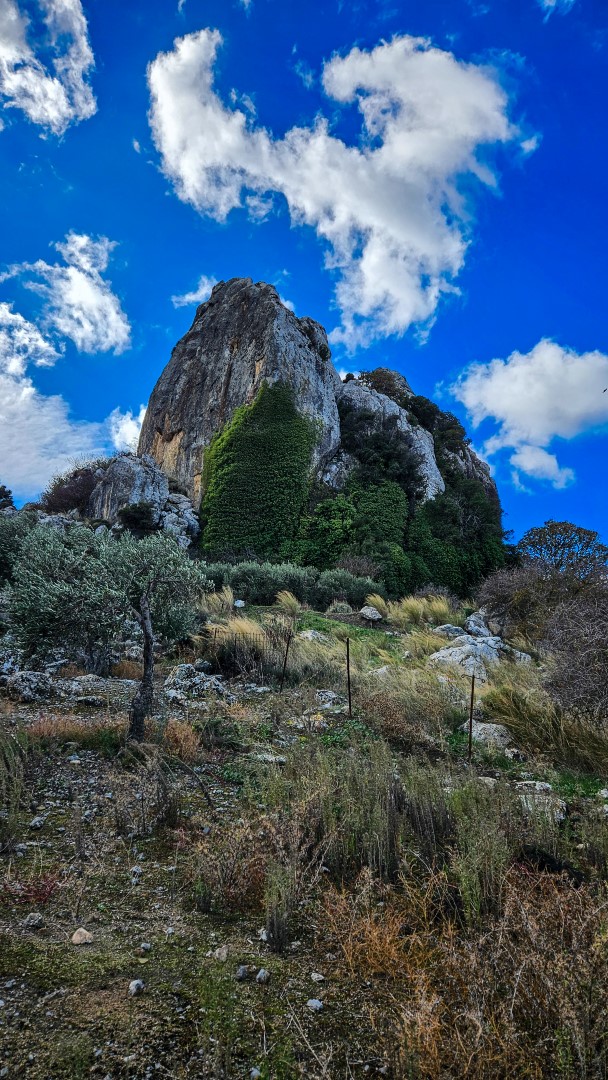
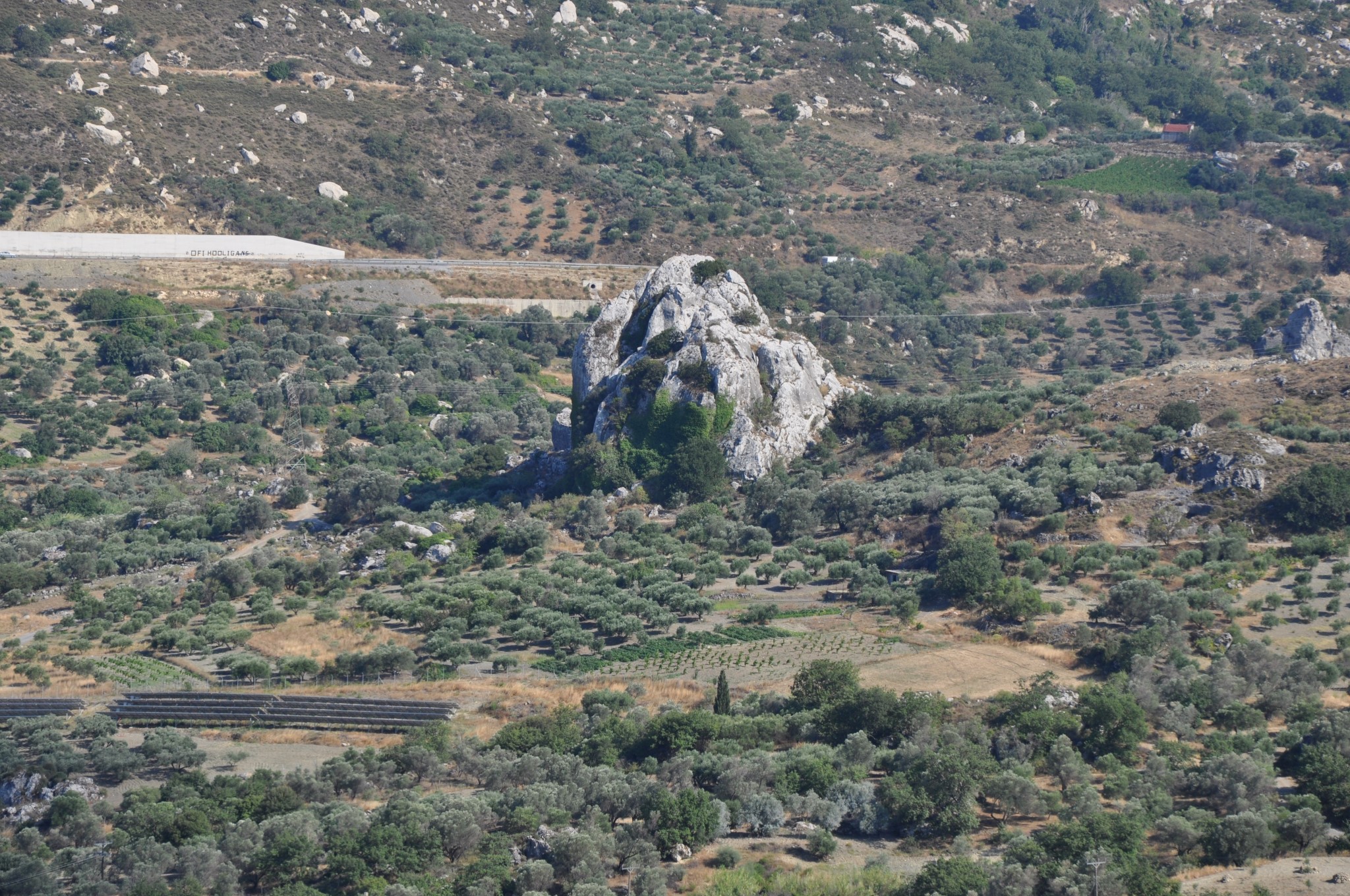
Among them stands an enormous vertical rock known as Harakas or Votiros, which dominates the landscape and is usually crowned by a Greek flag. This impressive monolith is closely connected with the folk traditions created around these unusual rocks.
According to the best-known legend, an old woman used to graze her flock here and prepare cheese in a cauldron placed on top of the large rock. One year, February was particularly harsh and the old woman, exhausted by the persistent bad weather, mocked the month when its final day arrived, saying: “You are leaving, short February, and we shall finally escape the misery you have brought us”.
February became angry and asked to borrow one additional day from March. Such a violent storm then broke out that the old woman sought shelter beneath the large rock, where she eventually died. Her sheep were left without their owner, while her cheeses turned to stone and remained scattered across the area, forming the present-day “Gria’s Pies”.
According to another local version, the old woman was extremely wealthy but also miserly. When some hungry people attempted to take a few of her plentiful cheeses, she cursed them, causing both the cheeses and herself to turn to stone. In this version of the legend, the great Votiros is either the petrified old woman herself or the rock upon which she prepared her cheeses.
A similar legend survives in nearby Avgeniki, where several large rocks are known as “the old woman’s great loaves”. According to local tradition, a wealthy woman refused to offer loaves of bread during the feast of Saint Panteleimon and was punished when the bread she had prepared was transformed into stone. The story is associated with the small church of Saint Panteleimon in the area of ancient Rizinia.
Today, these impressive rocks form a remarkable geosite where the geological history of Psiloritis meets Cretan folklore. A short distance away are the carved wine presses of Prinias, the Prinias Gorge and the archaeological site of Rizinia.