







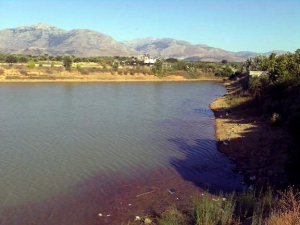
The pond of Livada is located at the homonym position 1km north of the village Thrapsano and is one of the favorite places for locals to walk. The small lake covers only 21.000 sq.m., but is an important wetland, where more than 130 species of birds have been met.

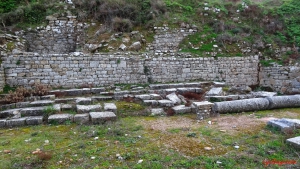
Ancient Lyktos or Littos is located near the settlement of Xidas. The city was one of the strongest of ancient Crete, an eternal enemy of Knossos and owned the port of Hersonissos. It is reported by all the major ancient historians.

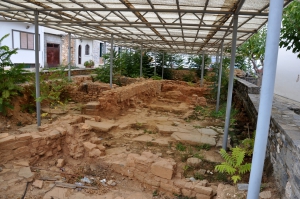
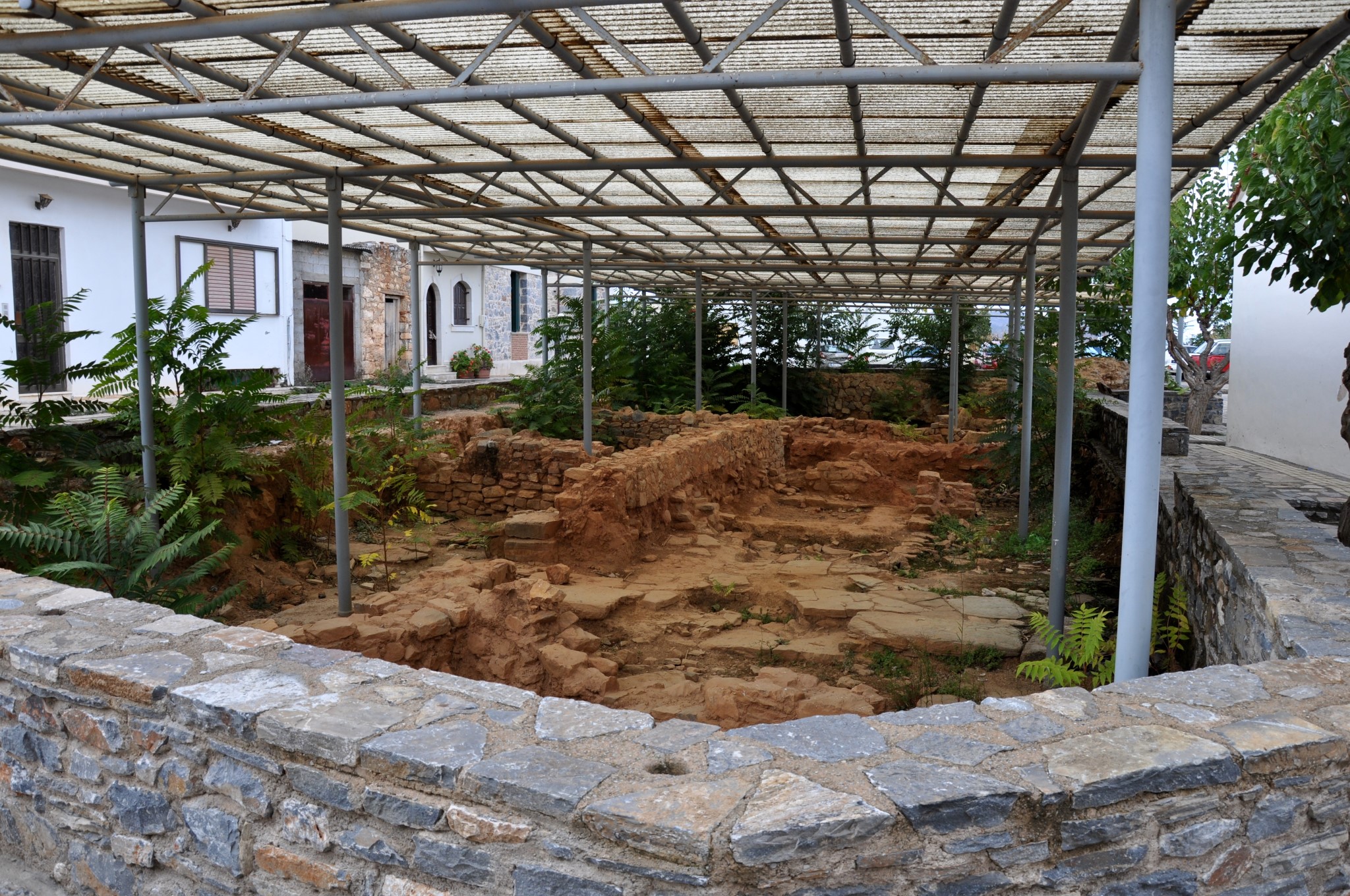
At Kastelli Pediada we meet traces of a settlement that flourished in the Minoan Era and was built since the Neolithic Period. The settlement had developed around a central two-story building of large dimensions, the architectural remains of which are visible today in the square of St. George.

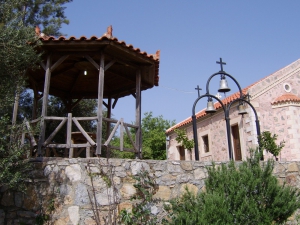
The monastery of Kallergis or Kaleris is located southeast of Smari village, about 35km east of Heraklion and 4km north of Kastelli. It is built in a wooded area with many hills and mountainous morphology.

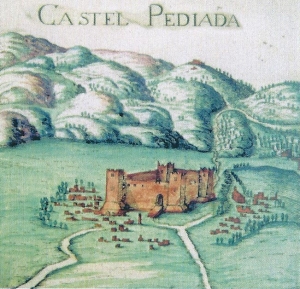
The fort Castel Pediada was not built on a hill, but in the valley of the current town of Kastelli Pediados. It was mainly an administrative building, since it was housed several administrative and military authorities.

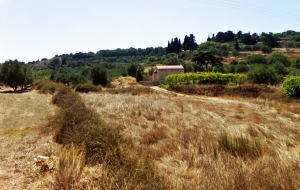
This part of the E4 is one of the easiest you can find in Crete as it is entirely through paved and dirt roads (in fair condition). As it is quite long, you can explore it by car, but we suggest thinking of cycling. The route offers good views to the olive groves of Pediada province.

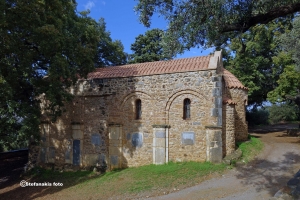
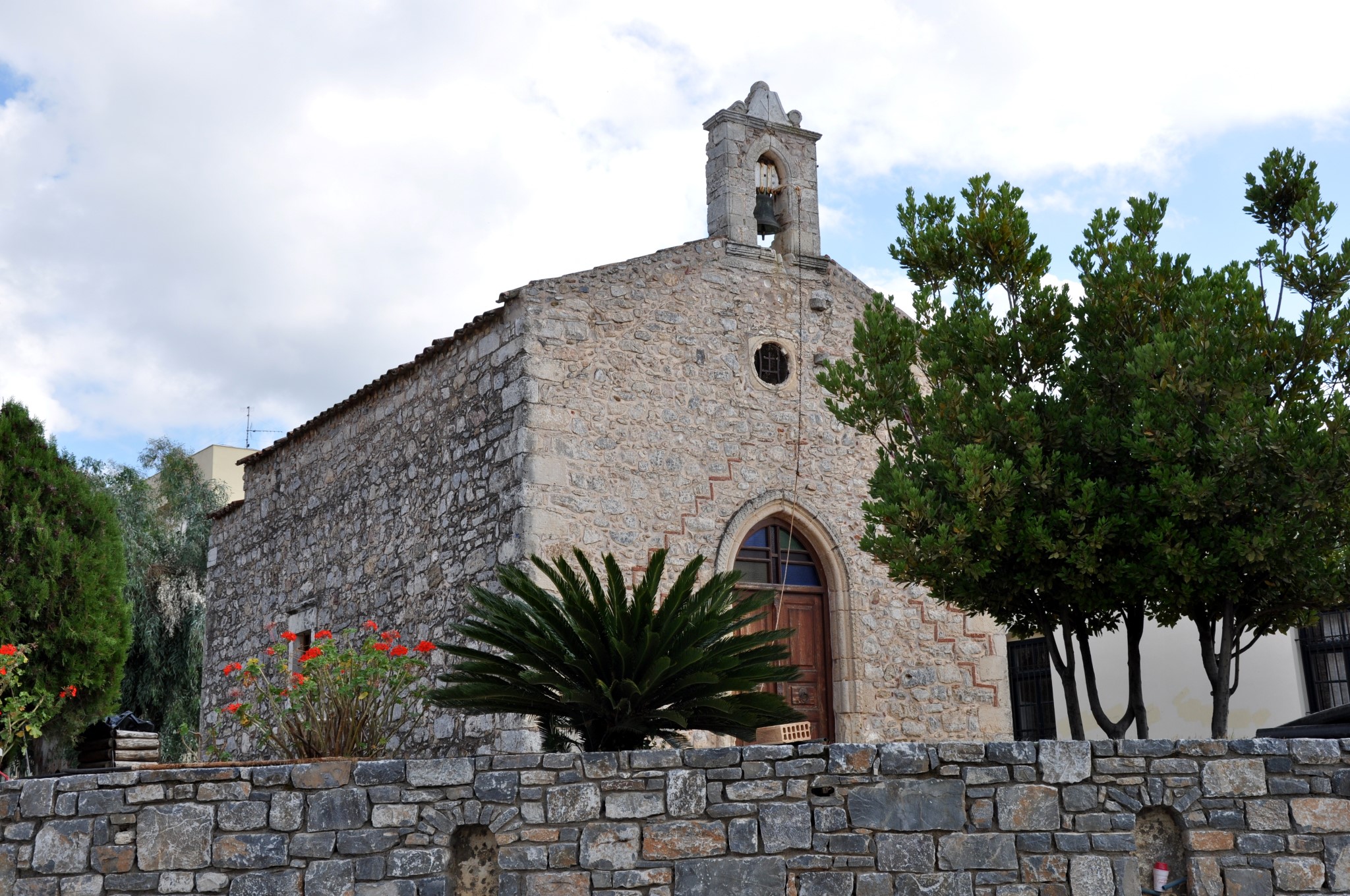
Agios Panteleimonas is a Byzantine church that must be one of the oldest in Crete. It is about 3 Km away from Kasteli. On the outer walls of the church, there are marble crosses and inscriptions that must belong to an older Roman or Byzantine building.
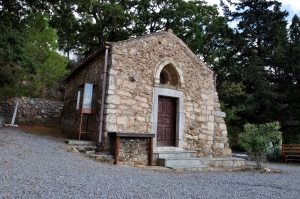
Near Diavaide there is the church of St. George Sfakiotis, bearing frescoes of the 14th century (there is an inscription of 1390). One of the frescoes represents St. George and St. Demetrius on horseback crossing the sea with octopuses, crabs, eels, and lobsters below their legs.
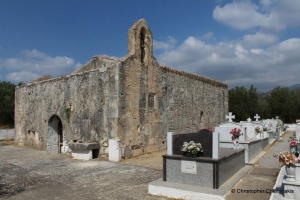
Half a kilometer away from the small hamlet Liliano, very close to the airport of Kastelli, lies another treasure of the Cretan hinterland. This is the cemeterial church of Agios Ioannis Rigologos celebrating on August 29.
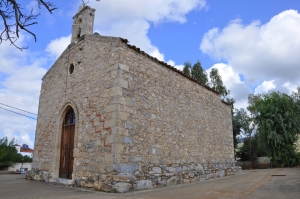
At the village Kastelli, province Pediada, we meet the very old church of Christ. The temple bears Venetian frescoes of great artistic value.
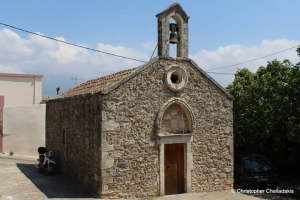
On November 3rd, every year, Cretans celebrate St. George Methystis (i.e. St George that makes people drunk). On that day they first open the barrels and taste the new wine made of the grapes that were collected two months ago. Normally Saint George is celebrated on April 23 every year, but because he was always put in a special place in the hearts of the Greeks they gave him the advantage to be honored twice a year.
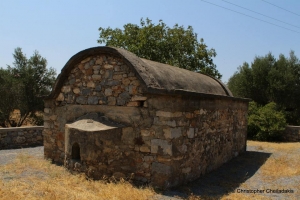
At the northern end of the plain of Kastelli, between the villages Sklaverohori and Agii Apostoli (Pediada district), we meet Panagia Kera. Access is very easy because it's on the main road. The informative signs tell us that the church dates from the 14th century. This is another single-aisled church, built during the Venetian occupation of Crete, a time when the island was decorated with resplendent temples, most of which carried rich wall paintings.

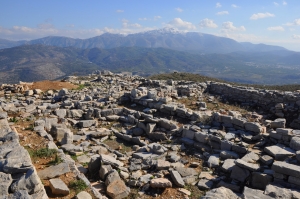
At the top of the rocky hill of the Prophet Elijah (Profitis Ilias) near Smari, at an altitude of 590m, there are the ruins of a citadel with a strong defensive wall. The place has panoramic views across the fertile planes of Kasteli and Smari. According to the archaeologist Hadjivallianou, the citadel was the actual site of ancient Lyttos mentioned by Homer. The city was inhabited from 1800 BC till 630 BC, before being abandoned by its inhabitants.
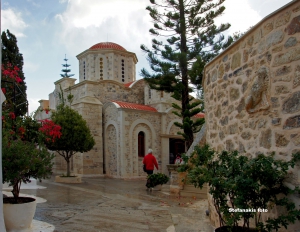
The fortified monastery of Agarathos is located 23km east of Heraklion in a wooded location at an altitude of 538m near Episkopi. The monastery, especially during the Venetian Era, was one of the richest in Crete owning several other monasteries in Heraklion and Lassithi prefectures. It is considered the first in the hierarchy of the monasteries of the island.
Also read:
- Home
 Beaches
 Nature
 Past
Past Destinations
 Highlights
 West Crete
- Central Crete
- East Crete
- Towns
- Chania Prefecture
- Chania
- Paleochora
- Kissamos
- Georgioupolis
- Chora Sfakion
- Loutro
- Rethymnon Prefecture
- Rethymnon
- Agia Galini
- Plakias
- Spili
- Anogia
- Heraklion Prefecture
- Heraklion
- Hersonissos
- Malia
- Matala
- Agia Pelagia`
- Archanes
- Kokkinos Pirgos
- Lassithi Prefecture
- Agios Nikolaos
- Elounda
- Sitia
- Ierapetra
- Makrigialos
- Palekastro
- Zakros
- Lassithi Plateau
- Get Prepared


