







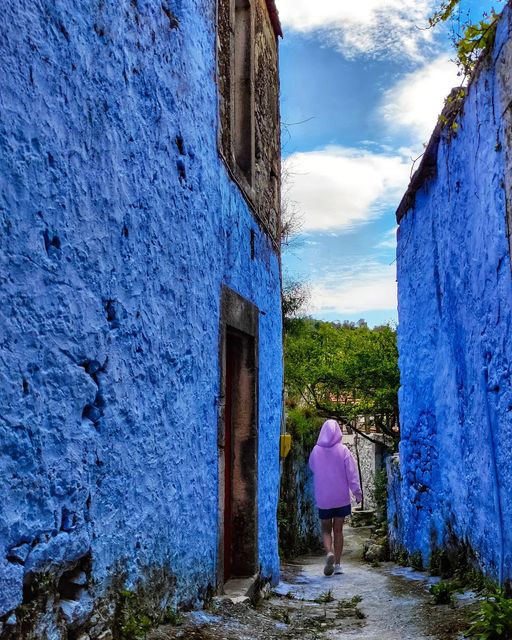
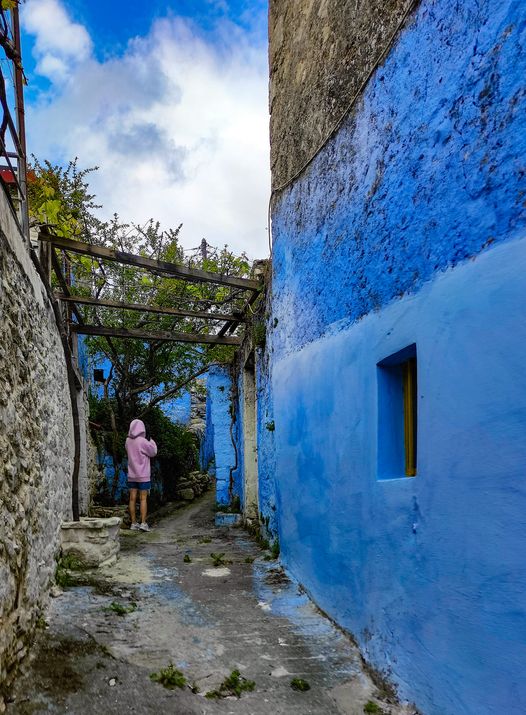
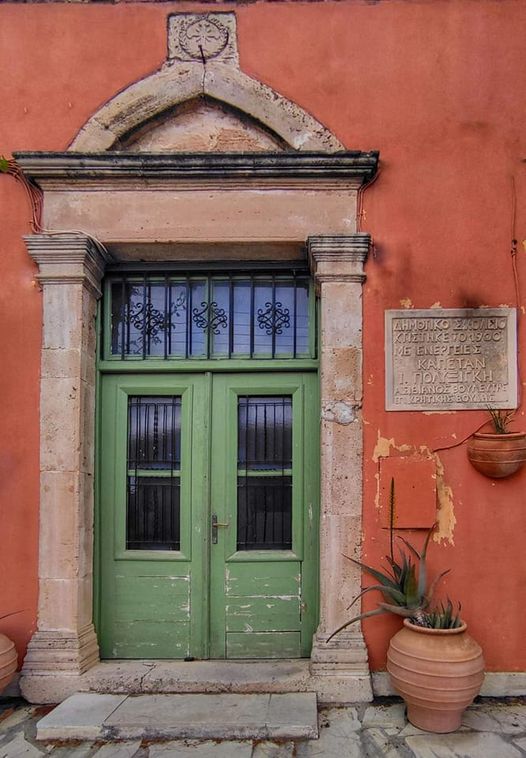
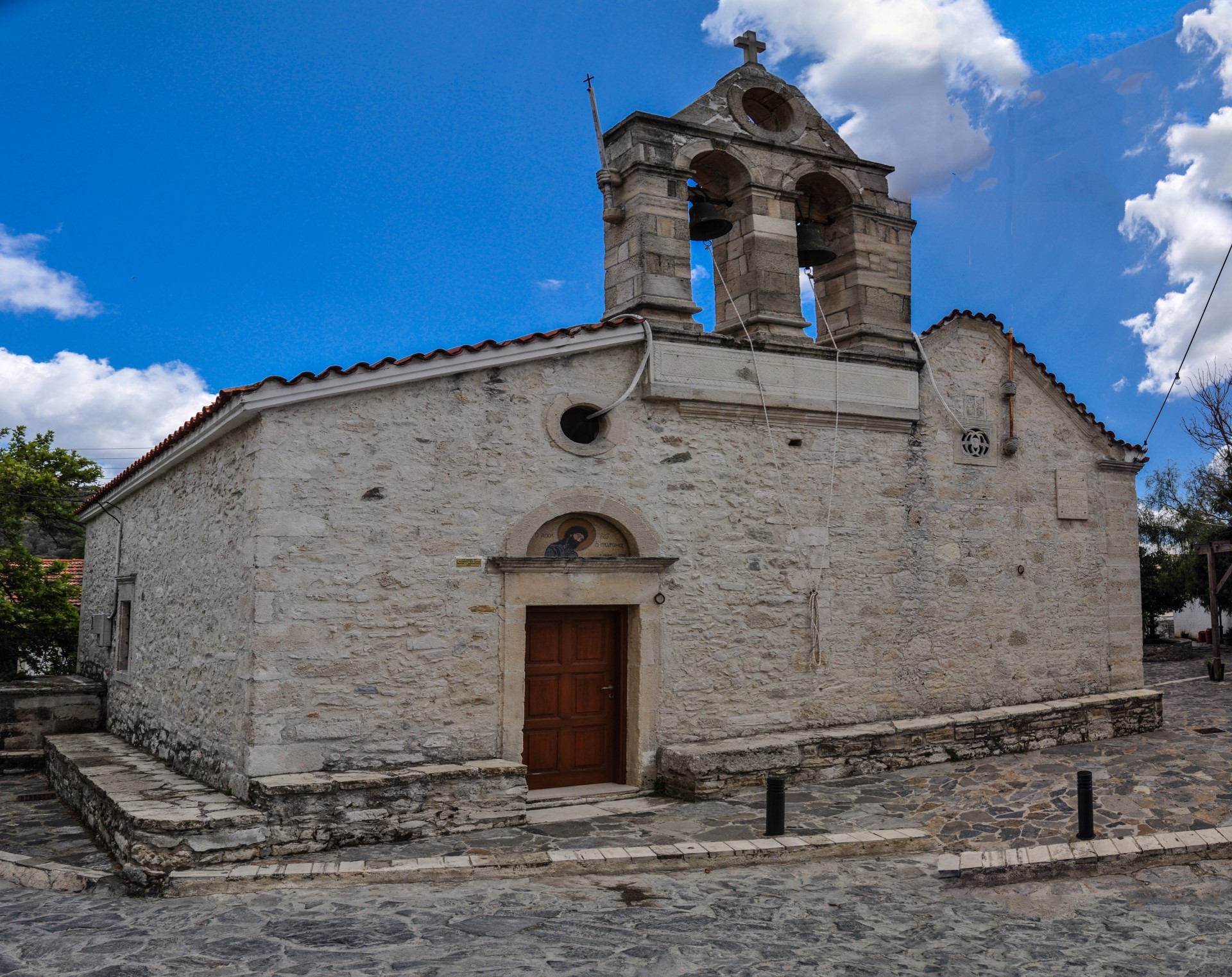
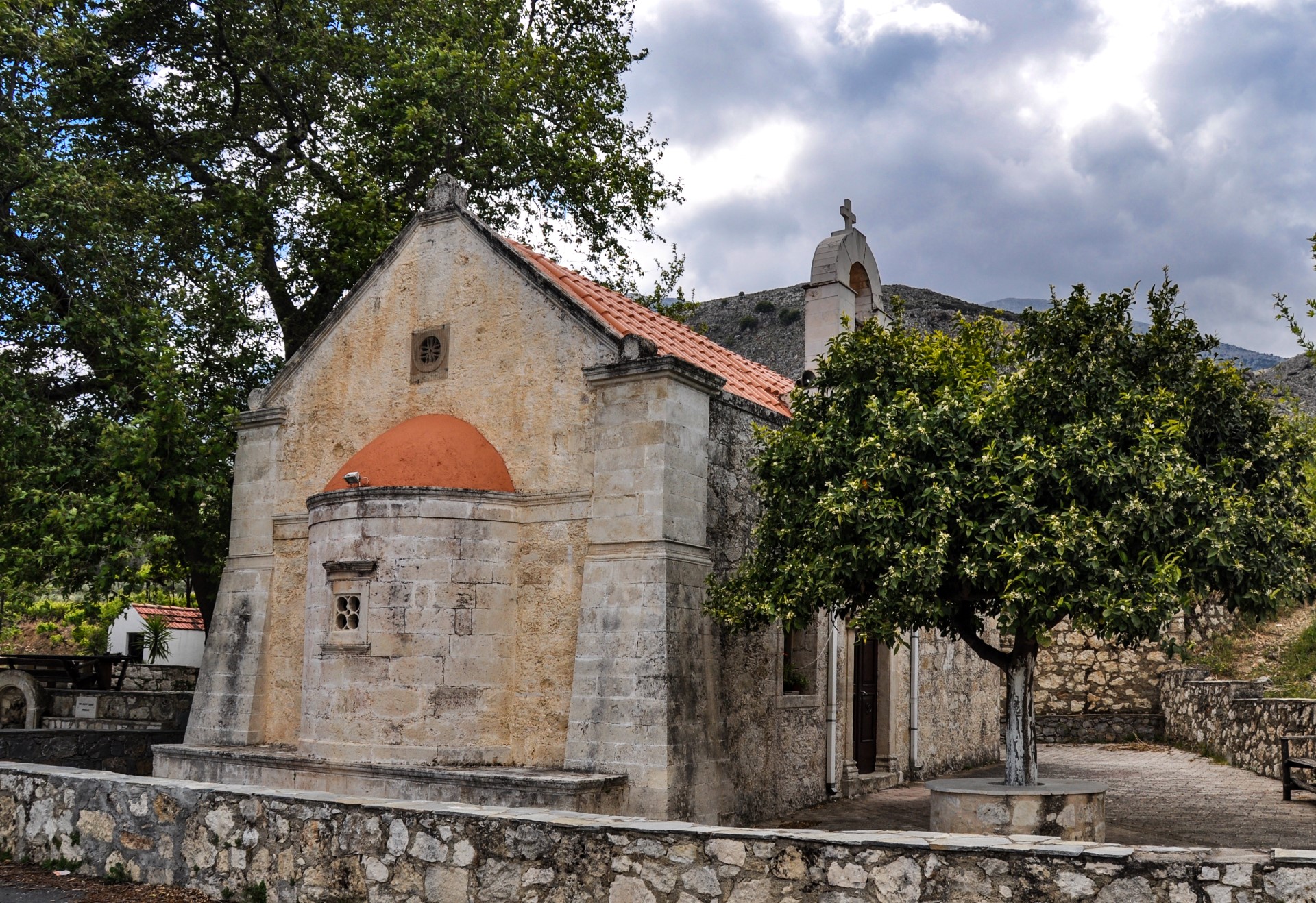
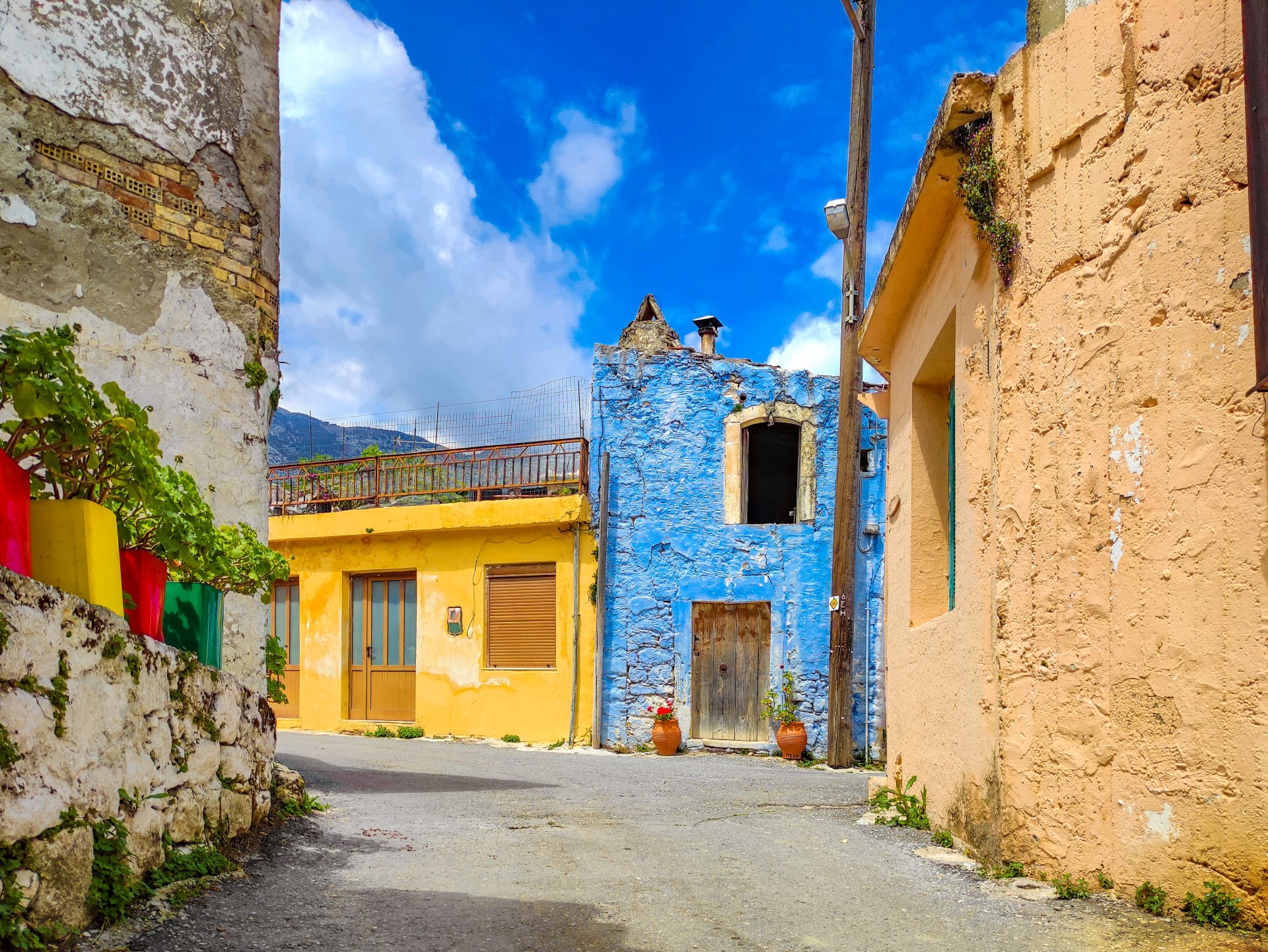
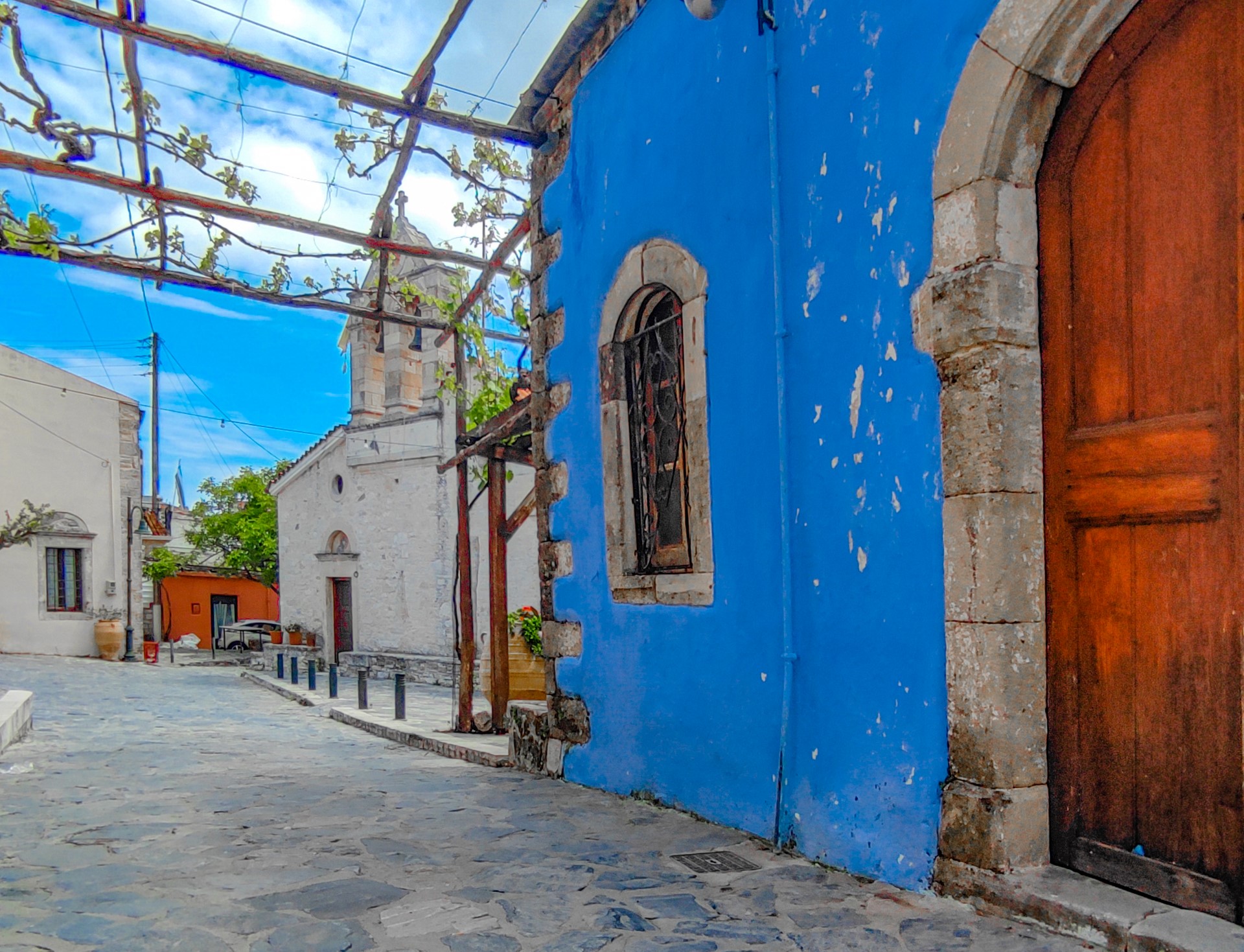
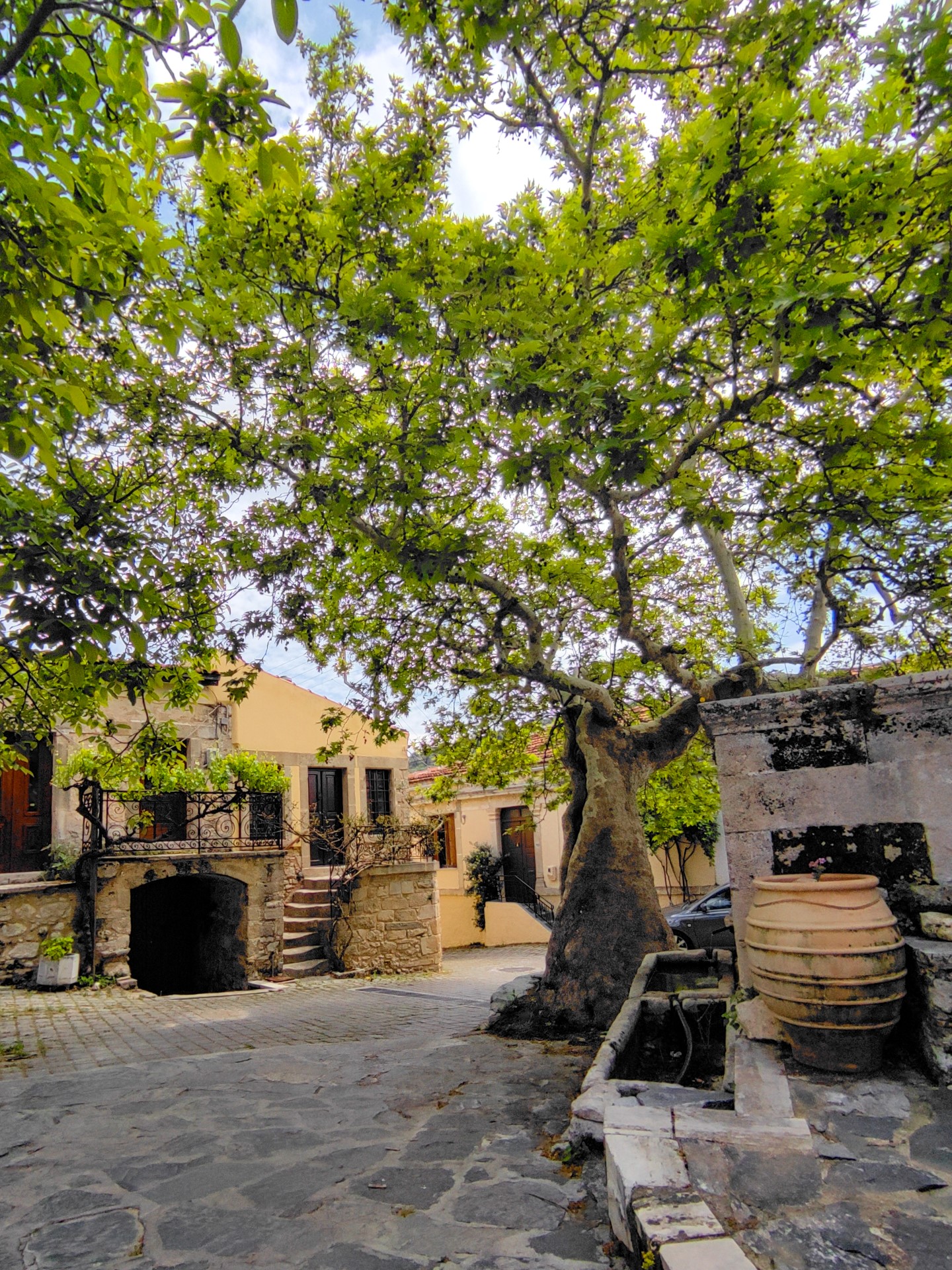

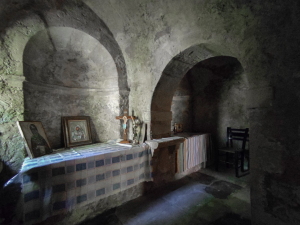
The cavernous church of St. Anthony (Agios Antonios), maybe a former monastery, is located above the starting point of the gorge of Kato Asites, at a beautiful green location with plane trees and springs.

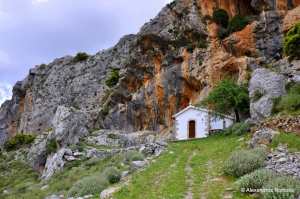
The gorge of Saint Charalambos is a small, but beautiful canyon located south of village Ano Asites. It takes its name after the church of Saint Charalambos located at its beginning. Till the middle of spring, the gorge has water, forcing hikers to traverse (to hike along its walls).

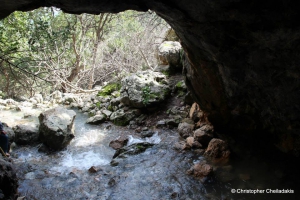
Cave Sarhos, Honos or Nychteridospilios is located west of the village Sarhos, at an altitude of 276m. It is one of the largest and most important caves of Crete, which is particularly loved by cavers because of its complexity and large length. The total paths in the cave exceed the length of 1500m, while the depth of the cavern reaches 230m.

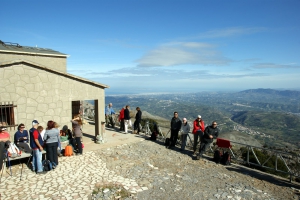
The shelter Prinos is located at an altitude of 1100m at the eastern slopes of Psiloritis Mount. It can be accessed either by hiking 2:00 hours Ano Assites or driving from there. From here one can hike to the nearby peaks of Koudouni, Gyristi, Rouvas forest (4 hours) and Nida Plateau (7 hours). The shelter has been operating since 1967 and can accommodate 30 people.

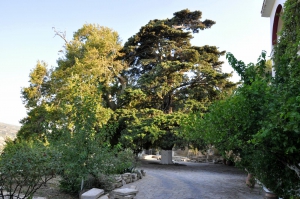
The monastery of Gorgolaini hosts two ancient trees that have been declared a nature monuments by the Greek state: a cypress and a plane tree. Both are located at the end of the garden, one next to the other.

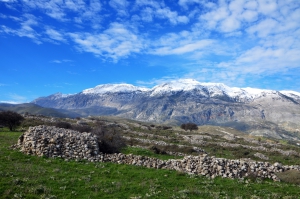
Over the hill Patella by Prinias village lies the picturesque chapel of Agios Panteleimon with amazing views towards all directions. It is the site of the Minoan town of Rizinia or Apollonia, which prospered till the Roman period.

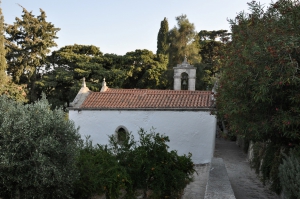
The monastery of Saint George Gorgolainis is located at an altitude of 480m, next to the village Asites, 24km south of Heraklion. It is built at a lush green area with huge platan, cypress and oak trees. Indeed, one platan and one cypress tree inside the complex have been declared as protected natural monuments by law.

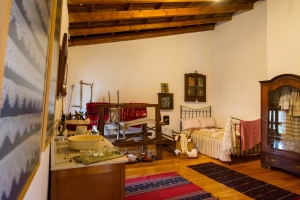
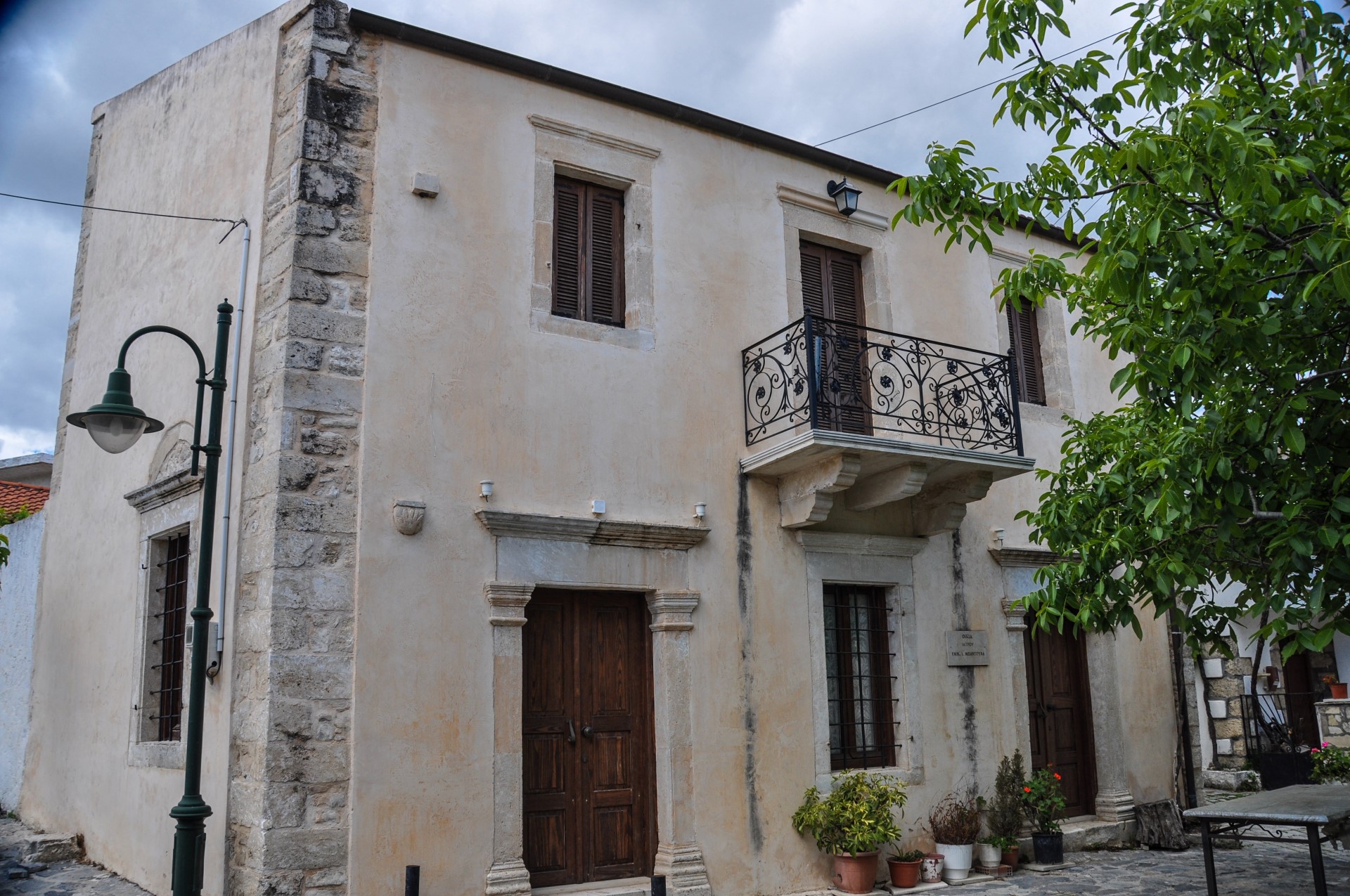
The Folklore Museum of Ano Asites operates since 1995 in a traditional building of 1880. It represents a traditional Cretan house, where the ground floor houses the warehouse and the kitchen, and the floor houses the bedroom and the living room.
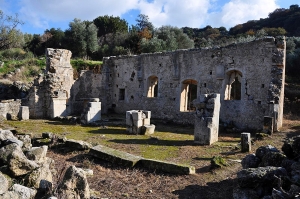
The ruined monastery of St. Anthony at location Petali was one of the finest religious monuments that patiently awaits its restoration. Here we discern the destroyed two-aisled church that was dedicated to the Virgin Mary and St. Anthony. The south wall, the only one still standing belongs to the nave of St. Anthony.

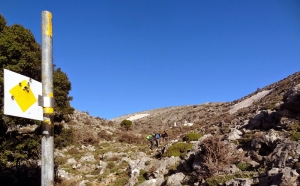
This part of the E4 trail connects the core of Rouvas Wood to the east outskirts of Psiloritis mount and gives its position to the next trail crossing the fertile valleys of Heraklion prefecture. It is quite tiring, as it ascends from altitude 950m to 1779m and then descends to 490m. The route offers a great experience of the oak wooded forest of Rouvas, the bare peaks of East Priloritis and, if you are lucky, a nice stay in the shelter of Prinos.
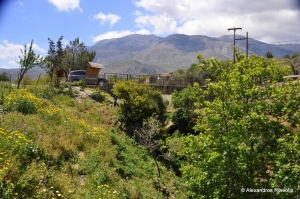
This part of the E4 trail is quite easy and offers some nice views to the fertile valleys and vineyards of Heraklion prefecture. The route starts from Ano Asites and firstly meets the cavernous church of Saint Anthony and finishes at Prifitis Ilias. Note that there are long parts along roads, thus you could split the route into smaller parts and overcome some with a car or bike.
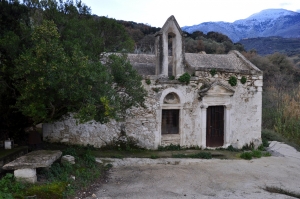
By Sarchos we meet one of the most impressive churches of Cretan innerland with a beautiful relief entrance and rear window, which is dedicated to the Birth of the Virgin Mary. The church dates back to the 14th century and is double-aisled, bearing very important frescoes.
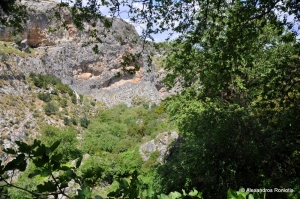
West of the village Ano Asites the river that initially is the gorge of Saint Haralabos and then crosses the village soon turns into a deep and spectacular gorge, the gorge of St. Anthony.
Also read:
- Home
 Beaches
 Nature
 Past
Past Destinations
 Highlights
 West Crete
- Central Crete
- East Crete
- Towns
- Chania Prefecture
- Chania
- Paleochora
- Kissamos
- Georgioupolis
- Chora Sfakion
- Loutro
- Rethymnon Prefecture
- Rethymnon
- Agia Galini
- Plakias
- Spili
- Anogia
- Heraklion Prefecture
- Heraklion
- Hersonissos
- Malia
- Matala
- Agia Pelagia`
- Archanes
- Kokkinos Pirgos
- Lassithi Prefecture
- Agios Nikolaos
- Elounda
- Sitia
- Ierapetra
- Makrigialos
- Palekastro
- Zakros
- Lassithi Plateau
- Get Prepared


