






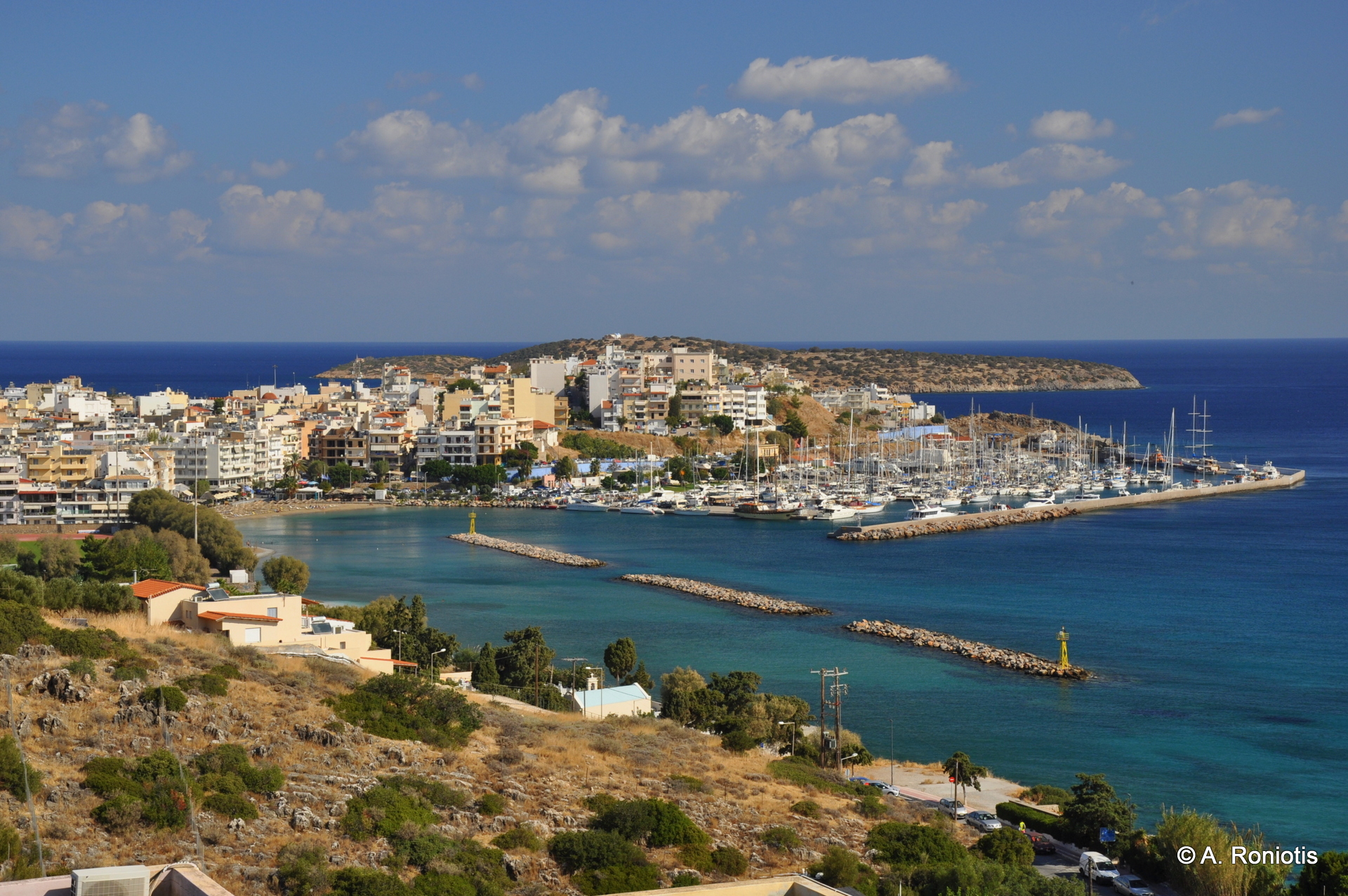
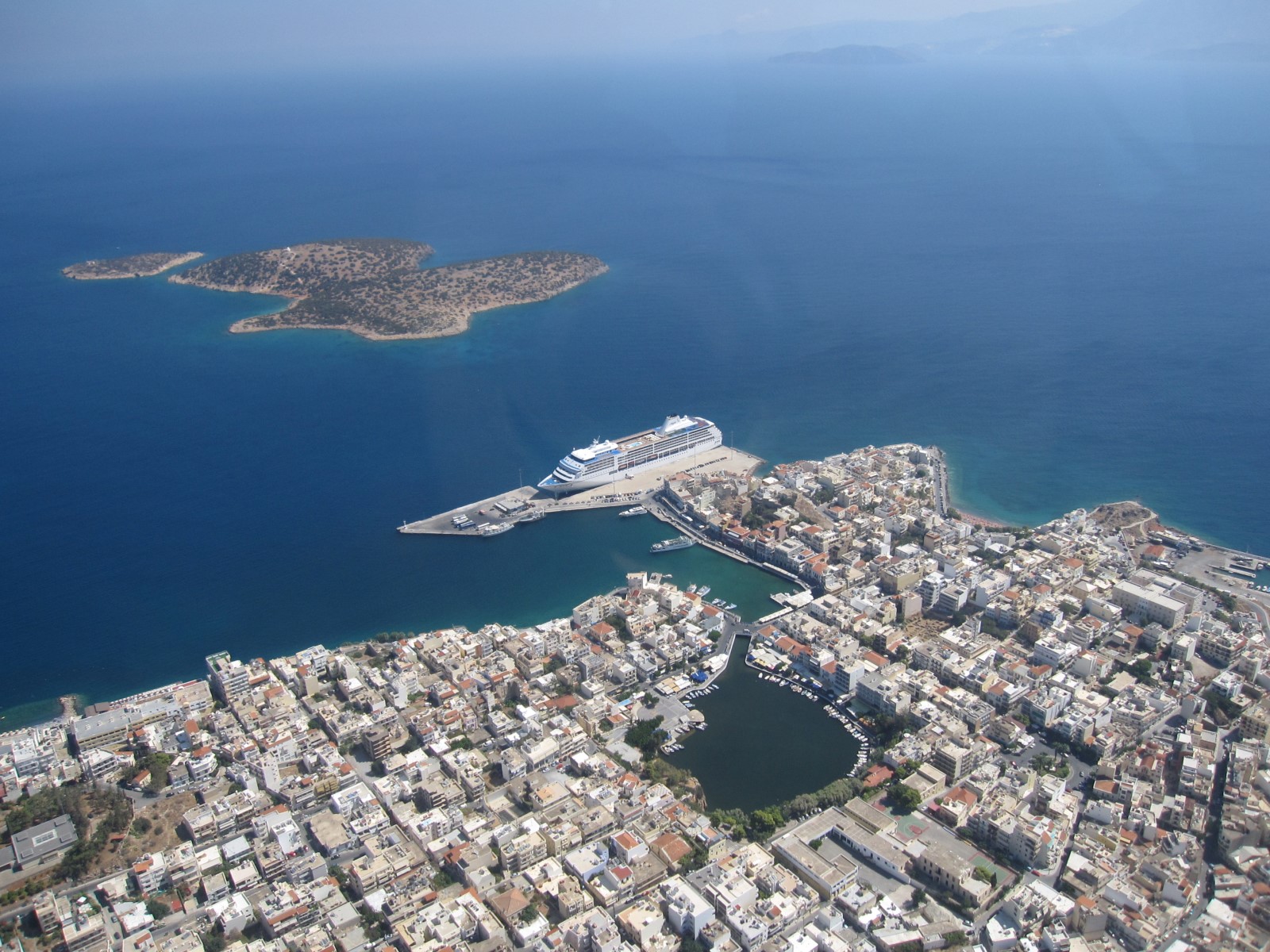
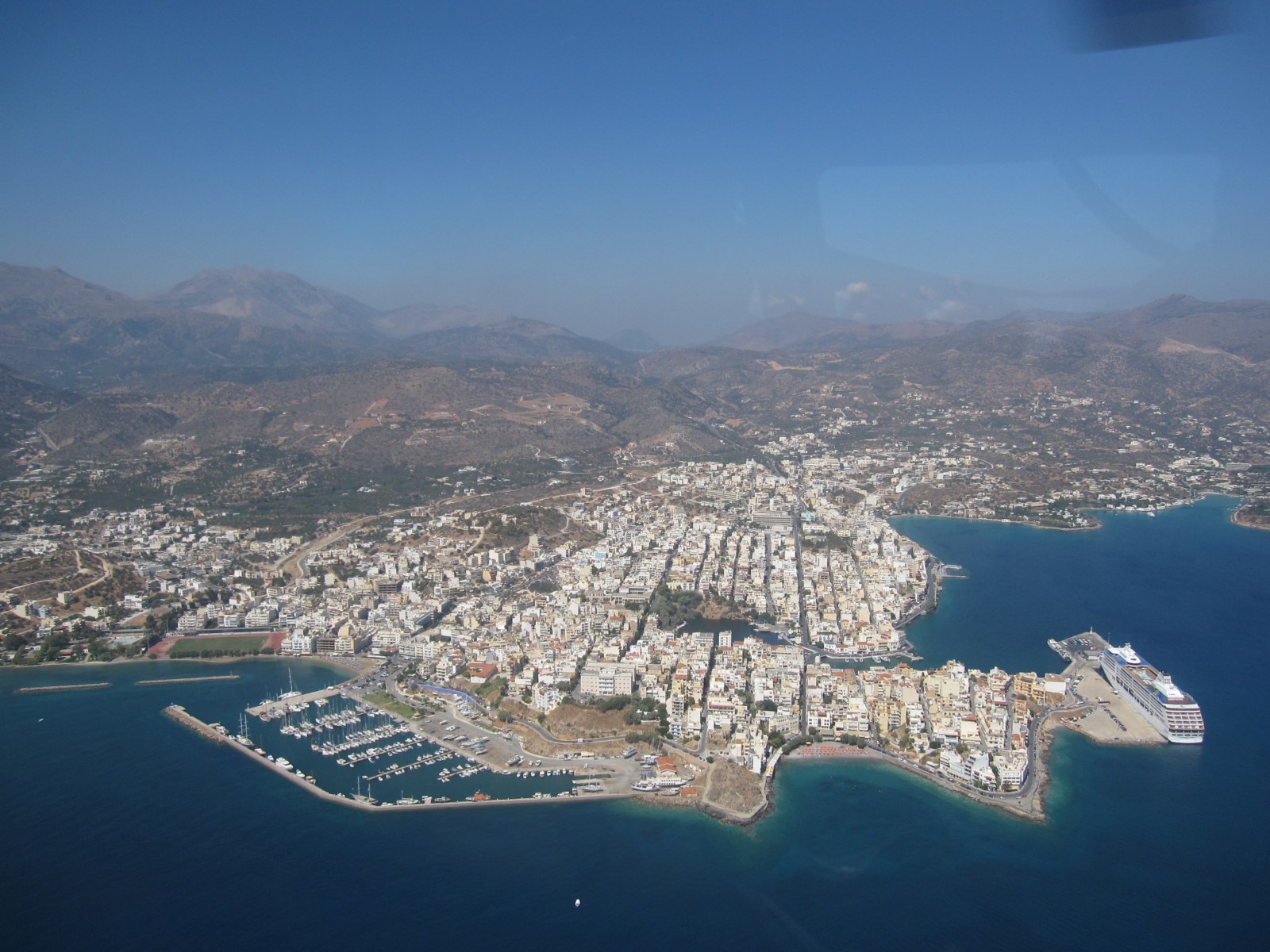
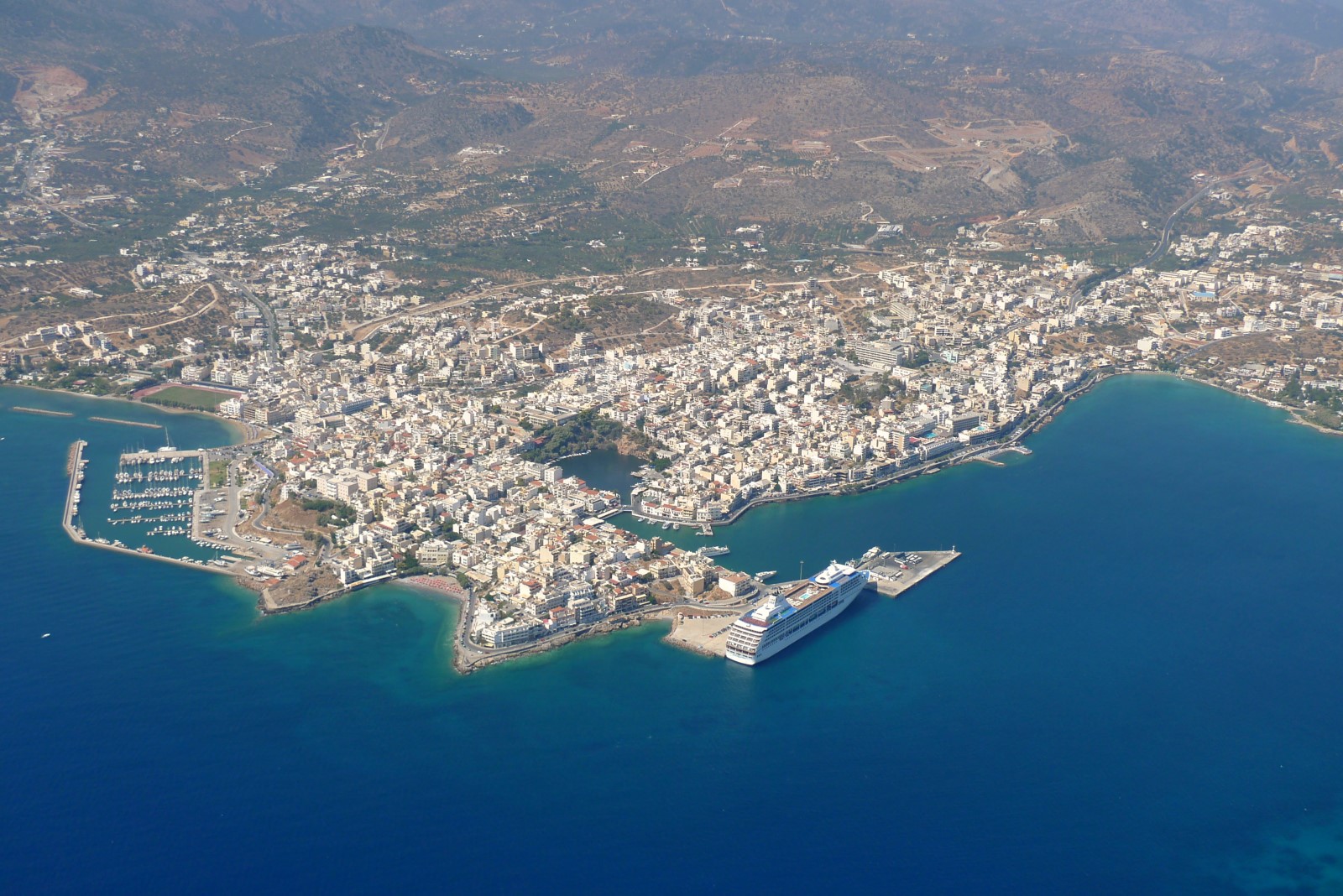

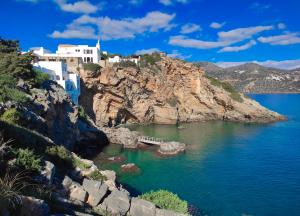
In the area Ormos of the town of Agios Nikolaos and in a steep area facing the islets of Agioi Pantes and Psira, we meet the historical villa of director Nikos Koundouros (1926 - 2017).
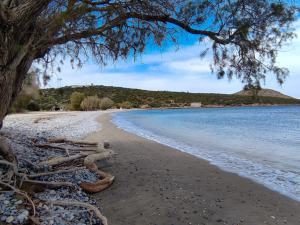
Karavostasi beach is the westernmost of the beaches of the village Kalo Chorio at province Mirabelo, approximately 12 kilometers southeast of Agios Nikolaos and 22 kilometers north of Ierapetra.
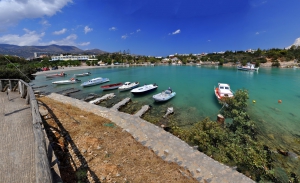
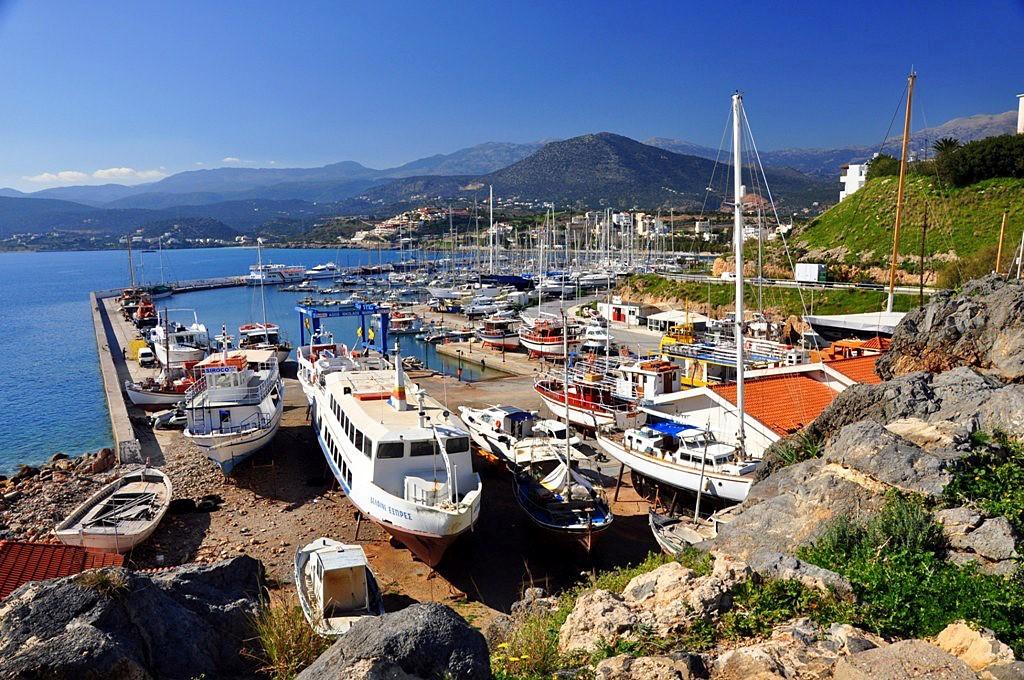
After leaving the sheltered beach of Amoudi behind you and taking the road leading to Elounda, you will soon meet one bay 1km north of the center of Agios Nikolaos, next to Hotel Minos Palace. It is a small pebbly and sandy cove, called Katholiko shaped in a very well protected narrow bay, which is mainly used as a harbor for boats (and thus is not organized).
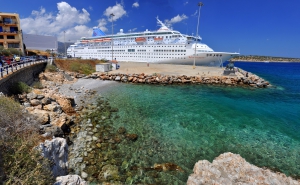
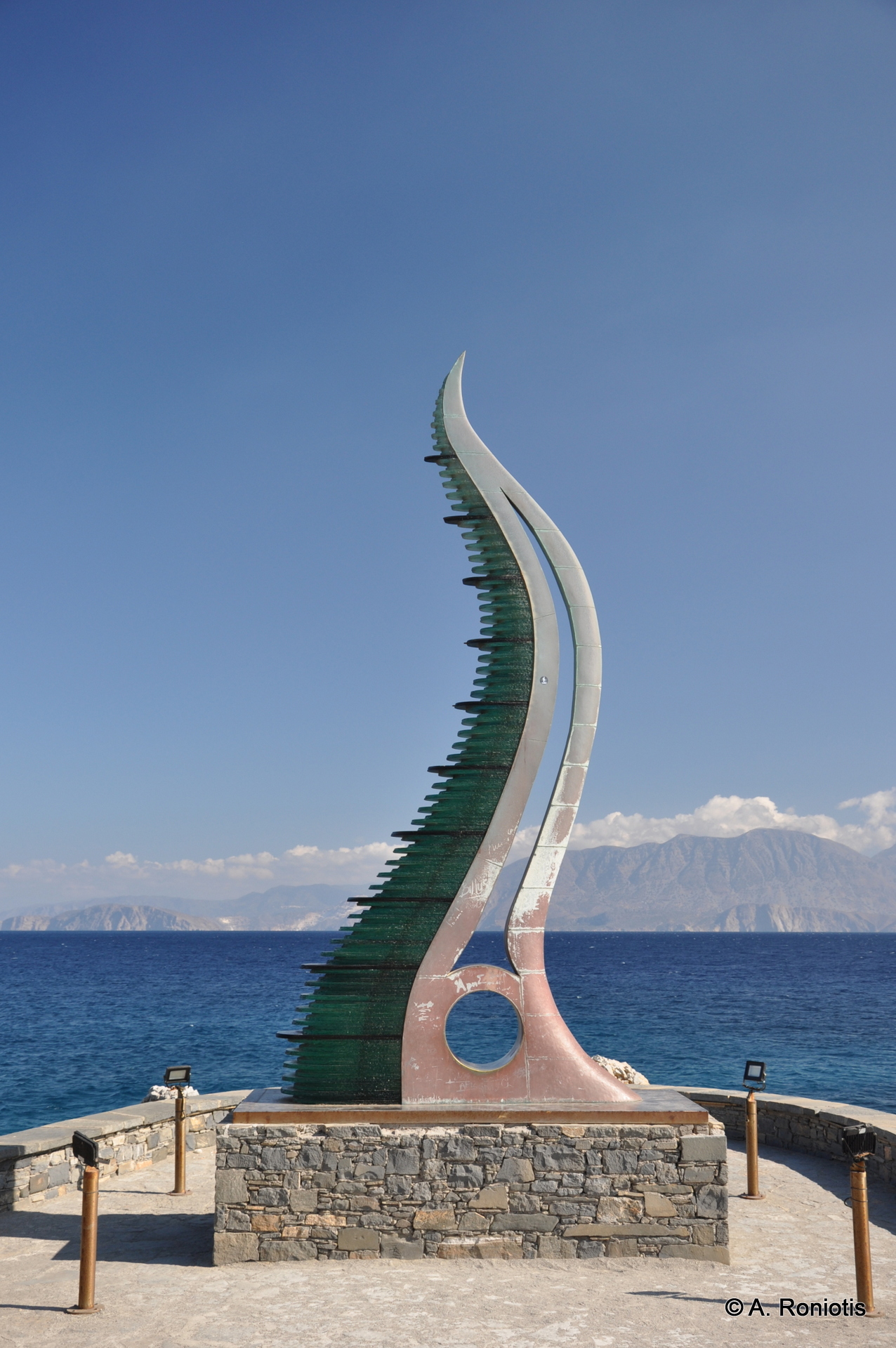
Next to the port of Agios Nikolaos you’ll find the tiny pebble beach of Akti Themistokleous street, next to the sculpture of Nikos Koundouros named "The Rape of Europe".

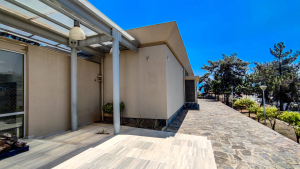
The Archaeological Museum of Agios Nikolaos was founded in 1970 and houses findings from the Neolithic Age, the Minoan Era and the Graeco-Roman Times from the Lassithi prefecture.

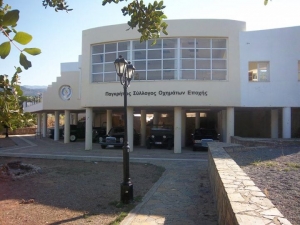
At village Exo Lakonia since 2005 operates an excellent exhibition with over 110 classic vehicles of special interest from all over Crete. The Pancretan Association of Classical Vehicles also houses a permanent exhibition of old photographs with cars and motorcycles from the wider region of Agios Nikolaos.

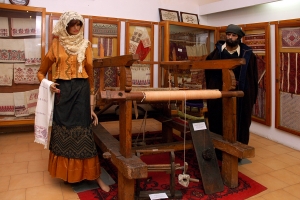
The Folklore Museum of Agios Nikolaos was founded in 1978 and is housed in the Old Port Service by Lake Voulismeni. Most of the exhibited objects were donated by the Touring Club of Agios Nikolaos.

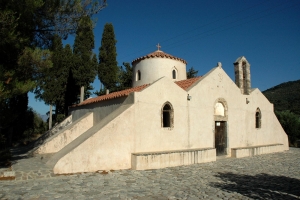
One of the most popular Byzantine monuments in Crete (13th- 14th A.D.) is located in Logari, one kilometre east of Kritsa. This triple-nave Byzantine church is dedicated to the Assumption of the Virgin Mary, to Saint Anthony and Saint Anna. It is adorned with superb wall paintings on particular themes like the representation of Saint Anna, other icons of the saints, and the fourteen scenes depicting the secret life of the Virgin Mary.
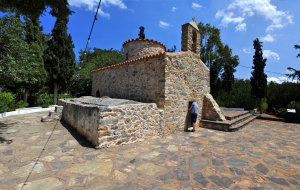
The Early Byzantine Chapel of St. Nicholas, the patron saint of the Greek sailors, has given its name to the entire city (Agios Nikolaos means Saint Nicholas in Greek). The chapel was built on the edge of Cape Nissi by Katholiko beach, after the seventh century and is one of the oldest ones in Crete.
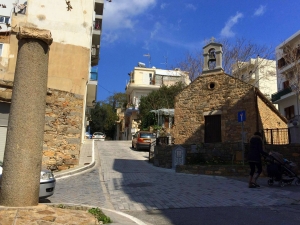
The church of the Virgin ‘Panagia Vrefotrofos’ (the protector of infants) is located in the center of the city of Agios Nikolaos, near the sea. It's construction dates back from the 12th century and it bears frescoes of the 14th century.
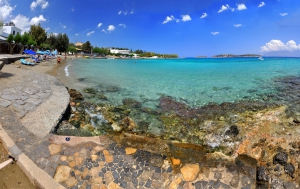
Ammoudi is located just 1km north of Agios Nikolaos city centre, in a large and well protected bay. It is a small sandy beach with shallow waters, which is preferred both by locals and visitors. It is hidden among large tamarisk trees and picturesque buildings, offering many options for accommodation and eating around. The beach has also water sport facilities.
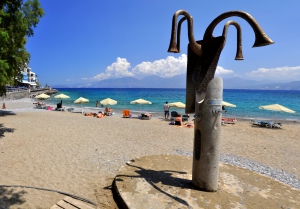
In front of the big tamarisk trees of the square Kitroplatia there is a small beach with sand and pebbles in places. Here you will find umbrellas and showers. Next to it there are many options for accommodation, food and drink. It is a perfect choice for children and anyone looking for a beautiful and clean beach, close to all amenities of a city.
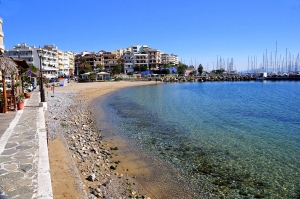
Ammos Beach is located 500m south of the center of Agios Nikolaos. It is a long beach which starts near the city's marina, at Nearchos Street. It runs near the stadium of the town and extends to the south, to the Municipal Beach. The part near the marina is a beautiful beach with umbrellas, sunbeds, showers, water sports, restaurants, and hotels around it. It is located near the city center and its stores. The water is shallow, ideal for little kids and the sea is usually flat.
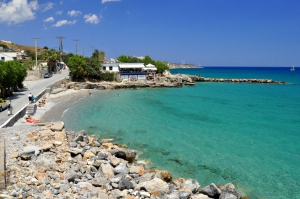
The first beach you come across, next to the tavern Gargadoros is the main beach of the area. It is pebbly and well organized, a really good choice for those staying in Agios Nikolaos and wanting to escape from the ordinary things. From the main beach, if you walk till the small pier on the north, you will find the second beach from the other side (of the pier).
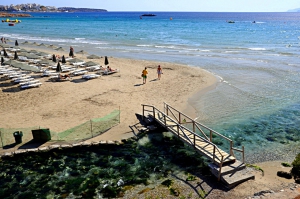
Almiros Beach is located 2.5km south of Agios Nikolaos and is the most popular beach in the city. It is shaped near the exit of the Almiros River, which empties on the south part of the beach. Next to the beach, the protected wetland of Almiros hosts several rare birds, towering eucalyptus trees, reeds, and some palm trees.
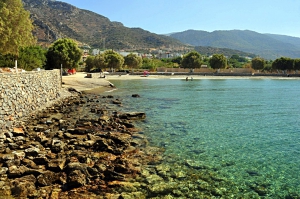
Istro(n) is located 12km east of Agios Nikolaos and 22km north of Ierapetra, very close to Kalo Chorio. It is a quiet village, situated in a lush valley full with olive groves and springs, which has been developed during the last decades. However, the development was fortunately mild, mainly due to the regional building restrictions because of the archaeological discoveries. The main growth driver of Istron is undoubtedly the emerald beaches which are scattered in three adjacent bays.

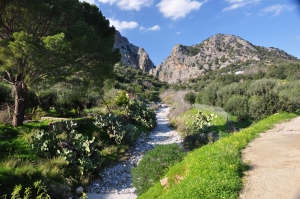
Kritsa Gorge starts near the picturesque village of Kritsa, 9.5km southwest of Agios Nikolaos, and ends at the village Tapes. It’s 4km long, reaching a width of only 1.5m in some places. It is easily accessible with a few points that need attention, where you have to climb over some big rocks (not too hard). The only time you should not visit the gorge is when it has rained previously and there are ponds in the gorge, which block the passages.

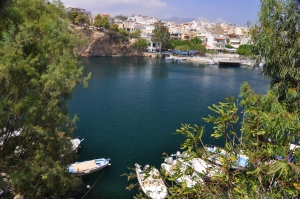
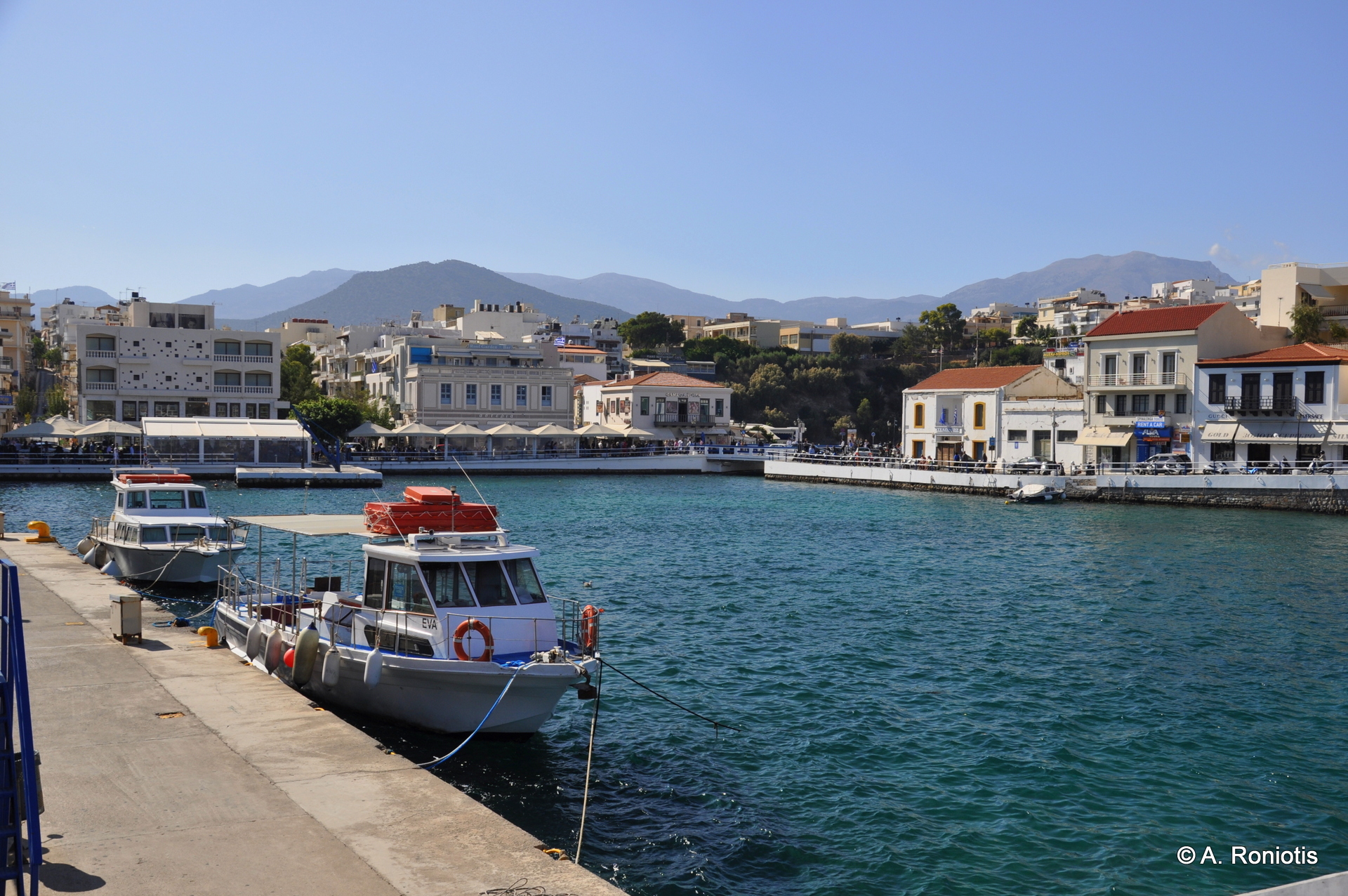
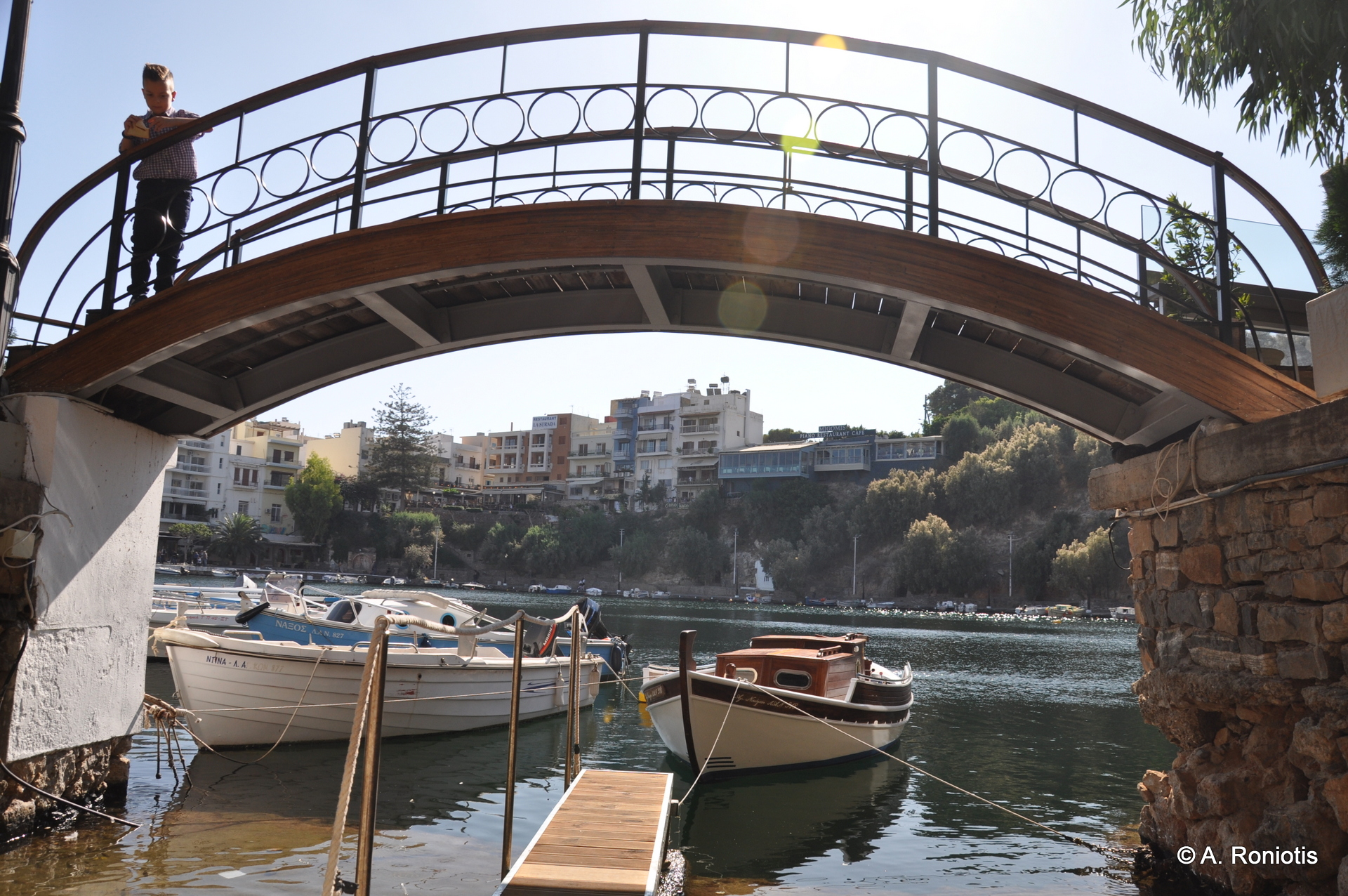
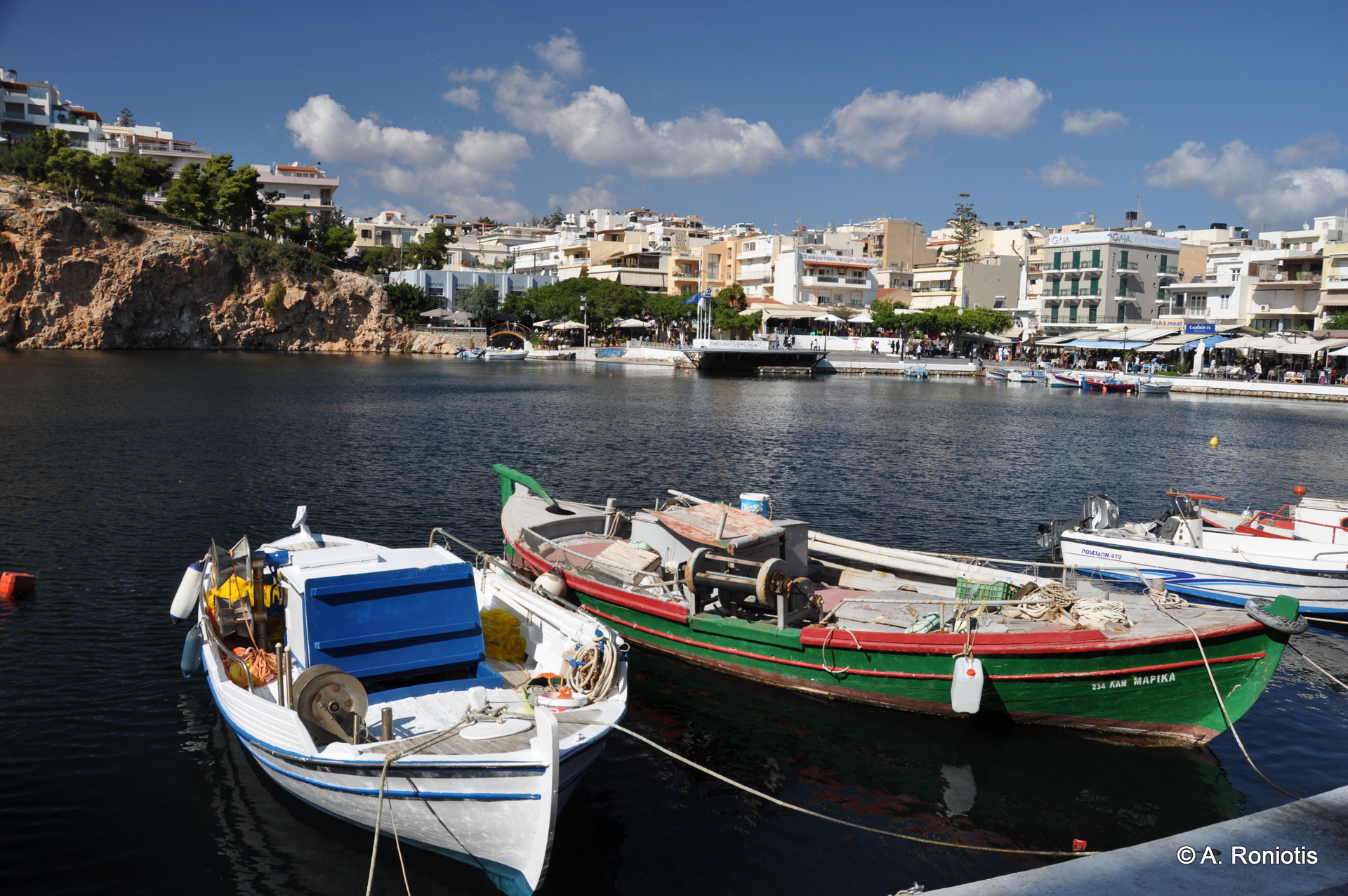
Trademark of St. Nicholas is the picturesque Lake Voulismeni, a small lagoon in the center of the town, used as a small harbor where fishing boats stop. Dozens of legends are associated with it, mainly because of its very deep waters (e.g. that it has no bottom).

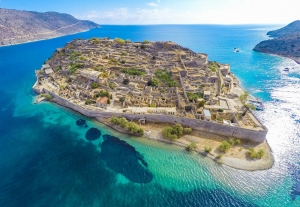
Spinalonga is a small island located at the entrance of Elounda lagoon and north of the Gulf of Mirabello. It has an area of 85 acres and its maximum height is 53 meters. The history of the island still inspires awe. It has been a Venetian fortress, a castle colony, a rebel refuge, a place of exile for lepers, a communication link with Cairo during the Second World War.
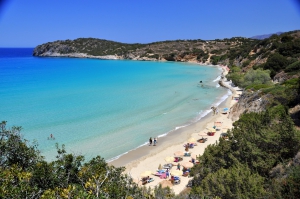
In front of the touristic settlement, there is a nice sandy beach with turquoise waters. The sea surface is mainly flat because the beach has an easterly orientation. while winds in Crete come mainly from the west. The beach is organized with umbrellas, sunbeds, and water sports.
Also read:
- Home
 Beaches
 Nature
 Past
Past Destinations
 Highlights
 West Crete
- Central Crete
- East Crete
- Towns
- Chania Prefecture
- Chania
- Paleochora
- Kissamos
- Georgioupolis
- Chora Sfakion
- Loutro
- Rethymnon Prefecture
- Rethymnon
- Agia Galini
- Plakias
- Spili
- Anogia
- Heraklion Prefecture
- Heraklion
- Hersonissos
- Malia
- Matala
- Agia Pelagia`
- Archanes
- Kokkinos Pirgos
- Lassithi Prefecture
- Agios Nikolaos
- Elounda
- Sitia
- Ierapetra
- Makrigialos
- Palekastro
- Zakros
- Lassithi Plateau
- Get Prepared


