The serene town of

Sitia

Sitia town

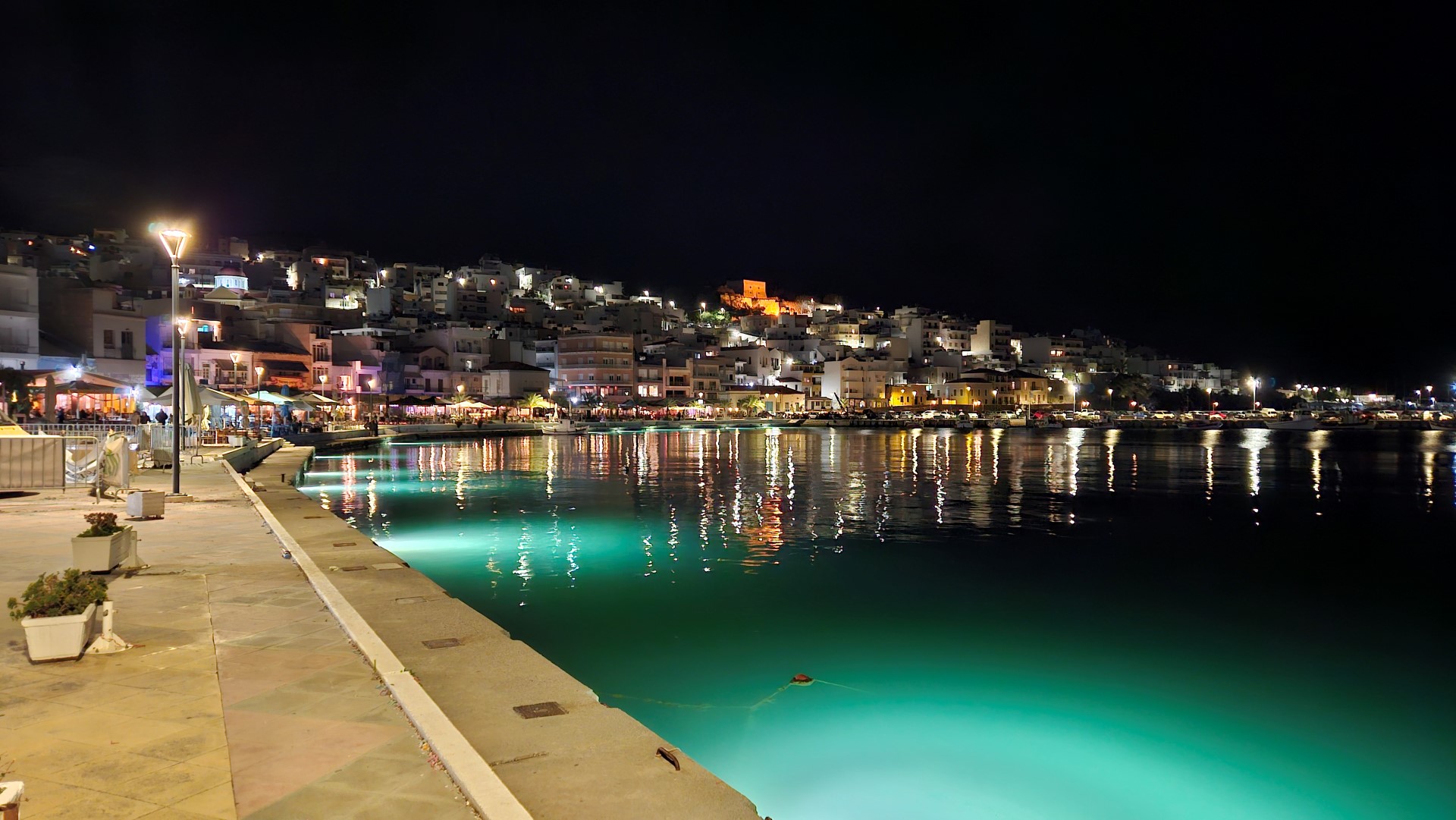
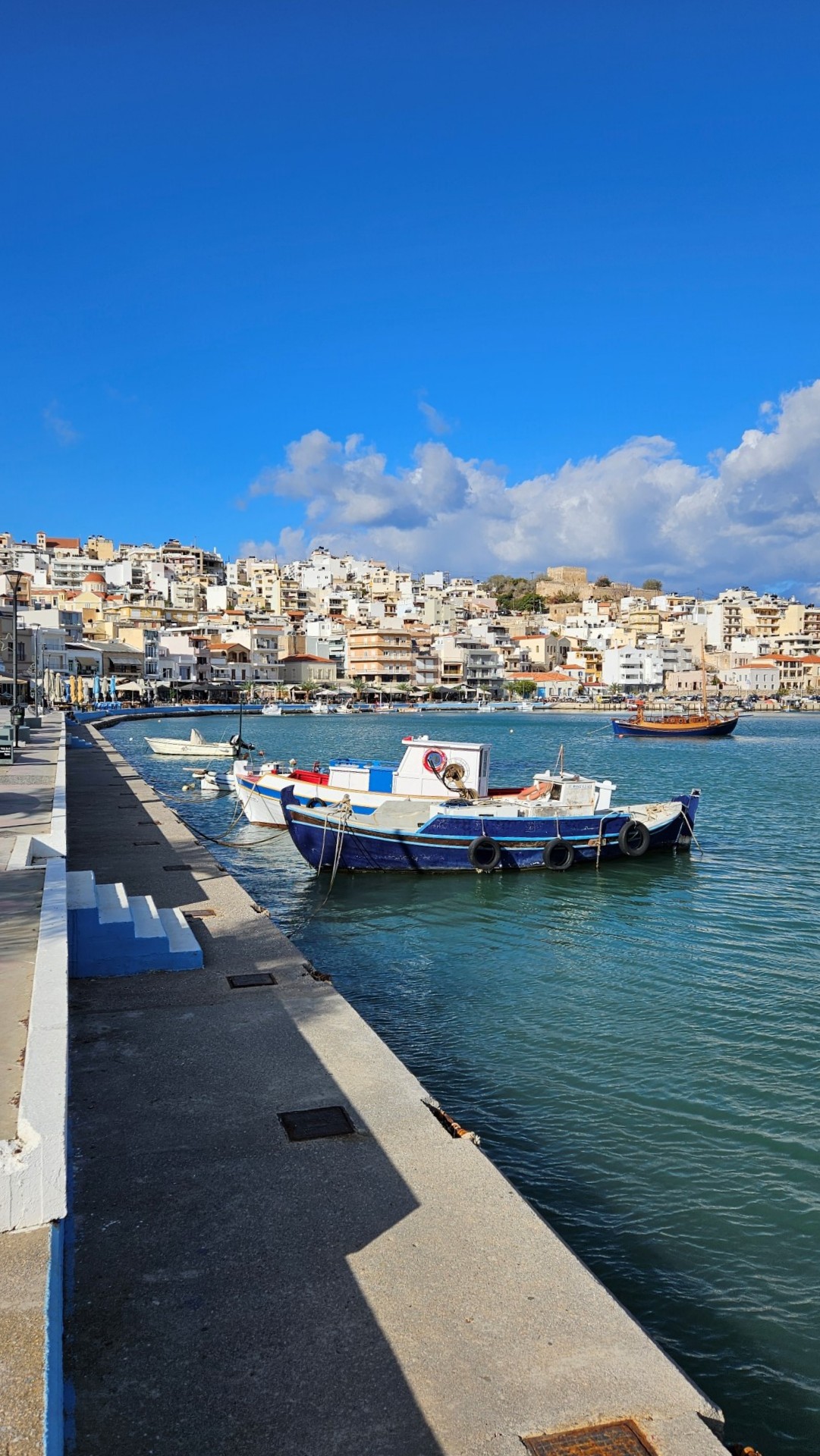
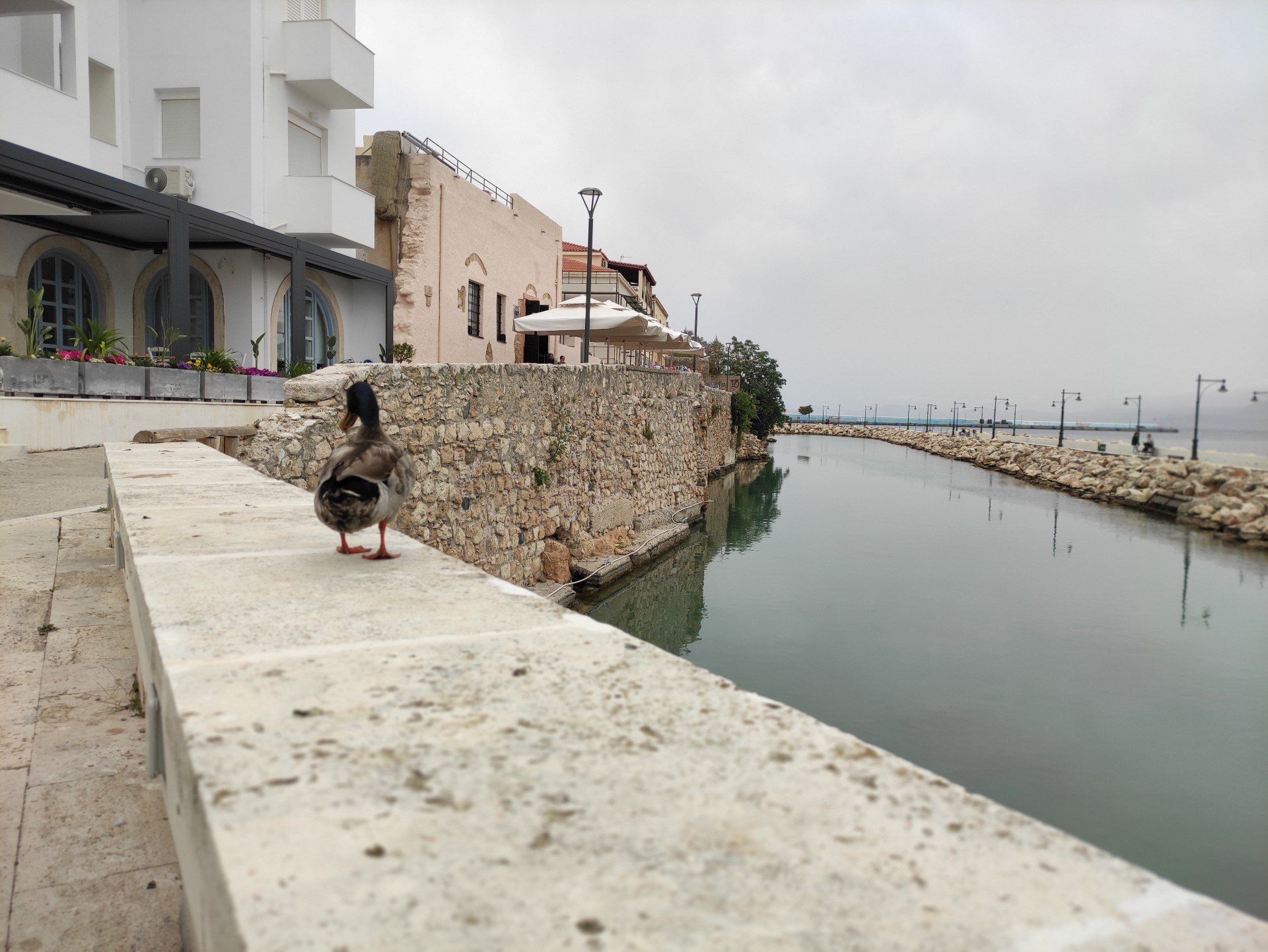
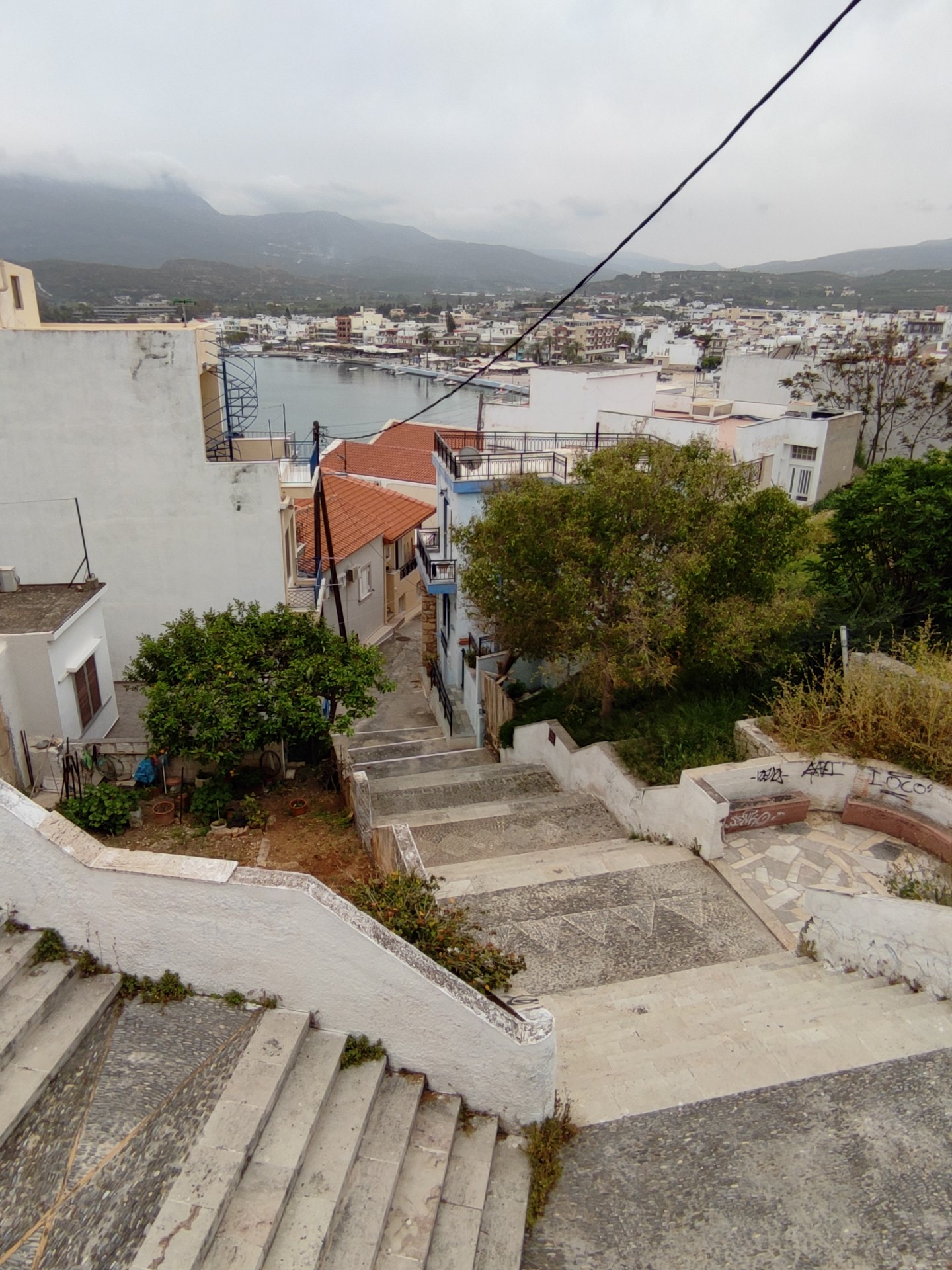
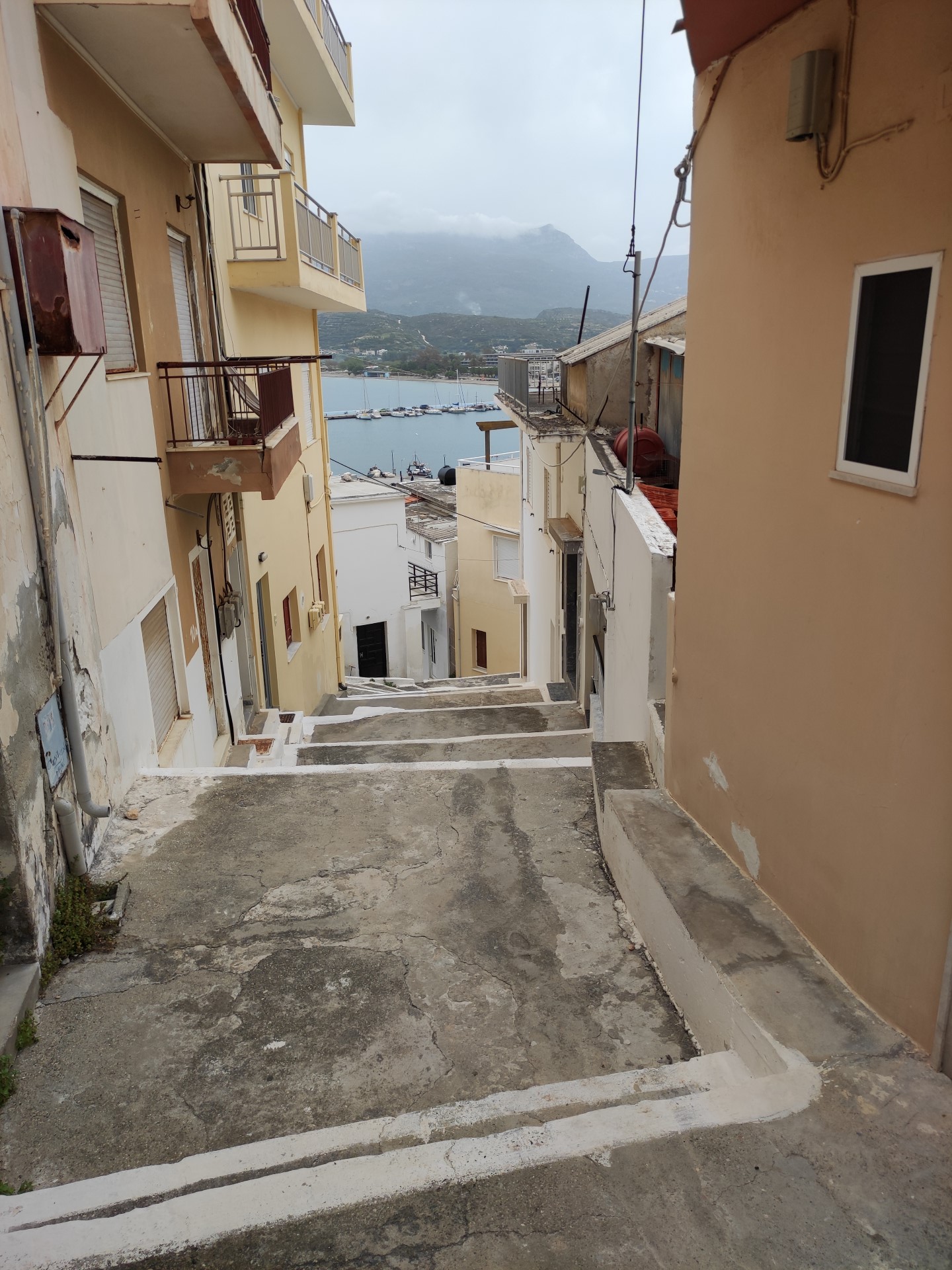
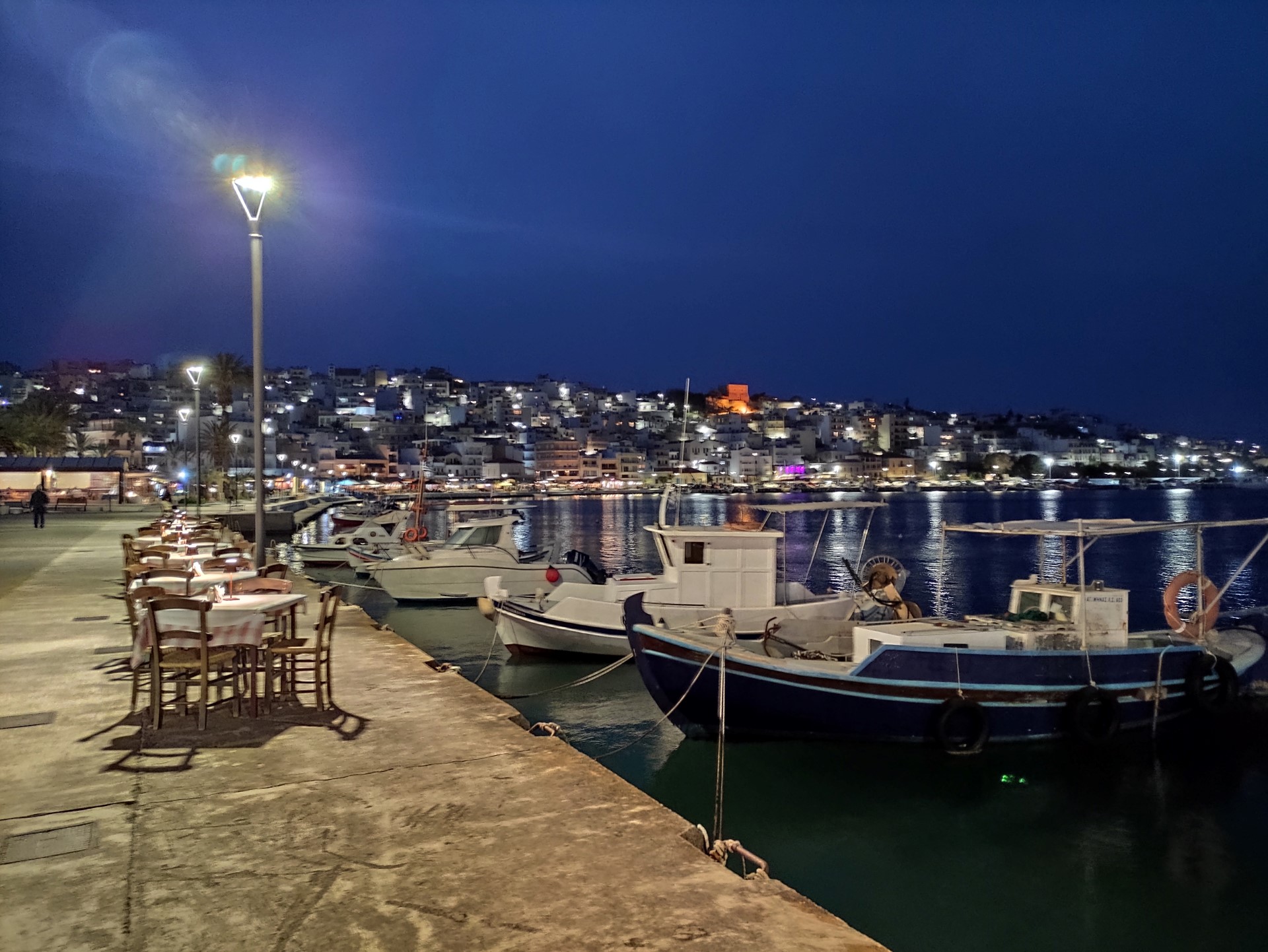
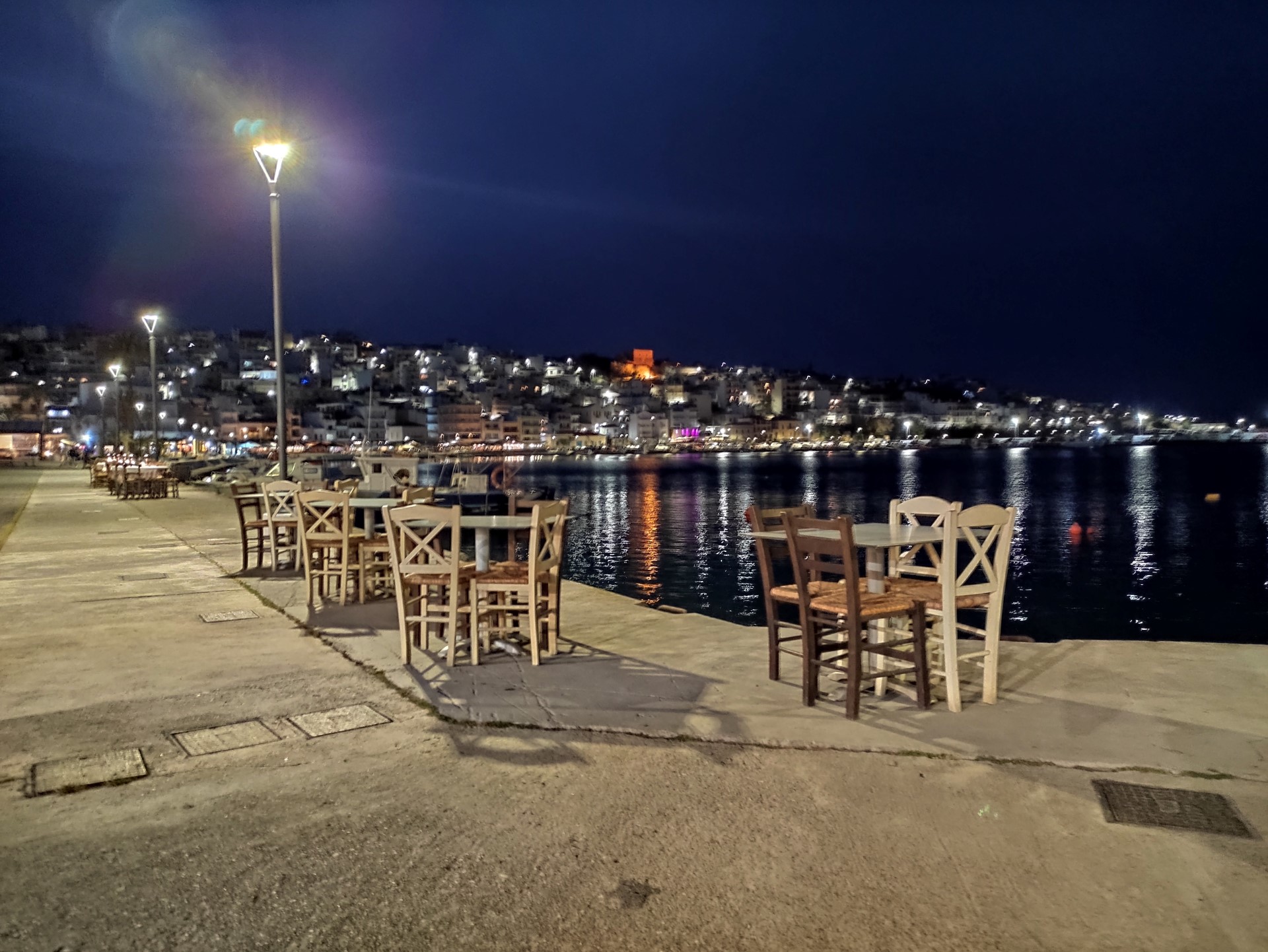
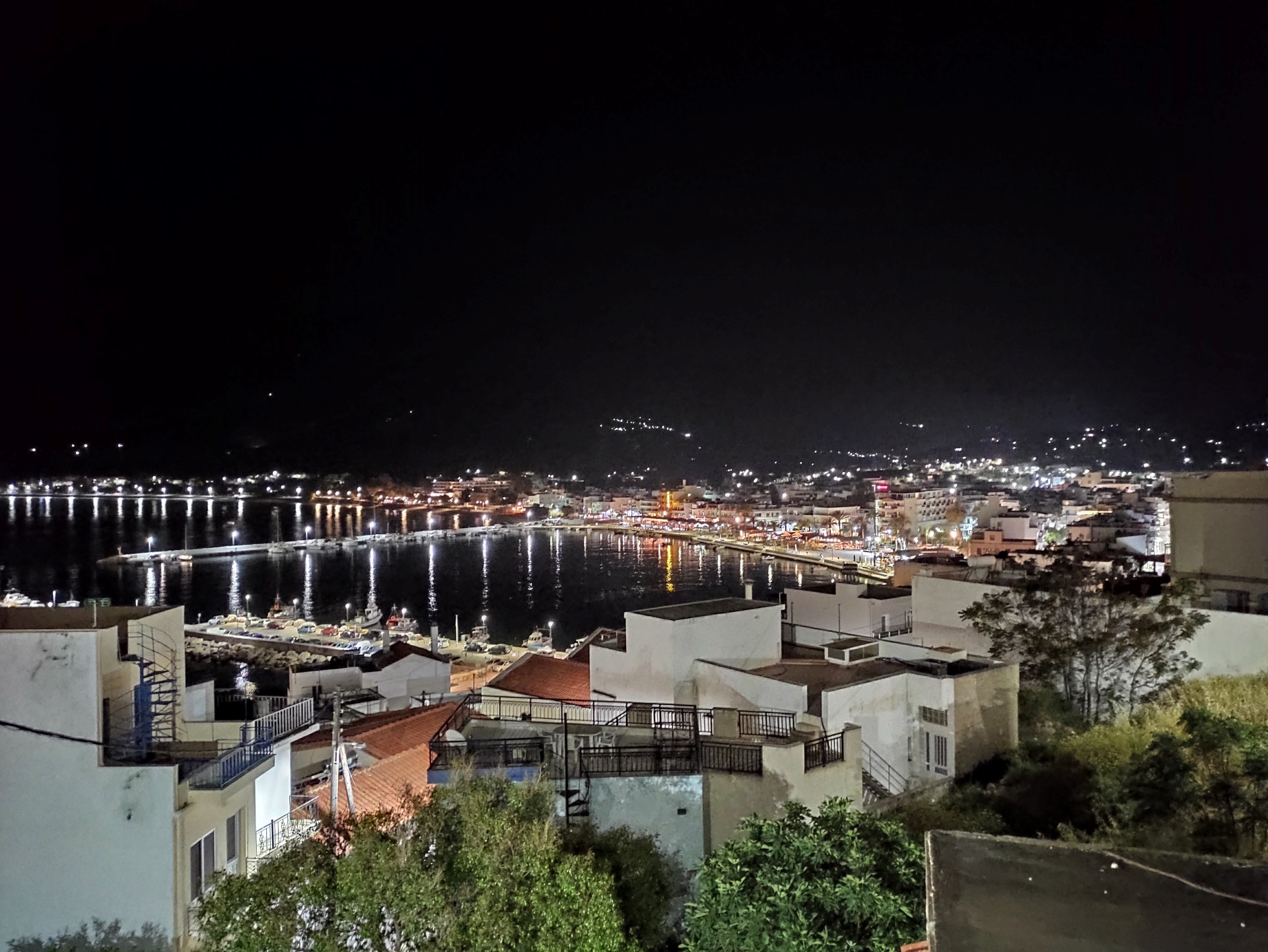
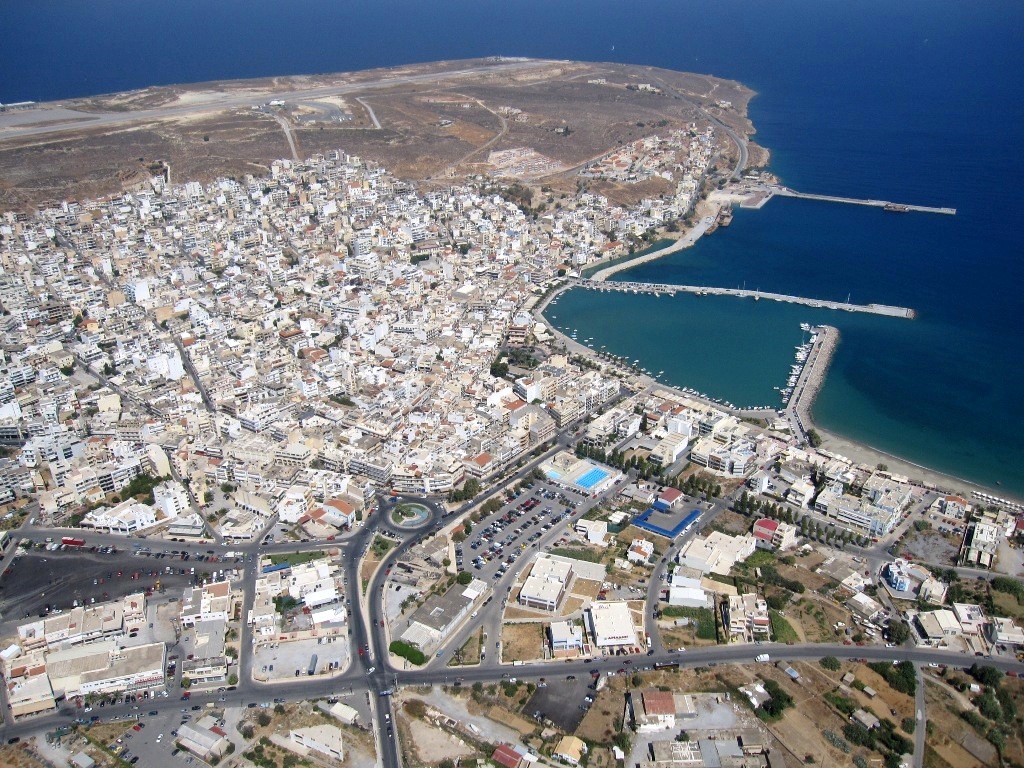
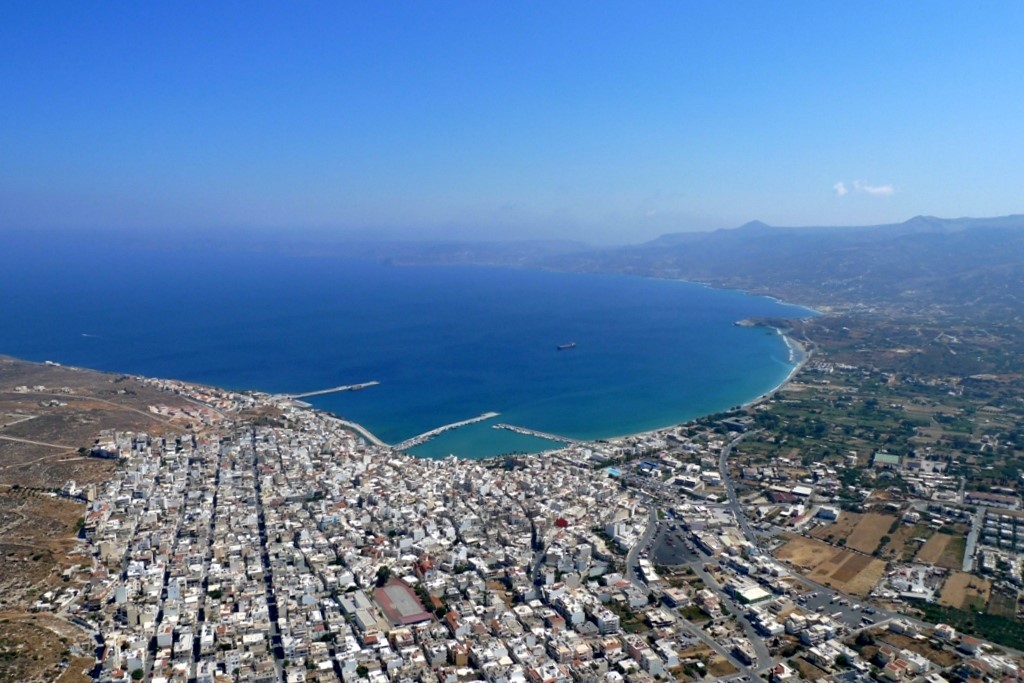
Sitia is the easternmost town of Crete, built amphitheatrically on the western side of the bay bearing the same name, in a region with a warm and dry climate.

Sitia lies 64km east of Agios Nikolaos and is the principal urban and commercial centre of the province of Sitia. It has a port and the “Vitsentzos Kornaros” Airport, while road connections link it with Ierapetra, Agios Nikolaos and the settlements of eastern Crete. The local economy is based mainly on agriculture, commerce and tourism.

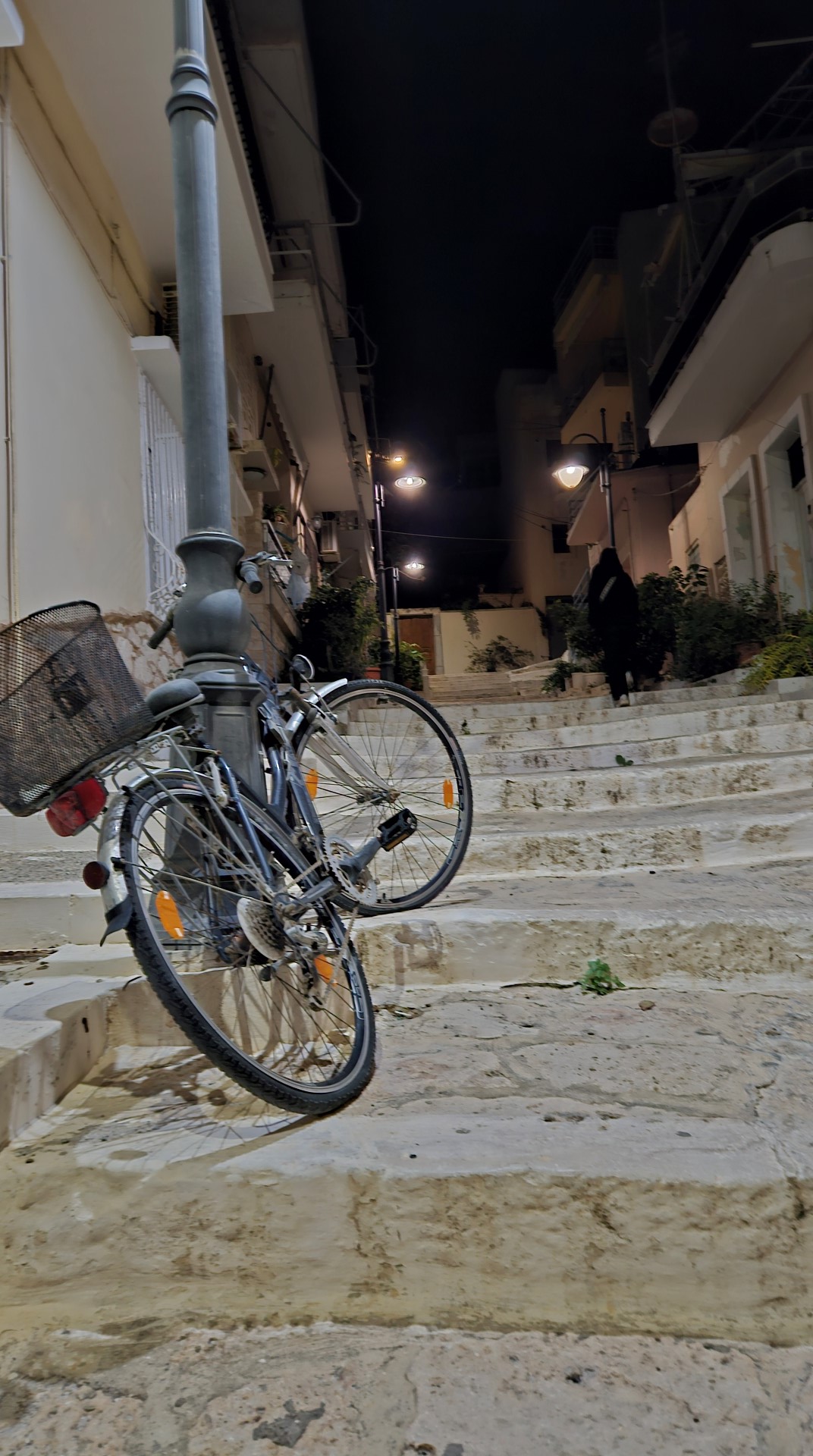
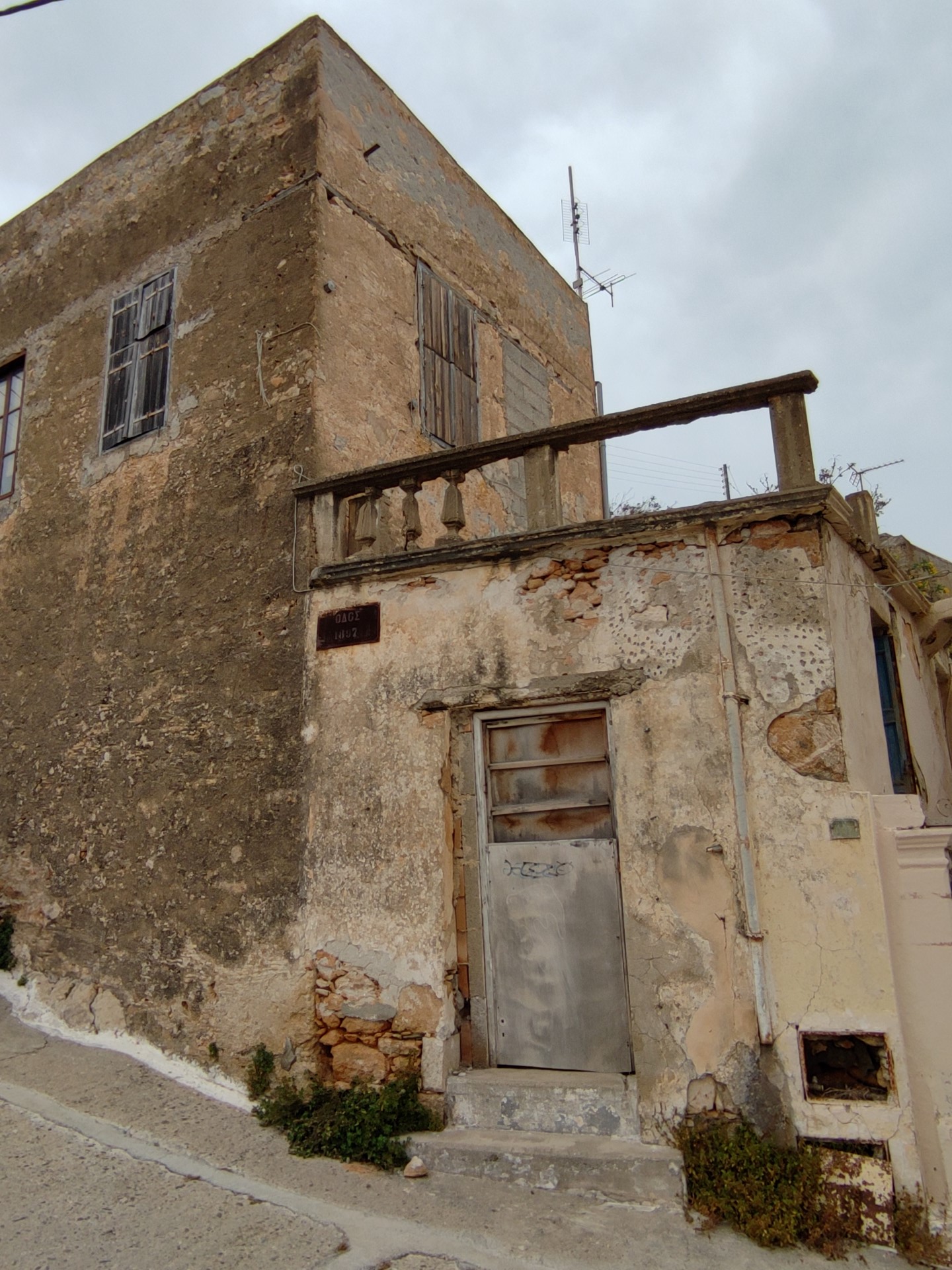
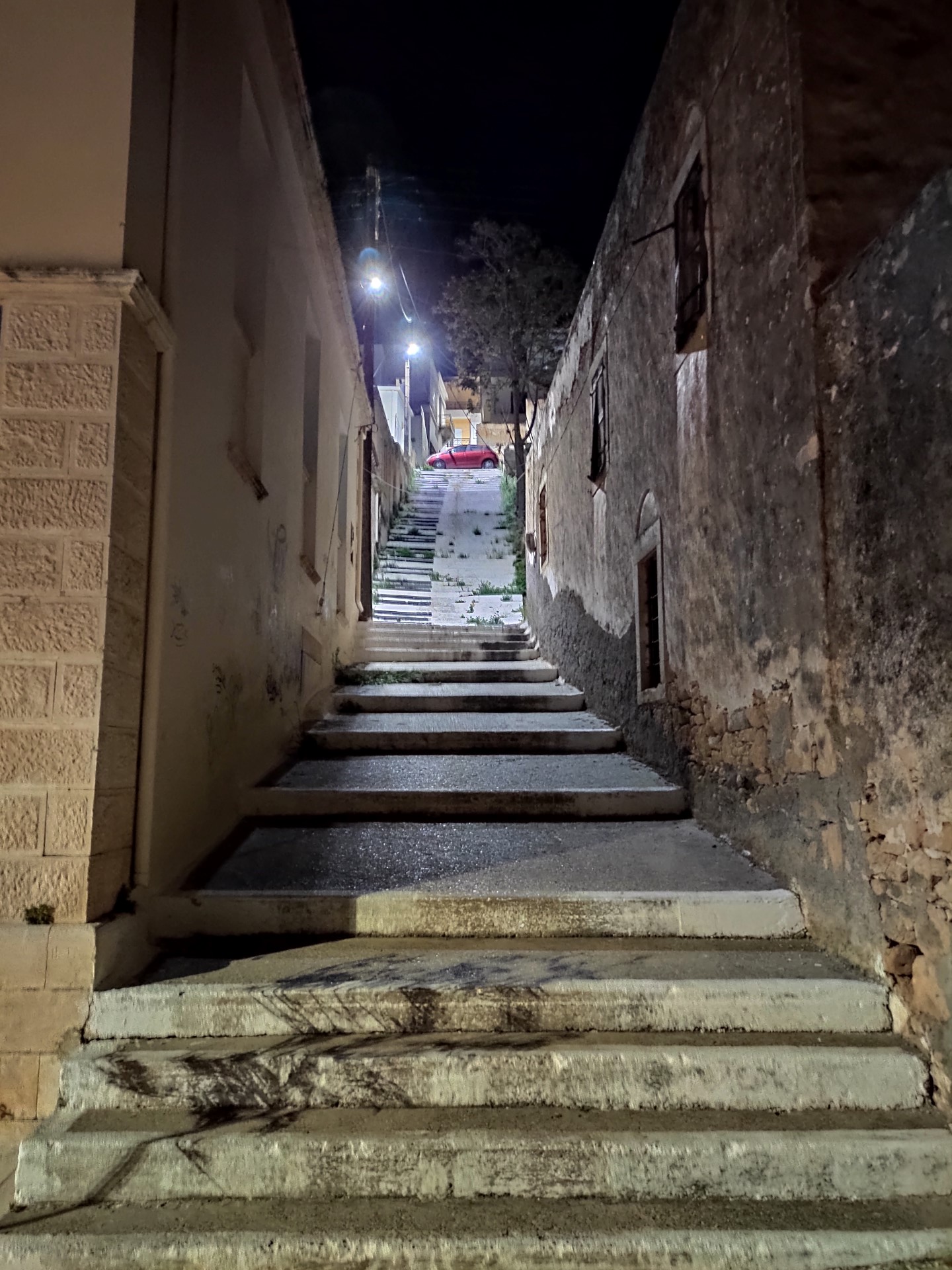
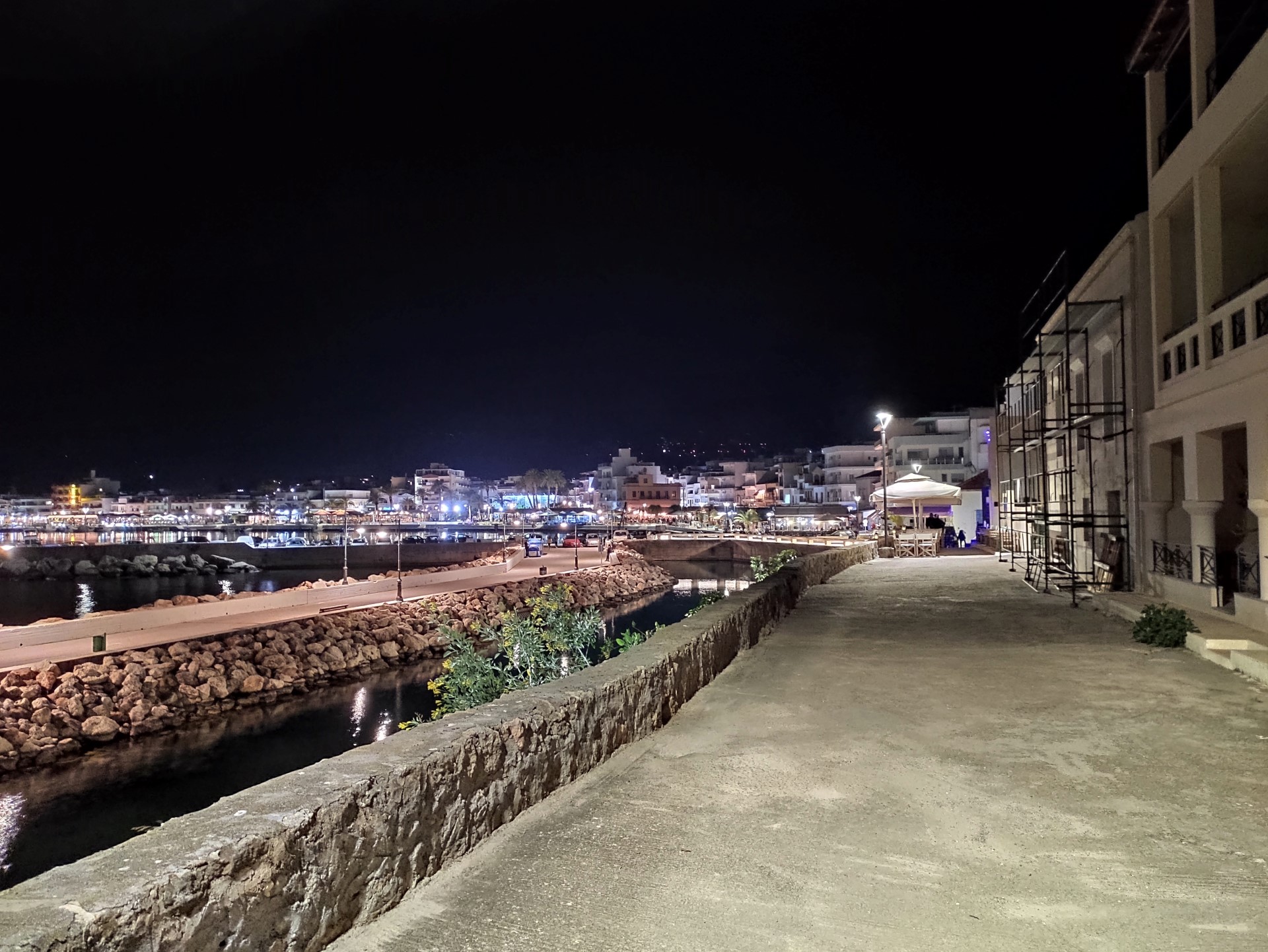
In the town, visitors can swim at the long beach of Sitia, stroll around the harbour and along the waterfront or explore the older neighbourhoods with their traditional houses and picturesque courtyards. Rising above the town is the fortress of Kazarma, the most important surviving monument of medieval Sitia.

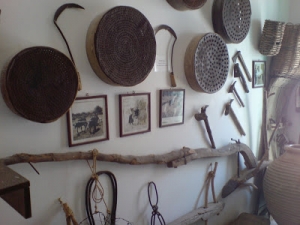
The Archaeological Museum of Sitia is particularly interesting, displaying finds dating from approximately 3500 BC to the 5th century AD from across eastern Crete. The town also hosts the Folklore Museum of Sitia, whose collections present everyday life, traditional occupations and the cultural heritage of the province. The best-known local products include the award-winning olive oil, Sitia wine and the Cretan spirit tsikoudia.

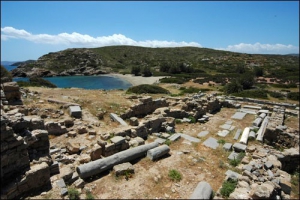
The area has been inhabited since the Neolithic period, while important Minoan buildings and sections of fortification have been excavated at Petras. The name of Sitia has been associated with the ancient city of Eteia or Siteia, although it has not been established that this ancient settlement stood on the exact site of the modern town. According to one ancient tradition, the Cretan city of Eteia was considered the birthplace of Myson, who was counted among the Seven Sages of antiquity. Ancient Eteia has also been associated with Praisos and is mentioned as one of its ports.

During the Byzantine and Venetian periods, Sitia developed as a commercial harbour and was protected by fortification walls and the Kazarma fortress. The destructive earthquake of 1508 and the raid of Hayreddin Barbarossa in 1538 caused severe damage to the town and its fortifications. In 1651, the Venetians abandoned Sitia and demolished much of its defensive system so that it could not be used by the Ottomans.

Modern Sitia was rebuilt in 1870 according to the urban plan of Avni Pasha and was named Avnie in his honour. The name was used mainly by the Ottomans, while the Greek inhabitants continued to call the town Steia or the Port of Sitia.

The wider region is closely associated with the poet Vitsentzos Kornaros, who was born at Trapezonda in the province of Sitia in 1553. He wrote “Erotokritos”, one of the greatest works of Cretan literature. The religious drama “The Sacrifice of Abraham” has also traditionally been attributed to Kornaros, although this attribution is questioned by some modern scholars.

The Castle of Sitia

The Castle of Sitia

It is uncertain whether ancient Sitia occupied exactly the same site as the modern town of Sitia. However, Middle and Late Minoan tombs, Geometric and later figurines and pottery, Roman buildings and an Early Christian basilica have been discovered in the area. The existence of a settlement during the First Byzantine, Arab, Second Byzantine and Venetian periods is considered certain. The Byzantine settlement was surrounded by defensive walls and formed an organised fortified town. Venetian maps depict these fortifications, small sections of which have occasionally been identified. The enclosure was roughly triangular, with its base facing the sea. It began near the Roman fish tanks, beyond the present customs building, and extended uphill towards the Kazarma, where the two sides of the fortification met. The name Kazarma derives from the Venetian term Casa di Arma. The building served as the barracks of the garrison and the administrative headquarters of medieval Sitia. It was not the entire castle, but one of the most important structures within the fortified town. In the early 13th century, the Genoese adventurer Enrico Pescatore repaired or reinforced the fortifications, while the Venetians carried out further works on several occasions. Following the destructive earthquake of 1508, the walls were repaired, but they suffered extensive damage during the raid of Hayreddin Barbarossa in 1538. The Venetian officials Paravizzini and Savorgnan proposed their demolition, but the inhabitants raised 1,500 ducats for the restoration of the town’s defensive system. Demolition was proposed again at a later date, but the bailiffs of Sitia, Bembo and Gongara, prevented it. By 1626, Sitia was regarded as virtually undefended. In a report submitted in 1630, the military engineer Francesco Basilicata stated that the location of the town was difficult to fortify effectively. Nevertheless, its protection was considered necessary, as relocating the entire settlement was impossible. Engineers and funds were sent to Sitia, and sections of the old walls were demolished with the intention of replacing them with stronger fortifications. The works were not completed before the Ottoman advance across Crete. The inhabitants were evacuated, and many were transferred to Candia, present-day Heraklion. A small garrison remained in Sitia until 1651, when the Venetians finally abandoned the town and destroyed much of its fortification. The walls were never rebuilt, and Sitia remained largely abandoned for more than two centuries. The modern town was founded in 1869 according to the urban plan of Avni Pasha and was officially named Avnie, although this name was never widely adopted by its Greek inhabitants. Today, the walls are no longer visible, and the Kazarma Fortress is the most important surviving monument of medieval fortified Sitia.

Read more ...

  • 1
  • 2
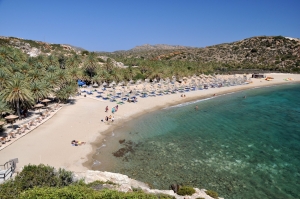
Vai palmgrove

Vai palmgrove

1 1 1 1 1 1 1 1 1 1 Rating 4.07 (423 Votes)
Vai was totally unknown until the early 1970s, when a popular commercial for the Bounty chocolate with coconut was filmed here, using the magical background of palm trees. In the advert, coconuts were falling from trees, however Vai palms produce dates. Consequently coconuts had to be falsely hung to create the right impression. The ad made this unknown earthly paradise renowned throughout the world.

Read more ...

Richtis Gorge

Richtis Gorge

1 1 1 1 1 1 1 1 1 1 Rating 3.63 (127 Votes)
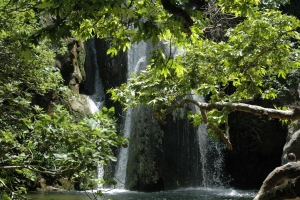
The amazing gorge of Richtis is located in Lasithi Prefecture, on the north side, between Agios Nikolaos and Sitia. It starts just outside the village Exo Mouliana and ends at the Richtis beach, east of the village of Kalabro. The total length of the route is approximately 3 kilometers and the elevation difference between the starting point and the beach is about 350 meters. The gorge, even in summer, has enough water, which is used by locals.

Read more ...
Sitia beach

Sitia beach

1 1 1 1 1 1 1 1 1 1 Rating 3.50 (290 Votes)
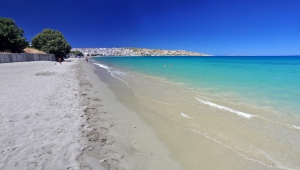
Sitia is the easternmost city on Crete and is located 64km east of Agios Nikolaos. The wider area of Sitia province hosts several small beaches where you can enjoy the sun and the sea. However, some who prefer to stay close to town, can visit the long city beach.

Read more ...

Toplou Monastery near Sitia

Toplou Monastery near Sitia

1 1 1 1 1 1 1 1 1 1 Rating 3.73 (11 Votes)
Toplou Monastery is located in the northeastern tip of Crete, at the base of Sidero Cape, 10km east of Sitia and 6km north of Palekastro. The monastery is one of the most historic monasteries of Crete and is known for its vast real property. In religious circles it is known as the Monastery of Panagia Akrotiriani, while the locals just call it the Great Monastery.

Read more ...

Kazarma Fort in Sitia

Kazarma Fort in Sitia

1 1 1 1 1 1 1 1 1 1 Rating 3.75 (8 Votes)
Castle Kazarma (Casa di Arma) is built on a hill near the port of Sitia, reminding of the old times that it protected the town. The fort is the only surviving part of the old town walls, which were destroyed by the Venetians.

Read more ...
Ancient Itanos

Ancient Itanos

1 1 1 1 1 1 1 1 1 1 Rating 4.75 (4 Votes)
The ancient Itanos was one of the strongest cities in Crete, especially during the Hellenistic and Greco-Roman times. The name comes from its founder Itanos, who came from Phoenicia. Its territory, during its peak, stretched from Cape Samonio (current Cape Sidero) to Cape Erythrae (current Cape Goudouras).

Read more ...
Faneromeni Monastery near Sitia

Faneromeni Monastery near Sitia

1 1 1 1 1 1 1 1 1 1 Rating 3.38 (4 Votes)
The Monastery of Panagia Faneromeni (Revealed Virgin Mary) in Trachilas area of Sitia is located on the edge of a steep area between the Cape Trachilas and Babakia, about 1.5km away from the sea and 8km west of Sitia town. It is built in a lush green area, next to the small gorge of Agii Pantes (All Saints), ideal for an easy walk.

Read more ...
  • 1
  • 2

Also read:

Download Free Premium Joomla Templates • FREE High-quality Joomla! Designs BIGtheme.net