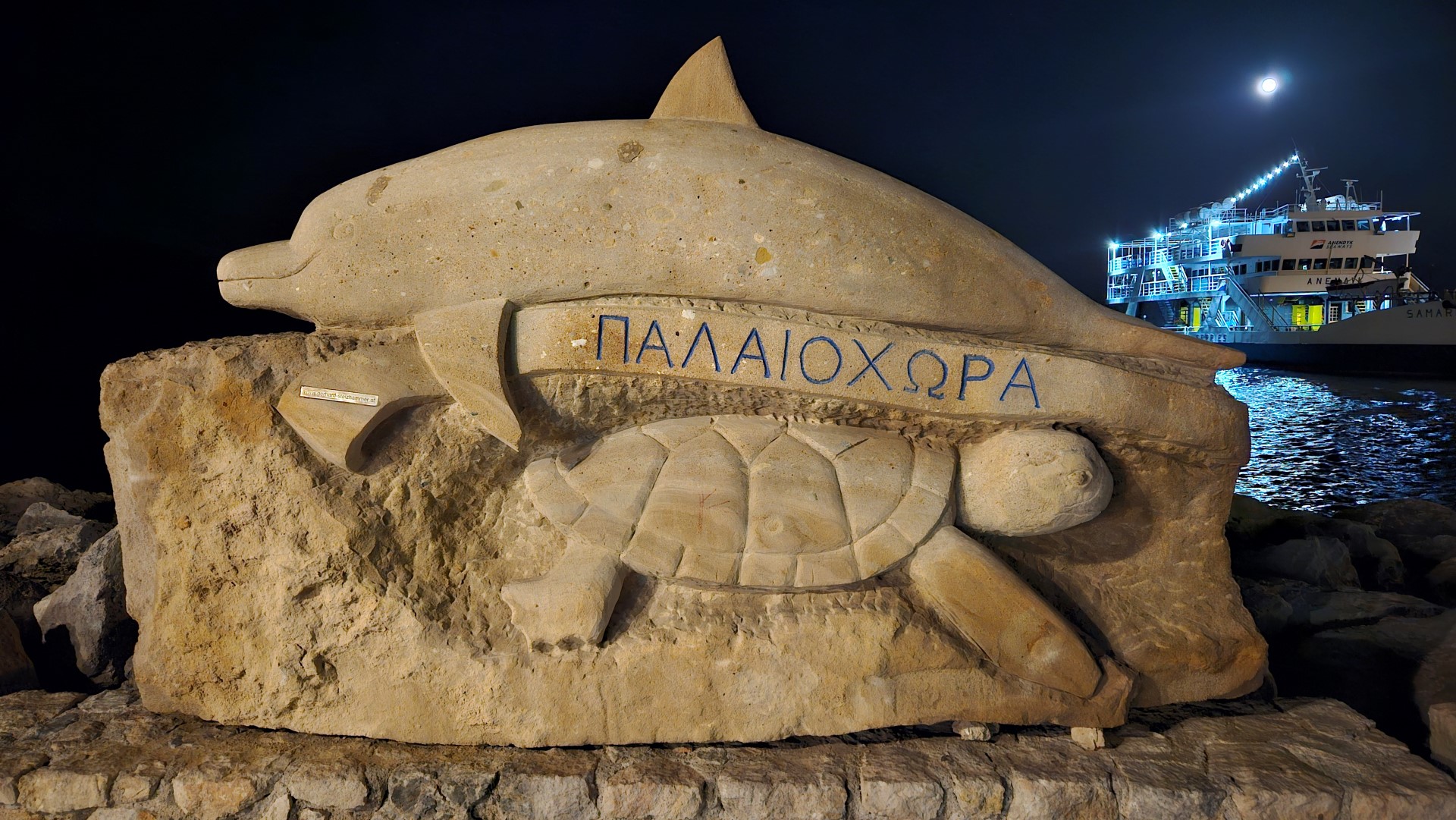
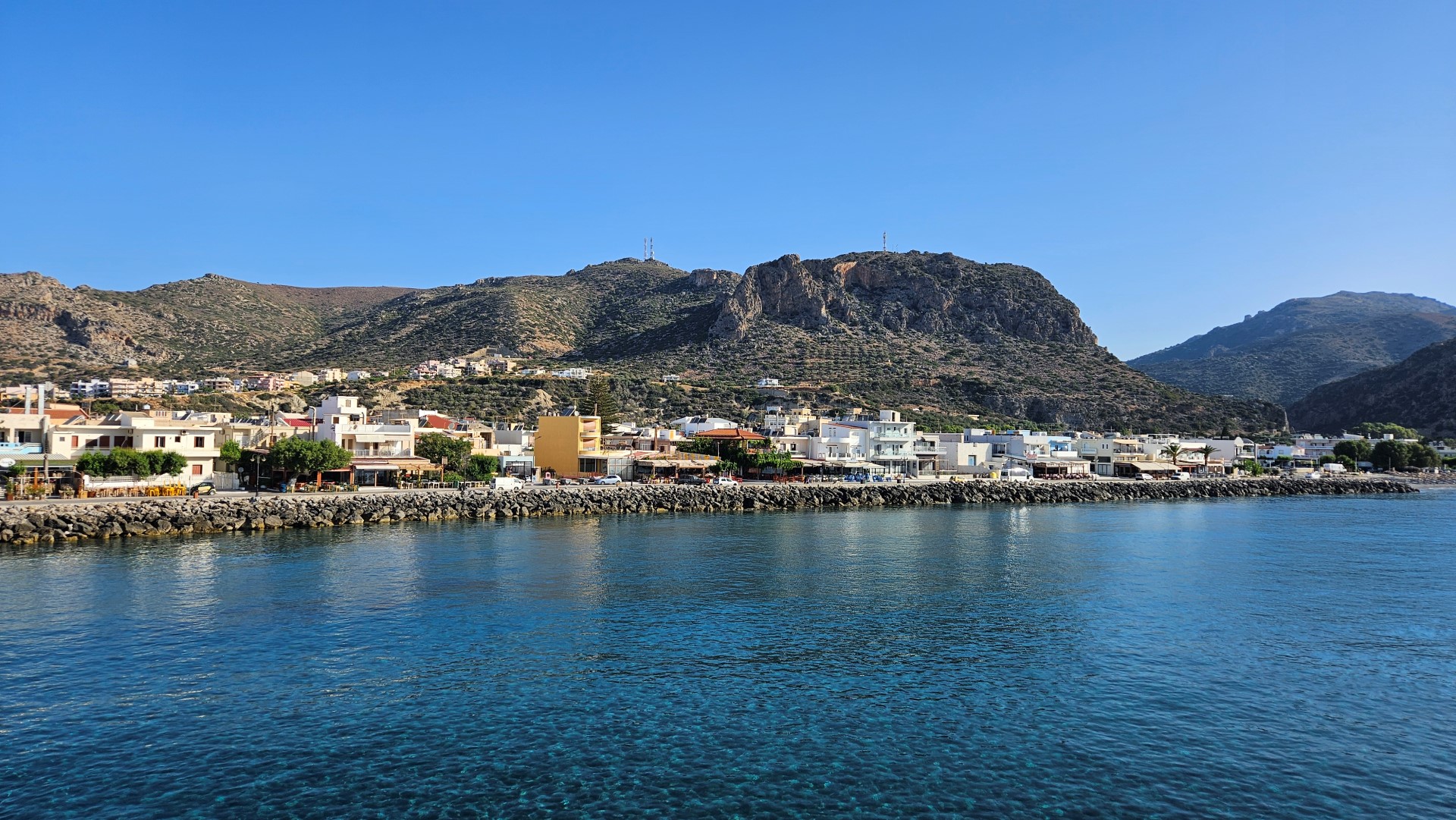
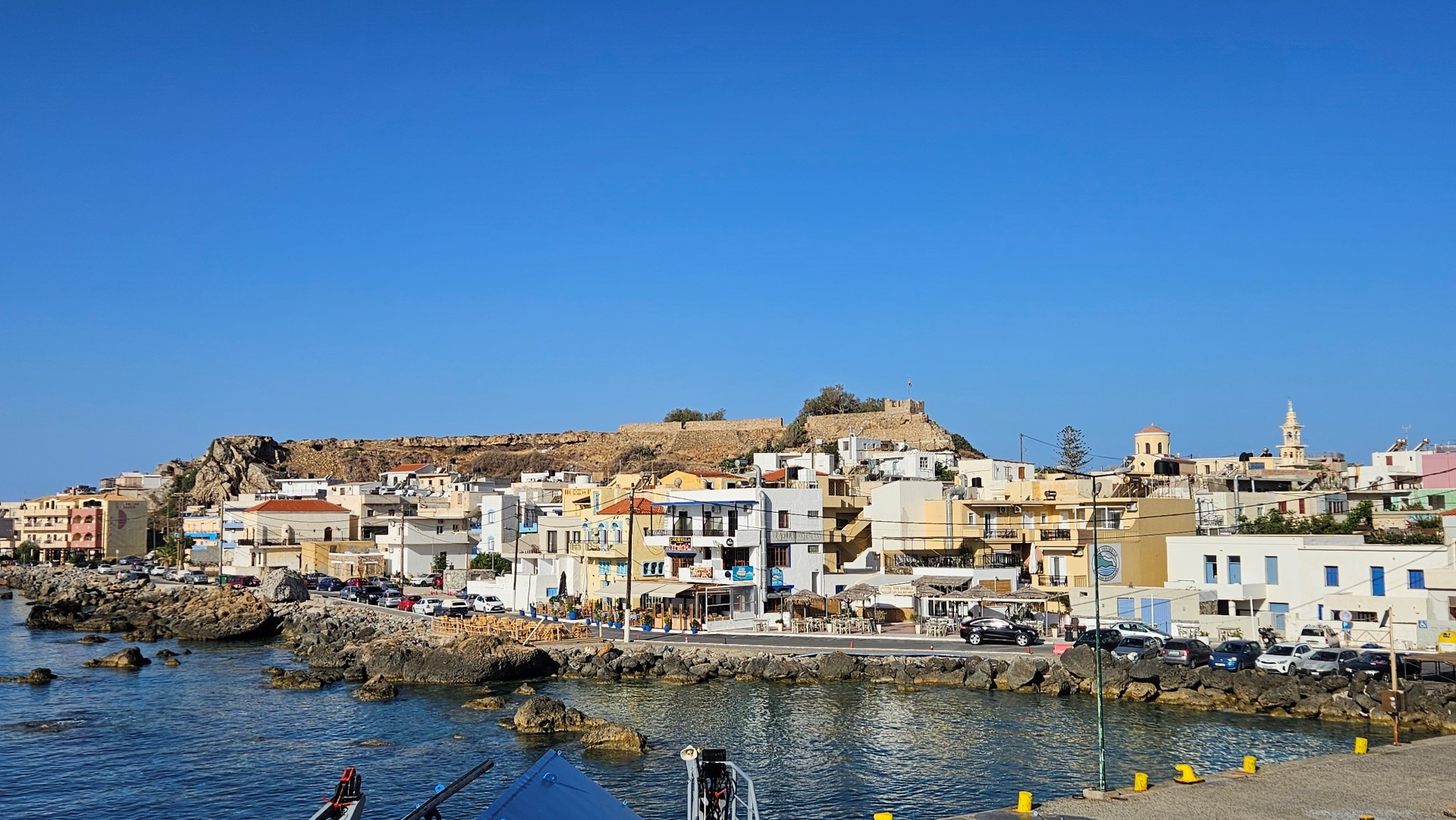
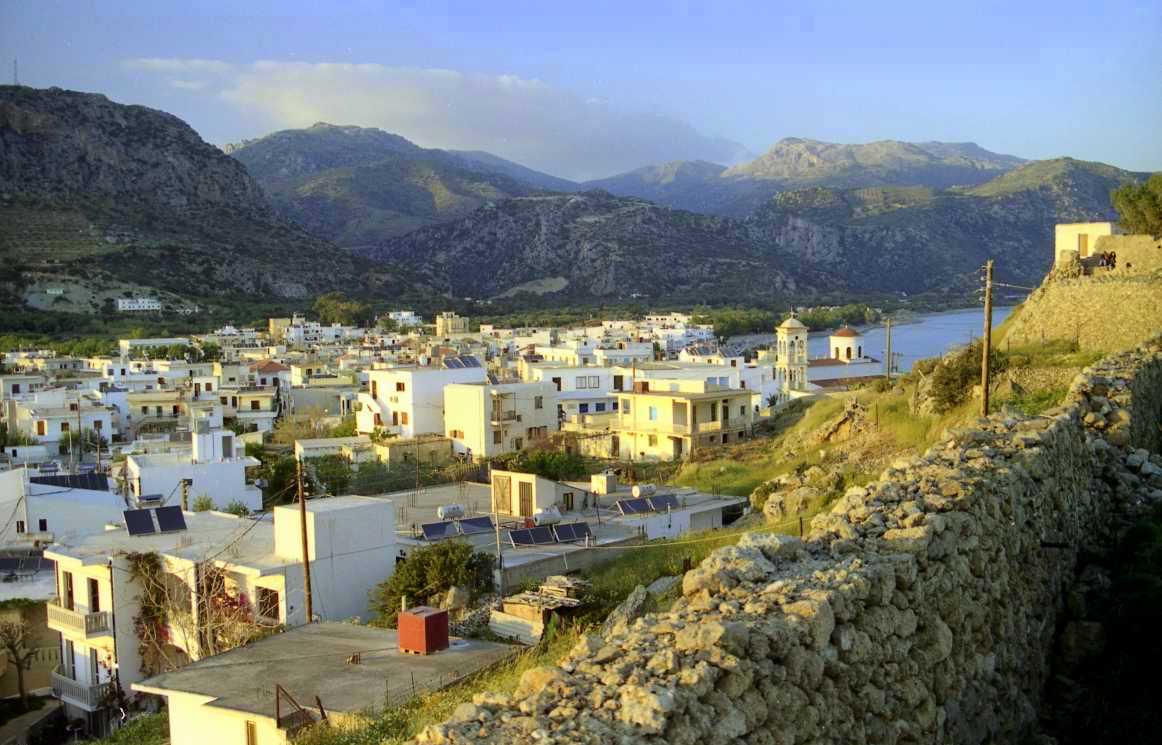
Paleochora is the main coastal town of the province of Selino, built on a narrow peninsula on the southwestern coast of Crete.
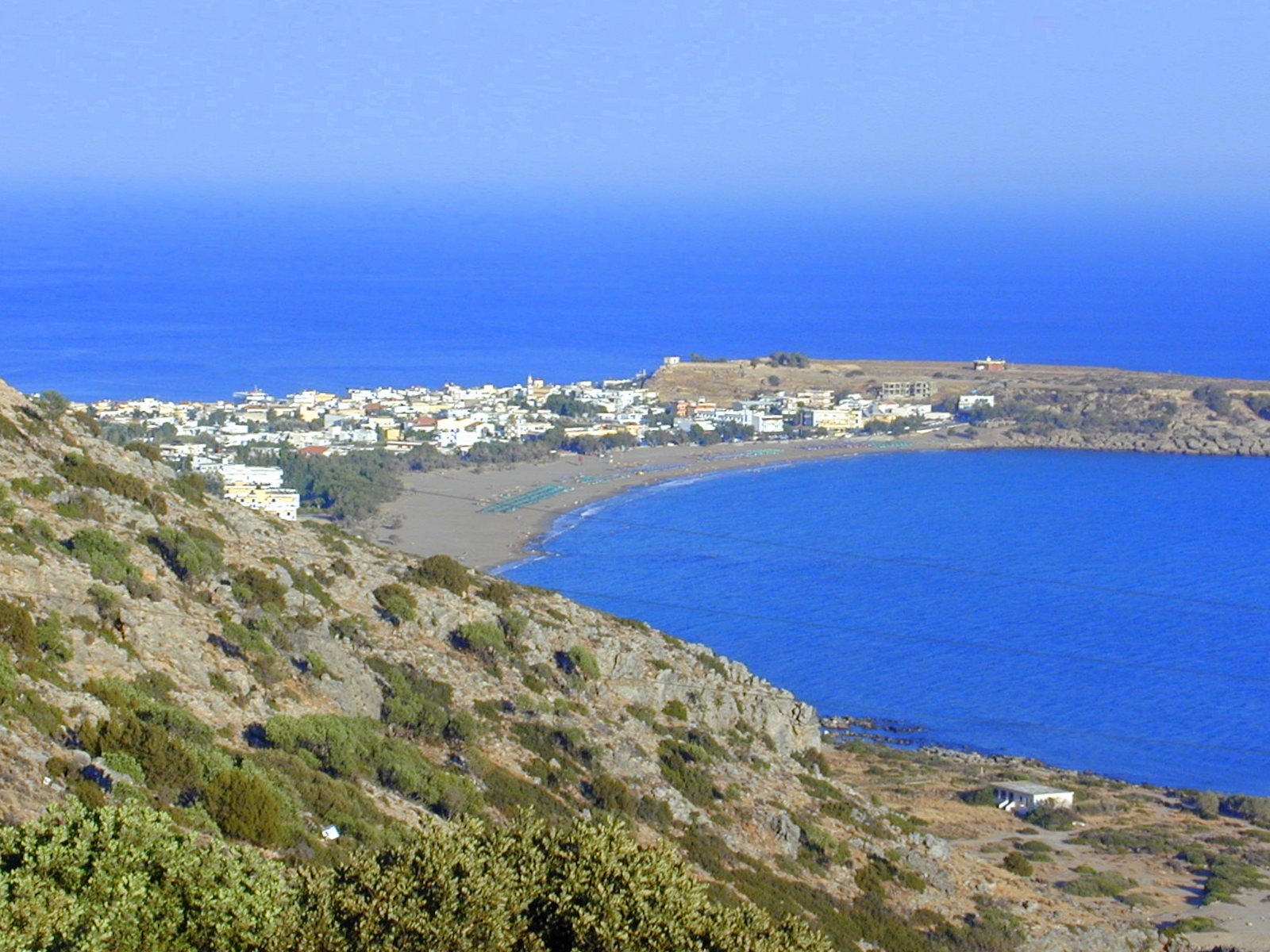
Paleochora is located 77 km south of Chania, on a small peninsula approximately 700 m long and 400 m wide, overlooking the Libyan Sea. It is the main coastal town and one of the most important economic and tourist centres of the province of Selino.
The local economy is based on tourism and agriculture, particularly the cultivation of early vegetables in greenhouses and the production of olive oil. Paleochora began developing as a peaceful holiday destination in the early 1970s, when it became popular with hippies and independent travellers. Despite its later tourist growth, it has largely retained its relaxed and unpretentious character.
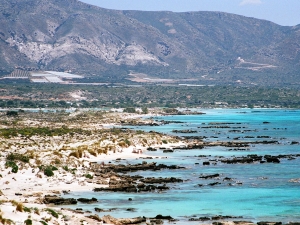
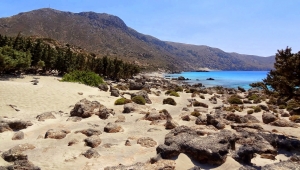
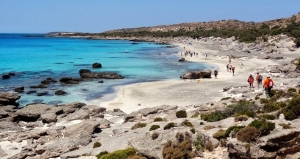
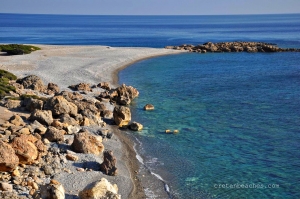
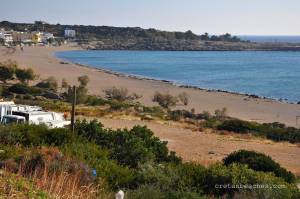
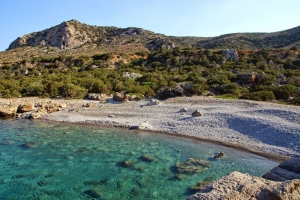
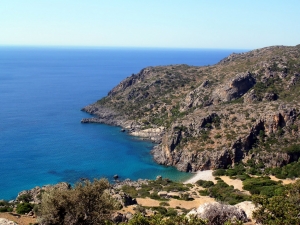
Along the approximately 11 km coastline surrounding the town are organised beaches as well as small secluded coves. The long sandy beach of Pahia Ammos lies on the western side of the peninsula, while the pebble beach of Halikia stretches along its eastern side. The beaches of Gialiskari, Anidri, Grammeno and Krios, together with numerous smaller shores, are also located nearby.
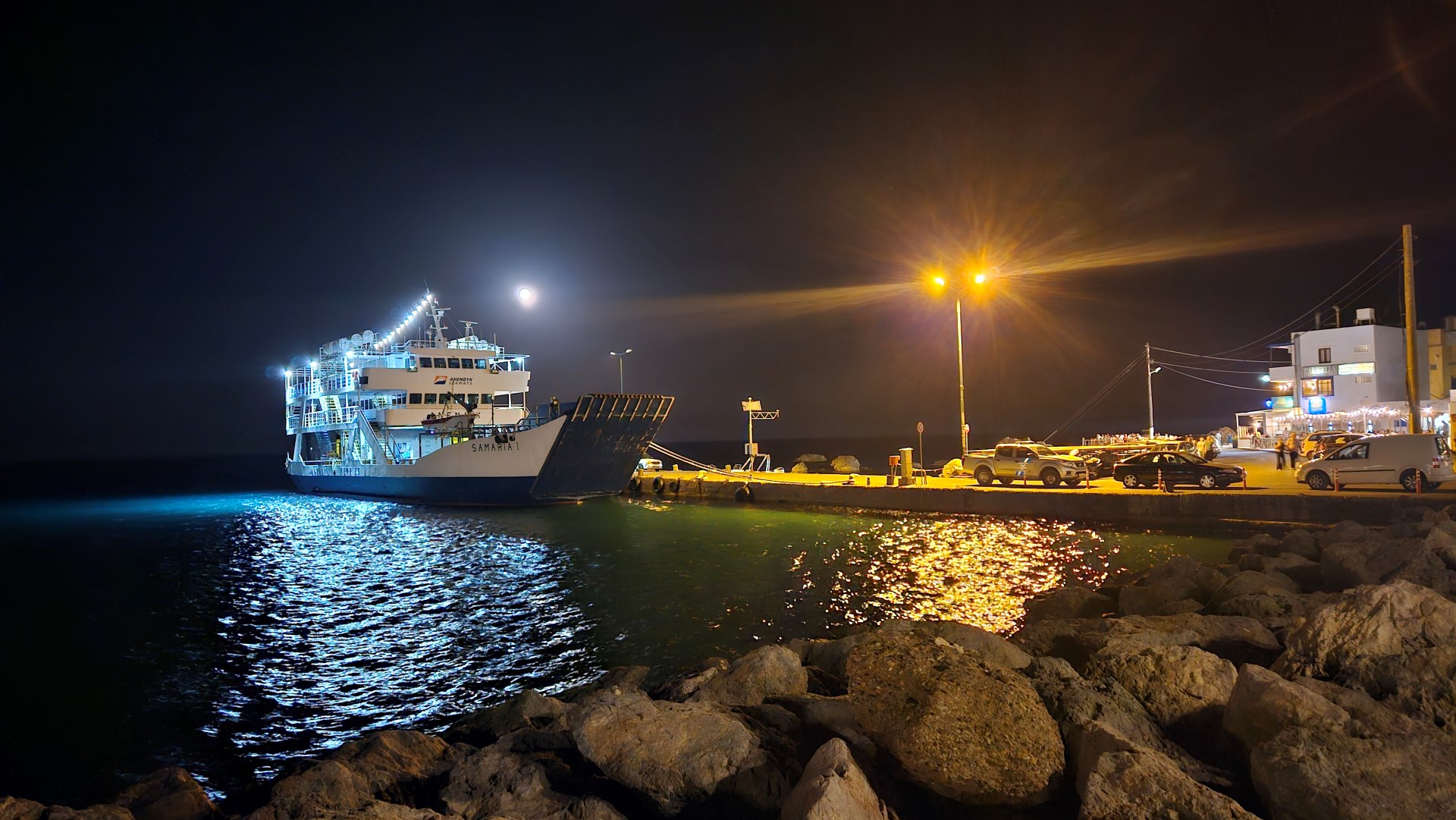
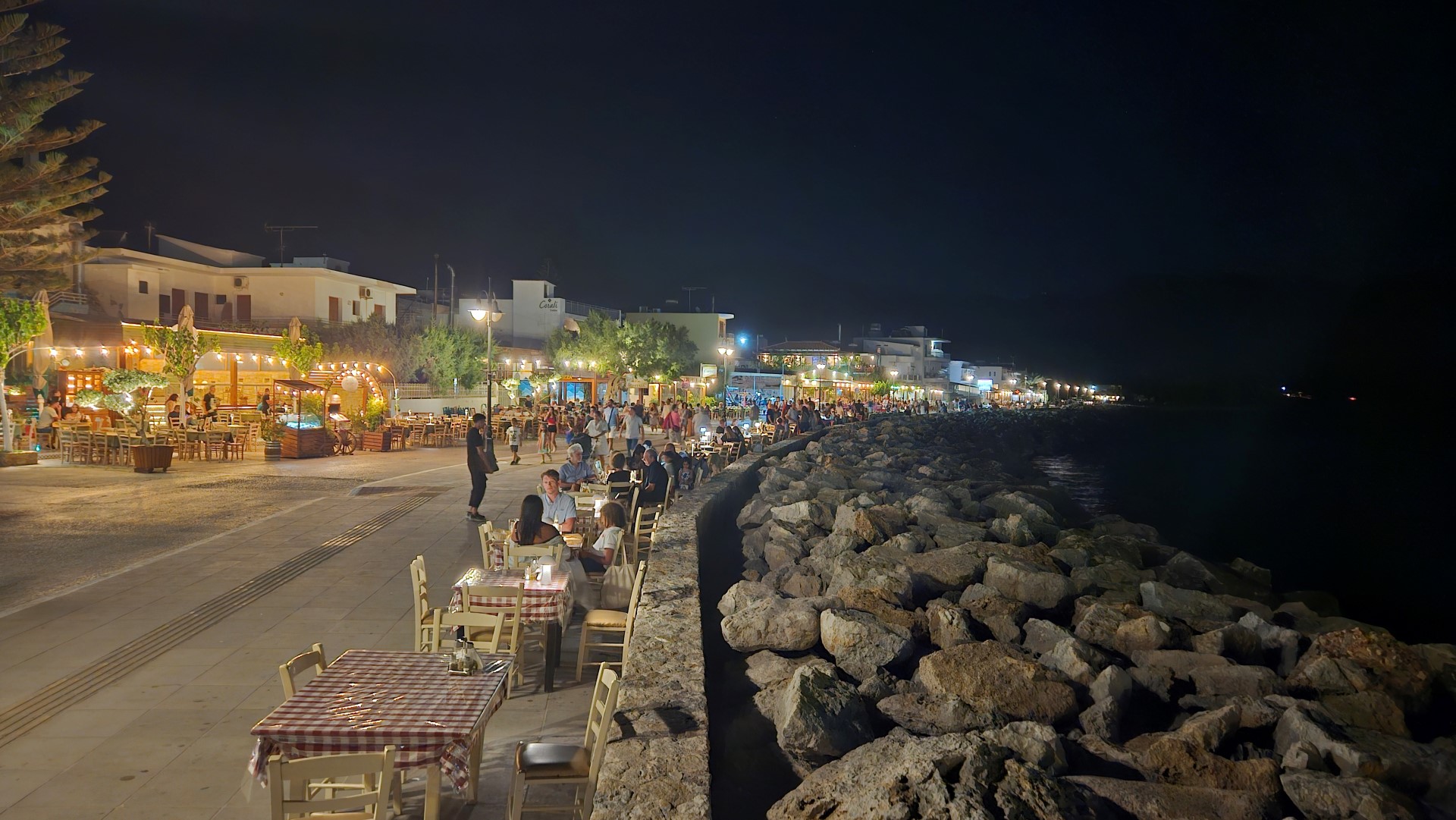
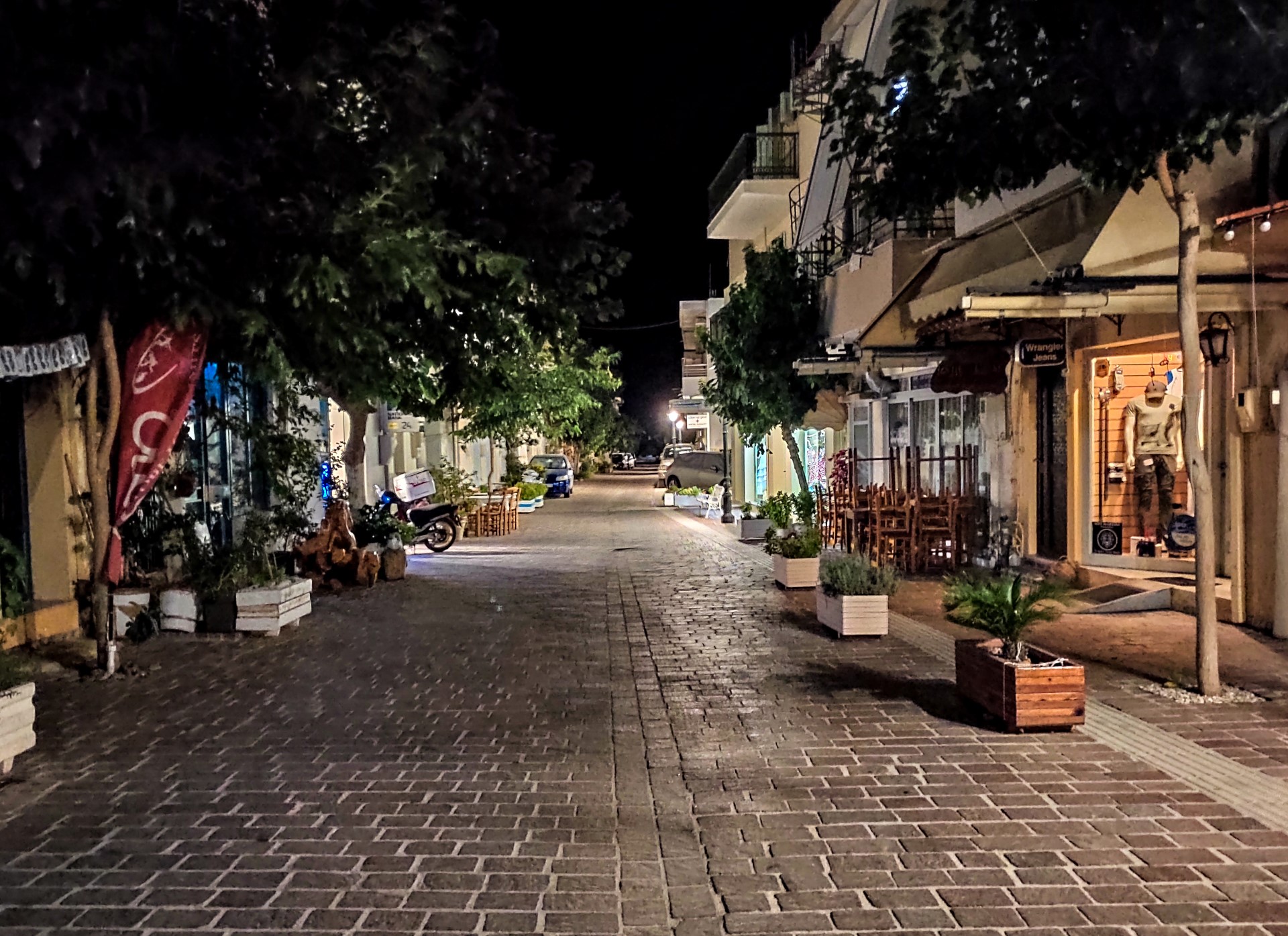
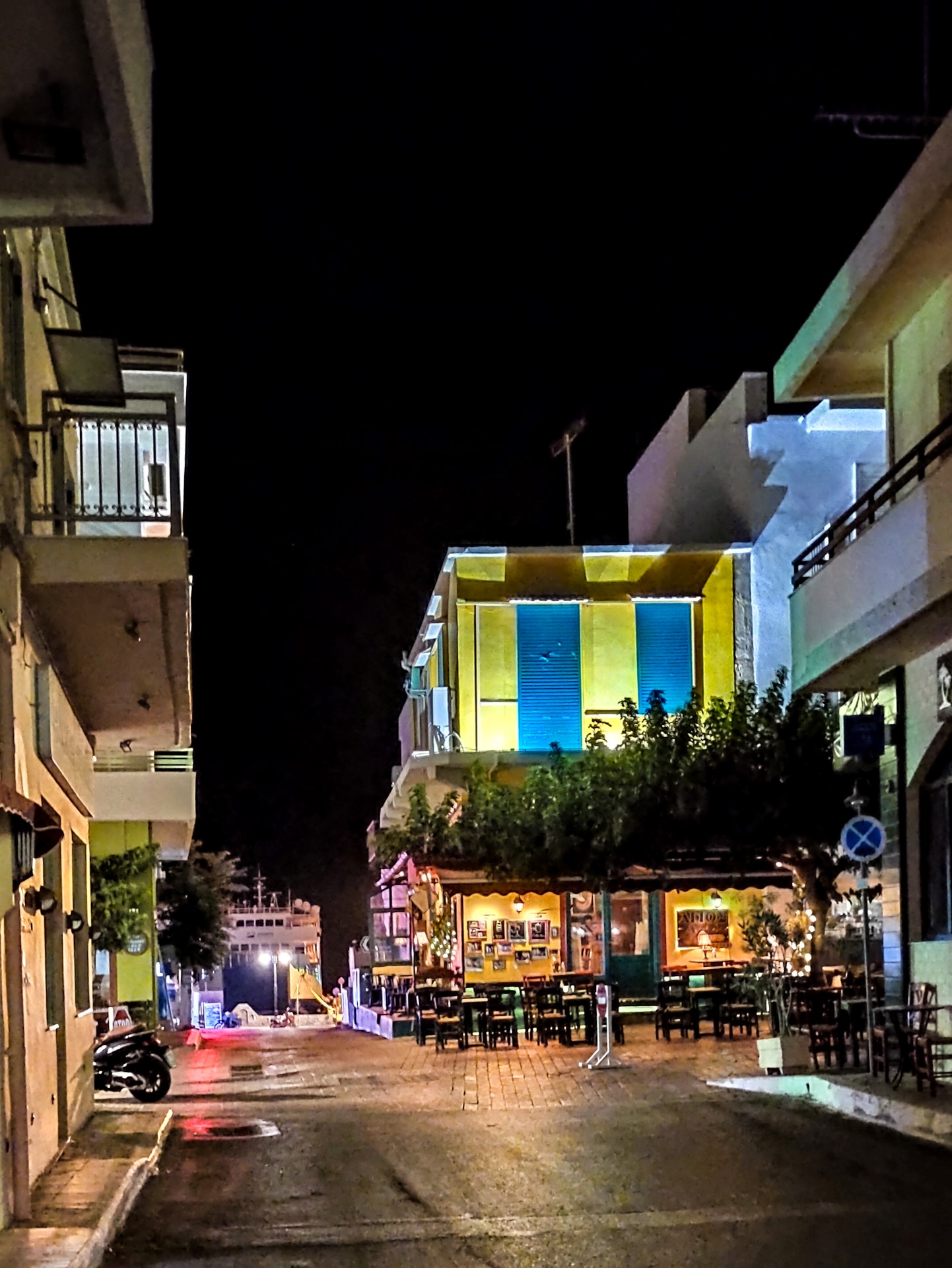
Paleochora offers hotels, rooms, restaurants, tavernas, cafés, shops, a health centre, pharmacies and the basic services required by residents and visitors. During the tourist season, ferries connect its harbour with Sougia, Agia Roumeli, Loutro, Chora Sfakion and Gavdos. Timetables vary according to the season and weather conditions.
History
The ancient city of Kalamyde or Kalamydi is believed to have stood somewhere in the wider area, although its exact location has not been conclusively identified. Some researchers place it north of modern Paleochora, near Agia Triada, where rock-cut tombs and traces of ancient structures have been found.
In 1282, the Duke of Crete Marino Gradonigo constructed Castel Selino at the southern end of the peninsula to strengthen Venetian control over the rebellious region. The name Selino was gradually adopted for the entire province. A small settlement of craftsmen and merchants developed around the fort and became the predecessor of modern Paleochora.
The fortress was destroyed during the revolt of 1332 and rebuilt in 1334. It suffered further destruction during the raid of Hayreddin Barbarossa in 1539 and was subsequently repaired by the Venetians. In 1645 it was captured by the Ottomans, who modified it for their own defensive needs. By the early 19th century, the surrounding area was almost deserted and the fortress was already largely ruined.
Modern Paleochora began developing again from 1866, mainly because a harbour was needed for the transport of agricultural products from the province of Selino. Merchants, sailors and families from the surrounding villages gradually settled near the old fortress.
During the Battle of Crete in 1941, fighting took place in the area between German troops and Greek forces supported by members of the Cretan Gendarmerie. After the Second World War, families from Gavdos also settled in the old part of Paleochora, creating the neighbourhood still known as Gavdiotika.