
Livadia beach, Kissamos
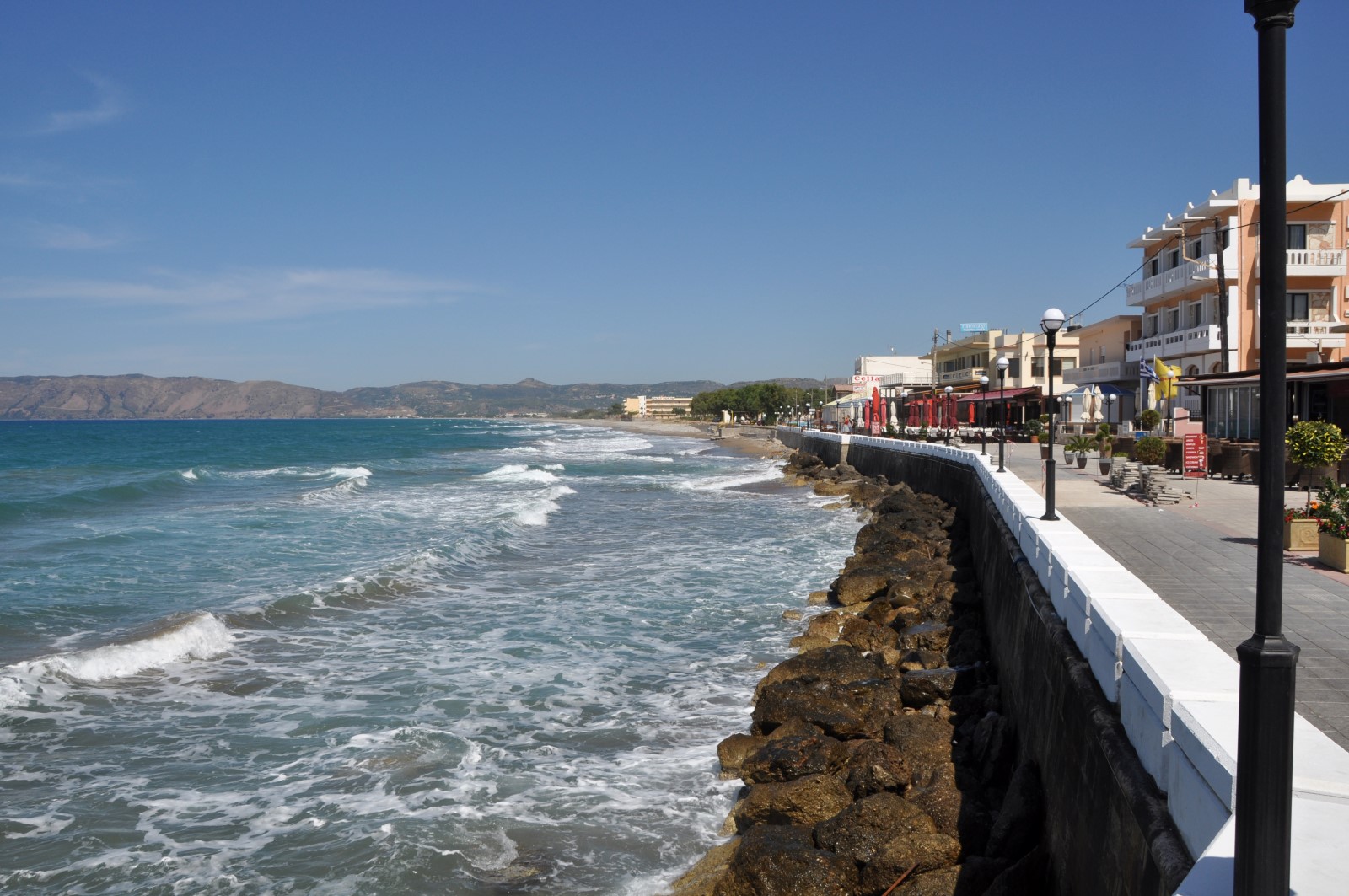
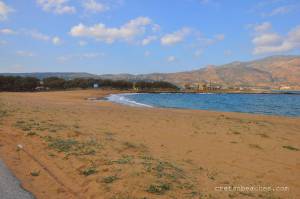
The beach of Livadia starts 1km east of Kissamos, next to the town stadium, and ends at the beach of Korfalonas. It is a small, 2km long, part of the vast beach that runs from Kissamos and ends in the Cape Rodopos.




Kissamos, also known as Kastelli, is the main town of the province of Kissamos and lies at the head of Kissamos Bay, 36 km west of Chania.
Kissamos, still widely known by its former name Kastelli, is the economic and commercial centre of the province of Kissamos. The community of Kastelli had 4,321 permanent residents in the 2021 census. Its economy is based on agriculture, especially the production of olive oil and wine, as well as commerce and tourism.
Despite the growth of tourism, Kissamos has largely retained the character of a living Cretan town. Visitors can experience local everyday life, traditional cuisine and the customs of the province, while using the town as a convenient base for exploring western Crete.
Kissamos has shops, public services, a health centre, restaurants and a pleasant waterfront promenade. Ferry services connect its port with Antikythera, Kythera, Gythio and Piraeus, depending on the season and the current timetable. During the tourist season, excursion boats also depart for Gramvousa Island and the celebrated Balos Lagoon.
Along the seafront lies Telonio Beach, beside the pedestrian promenade lined with cafés and restaurants. Farther west is the sandy beach of Mavros Molos, one of the most popular beaches in Kissamos.
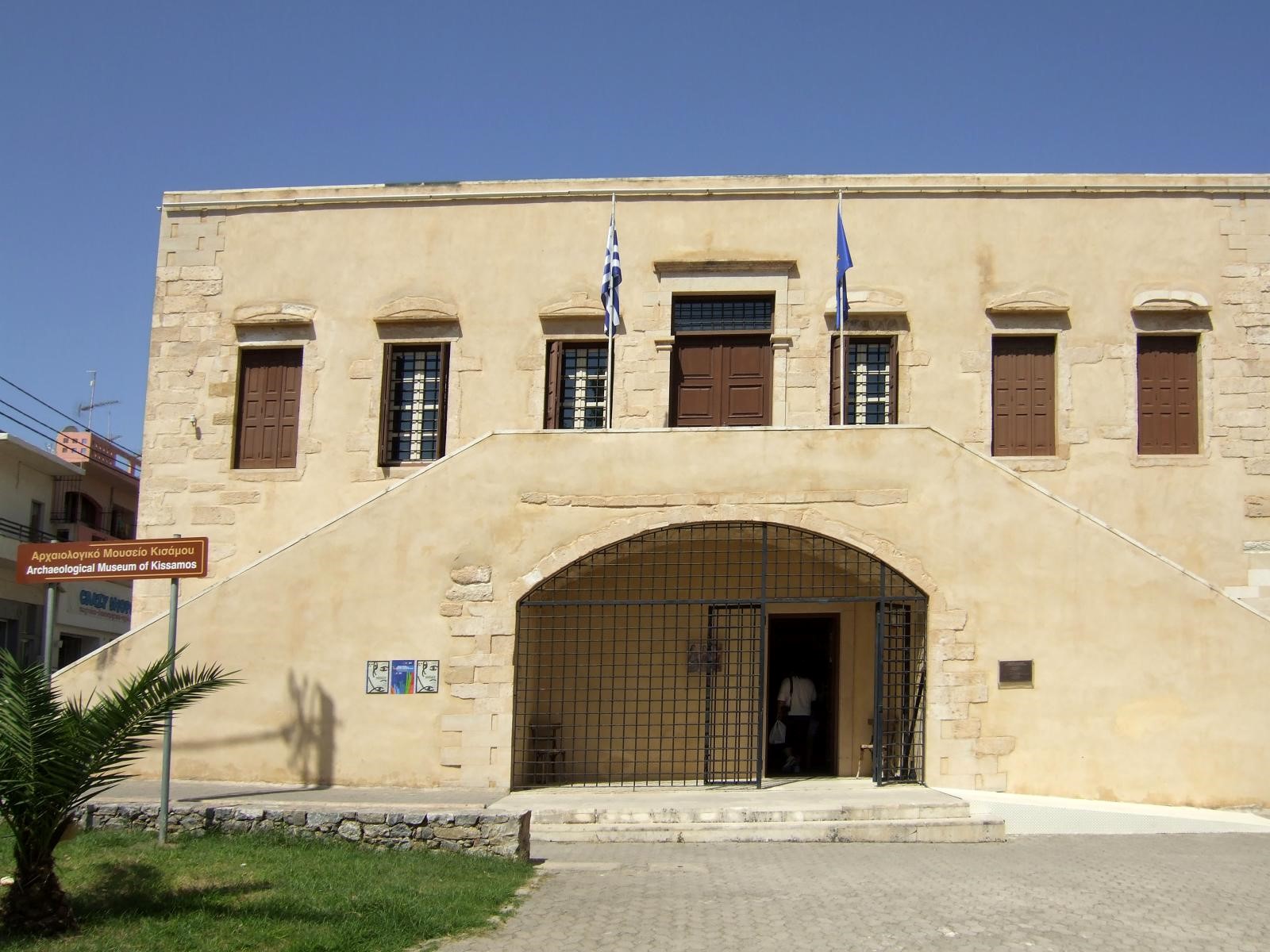
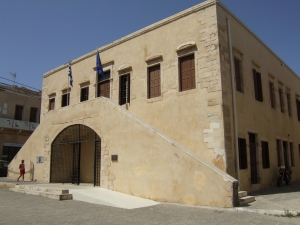
The Archaeological Museum of Kissamos is housed in the listed former administrative building on Stratigou Tzanakaki Square. Its exhibition presents the history of the region from prehistory to the Early Christian period. Its most impressive exhibits include the remarkably preserved mosaic floors from the Greco-Roman villas of ancient Kissamos.
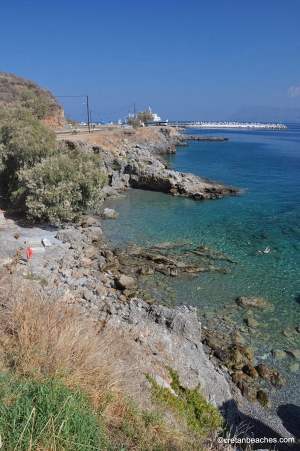
Skalidi Street, the town’s old market, retains several traditional buildings with arches among its small shops and cafés. About 1.5 km from the centre is Limni, the picturesque old fishing harbour with its fish tavernas. Between the fishing harbour and the main port stands the small rock-cut church of Agios Ioannis Damialis. A short passage beneath the road leads to Damialis Beach, a small pebbly cove with clear water.
The modern town occupies the site of ancient Kissamos, whose pre-Greek name survived through the centuries. Pliny referred to it as Cisamon, while Ptolemy recorded it as the city of Kissamos. The settlement flourished particularly during the Roman period, when it became an important port of western Crete.
Numerous remains of Roman Kissamos have been discovered beneath the modern town, including baths, villas with mosaic floors, workshops, cemeteries and sections of an aqueduct. In the late 16th century, the Venetian traveller and antiquarian Onorio Belli recorded the ruins of a theatre and an amphitheatre. Earlier remains have also been found in the wider area, while local tradition associated certain sites with Agamemnon and the Mycenaeans.
Kissamos retained its importance during the First Byzantine period and became the seat of a bishopric. During the Second Byzantine period, the episcopal seat was transferred inland to present-day Episkopi, probably to provide greater protection from maritime raids.
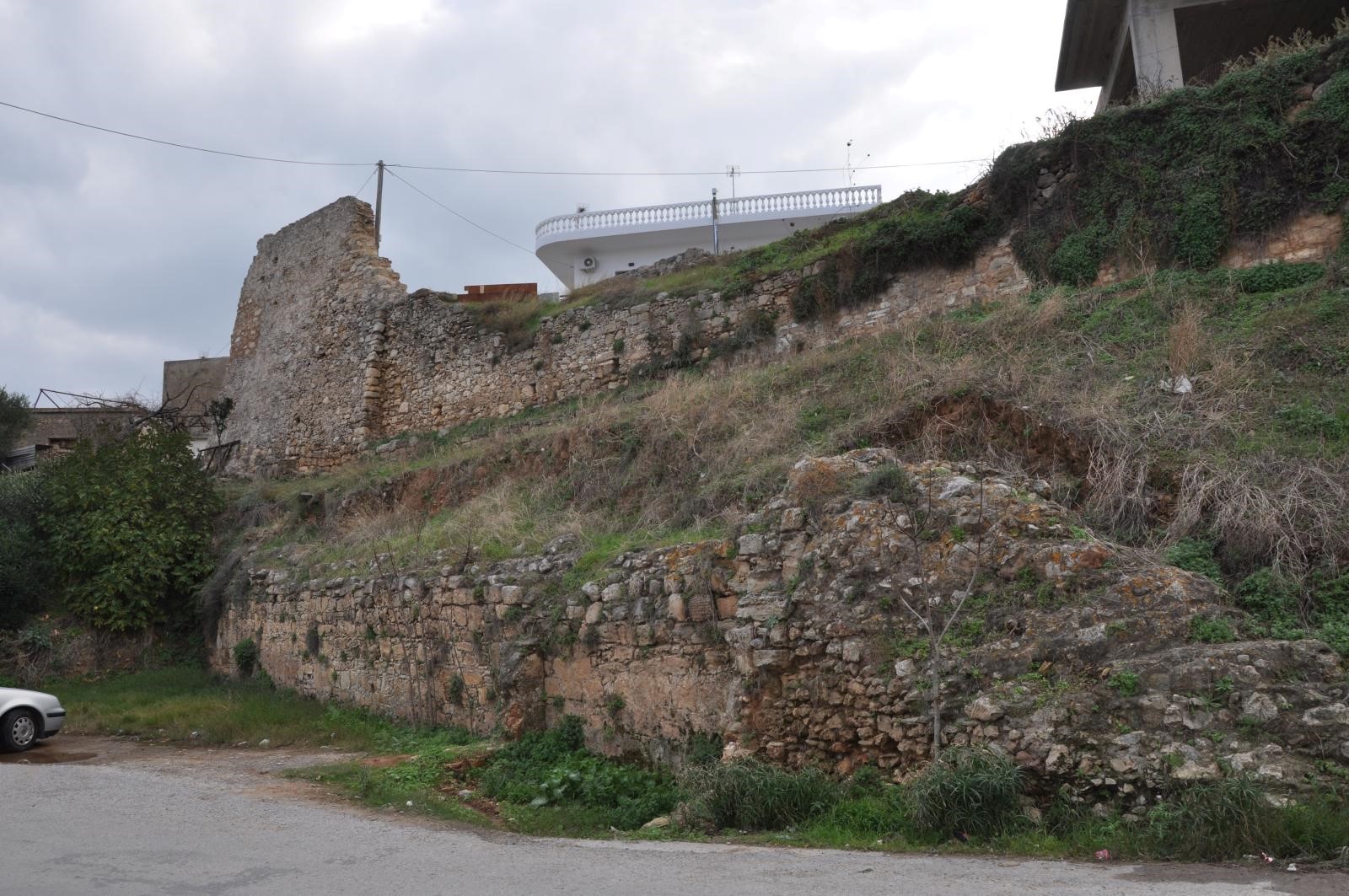
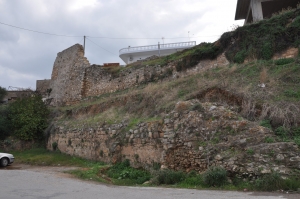
During Venetian rule, a settlement known as Kastelli developed around Castel Chissamo. The fortress had an irregular pentagonal plan and included barracks, prisons, churches and a well. It was repeatedly damaged by raids and earthquakes and continued to be used during the Ottoman period.
Kissamos and the surrounding province actively participated in the Cretan revolutions against Ottoman rule. The inhabitants also made an important contribution to the resistance against the German occupation during the Second World War.


 Beaches
 Nature
 Past
 Destinations
 Highlights
 West CreteCentral CreteEast CreteChaniaPaleochoraKissamosGeorgioupolisChora SfakionLoutroRethymnonAgia GaliniPlakiasSpiliAnogiaHeraklionHersonissosMaliaMatalaAgia Pelagia`ArchanesKokkinos PirgosAgios NikolaosEloundaSitiaIerapetraMakrigialosPalekastroZakrosLassithi Plateau


