








Kapetaniana village
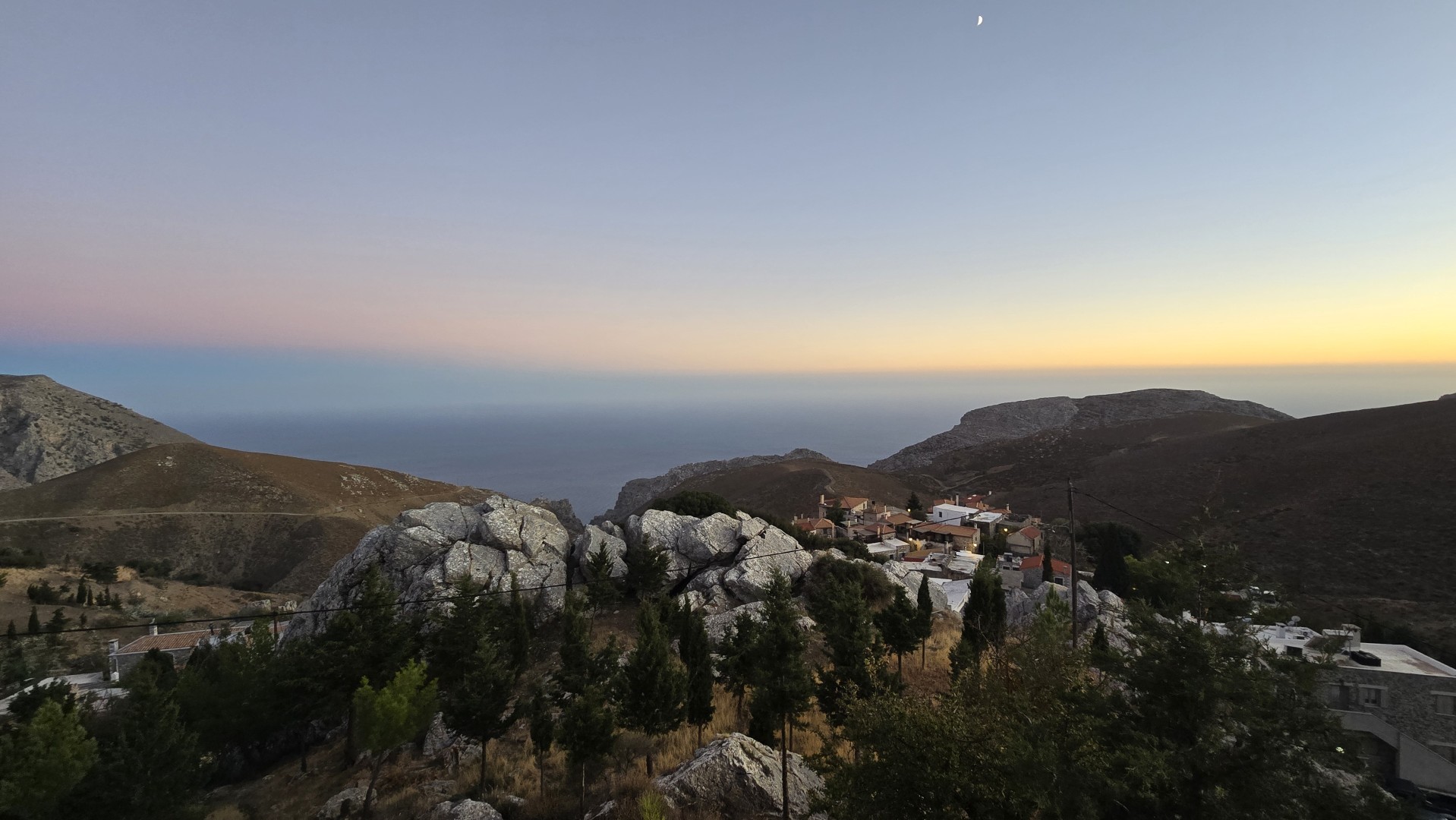
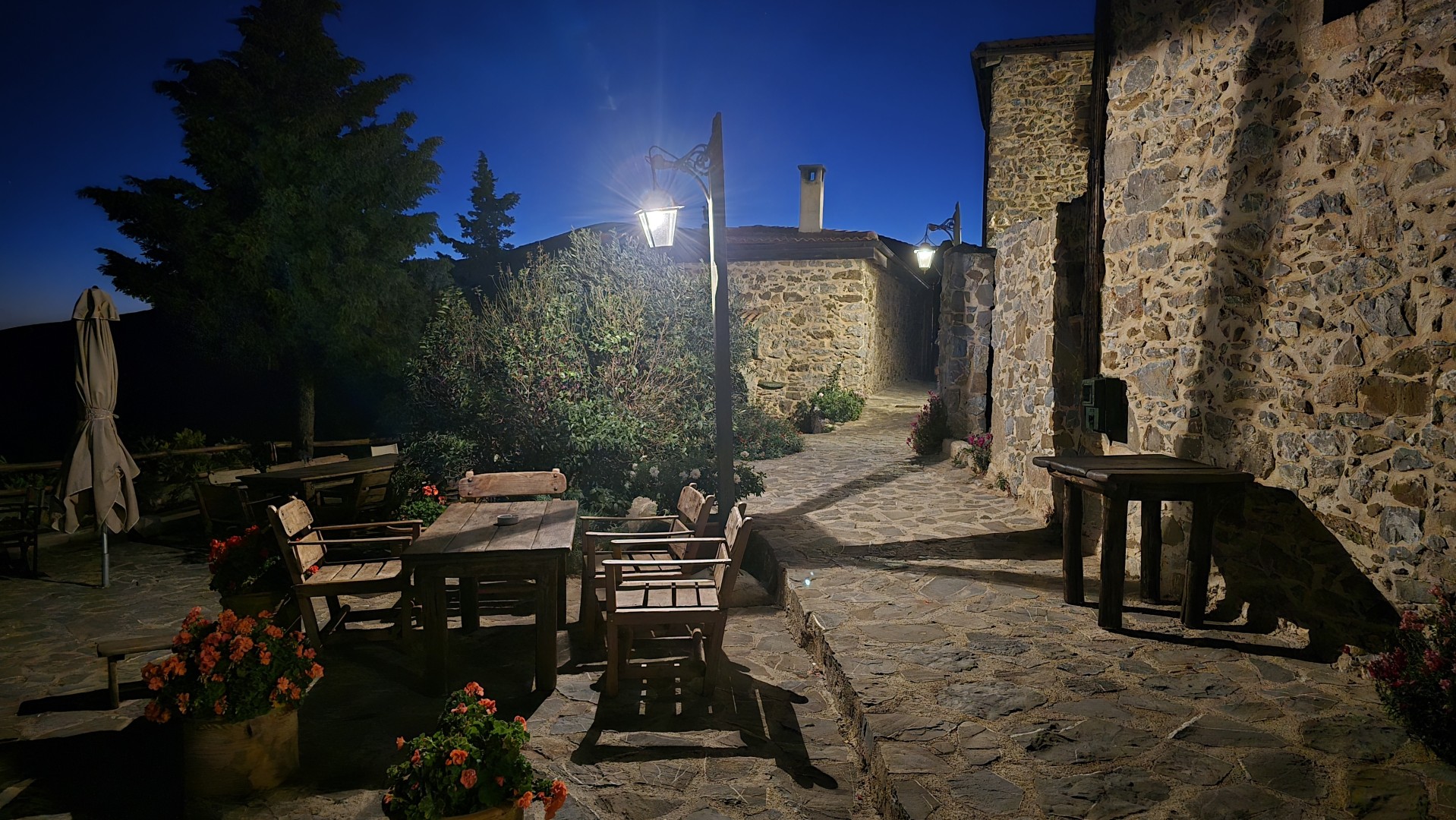
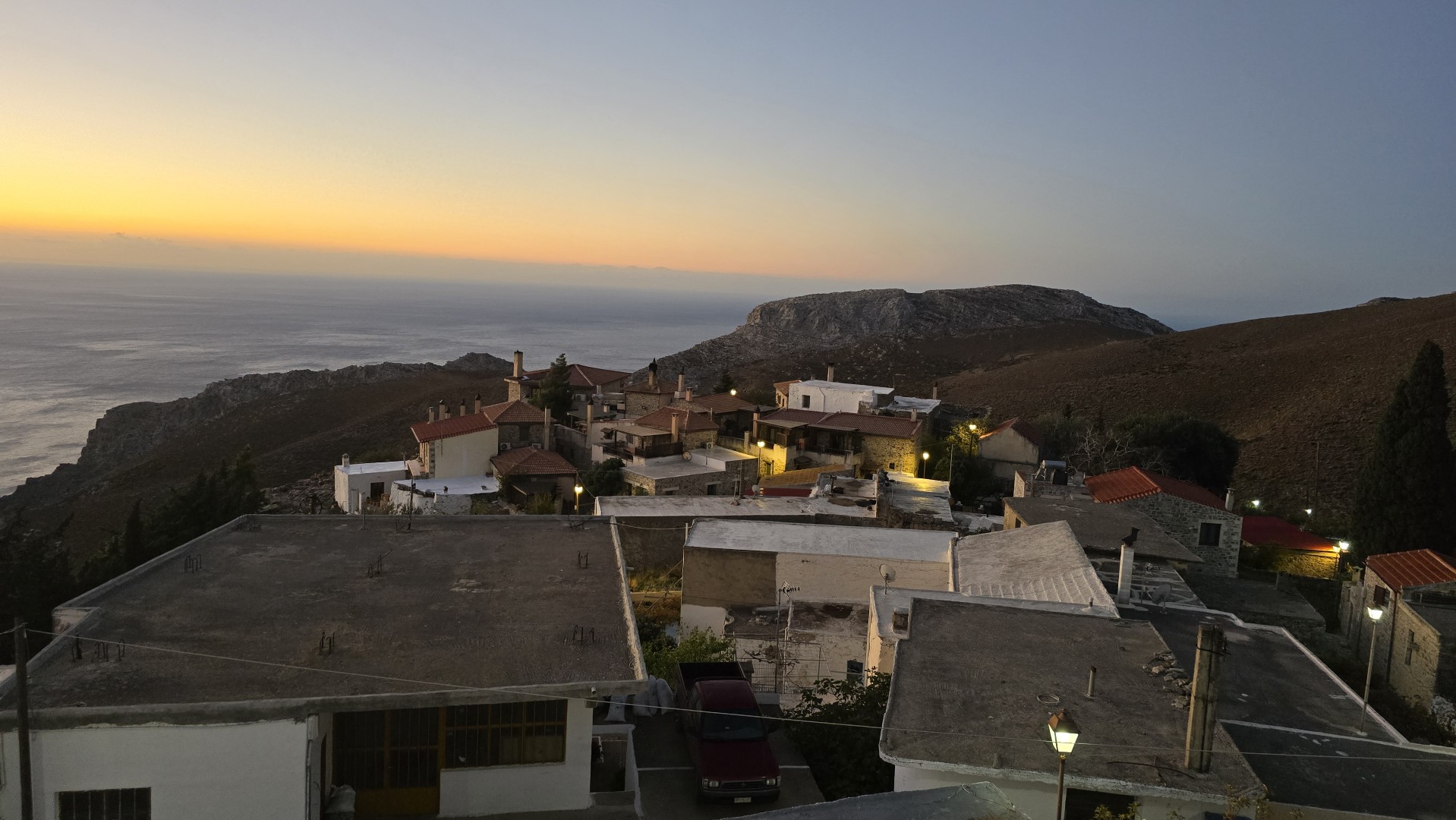
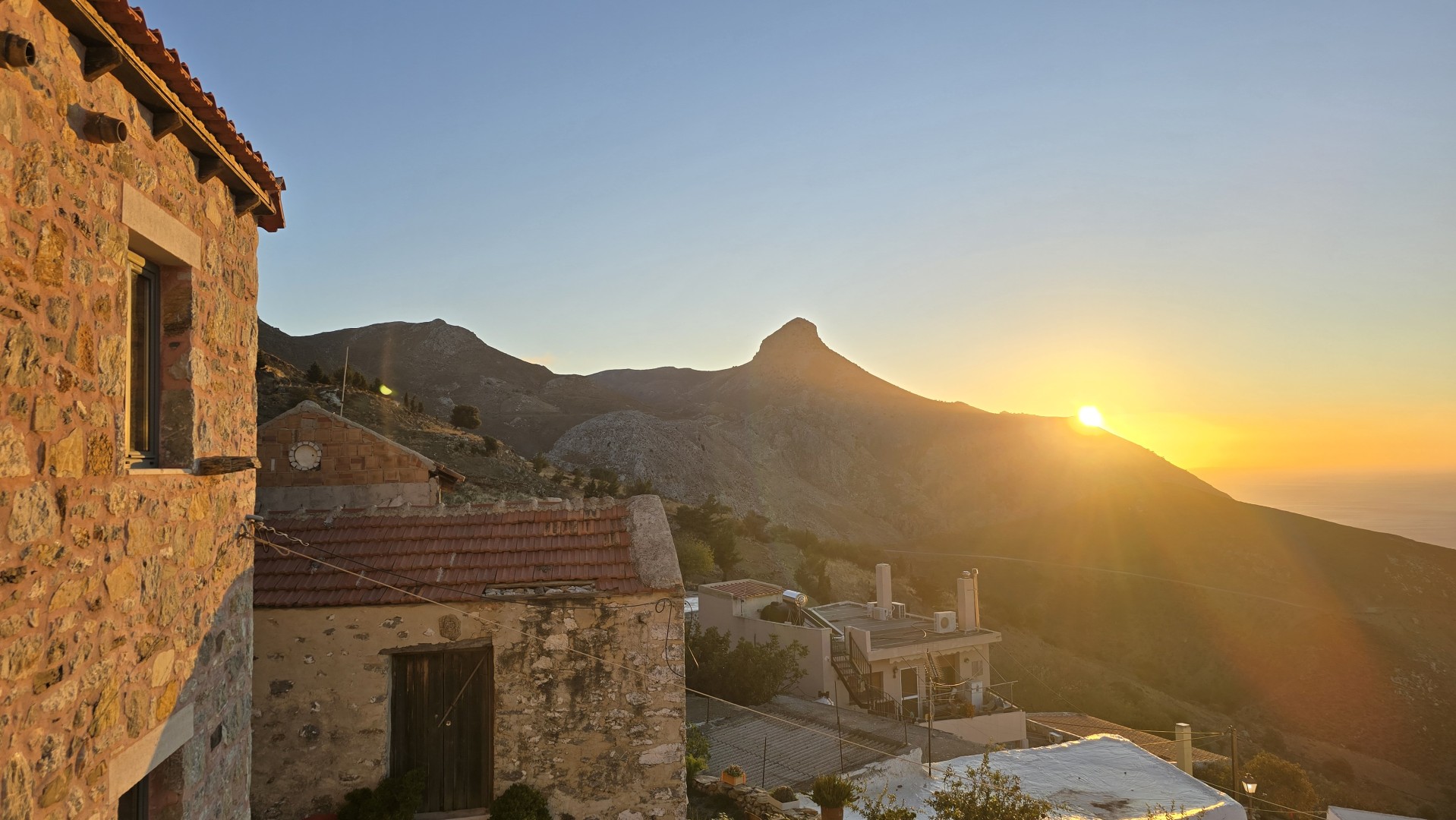
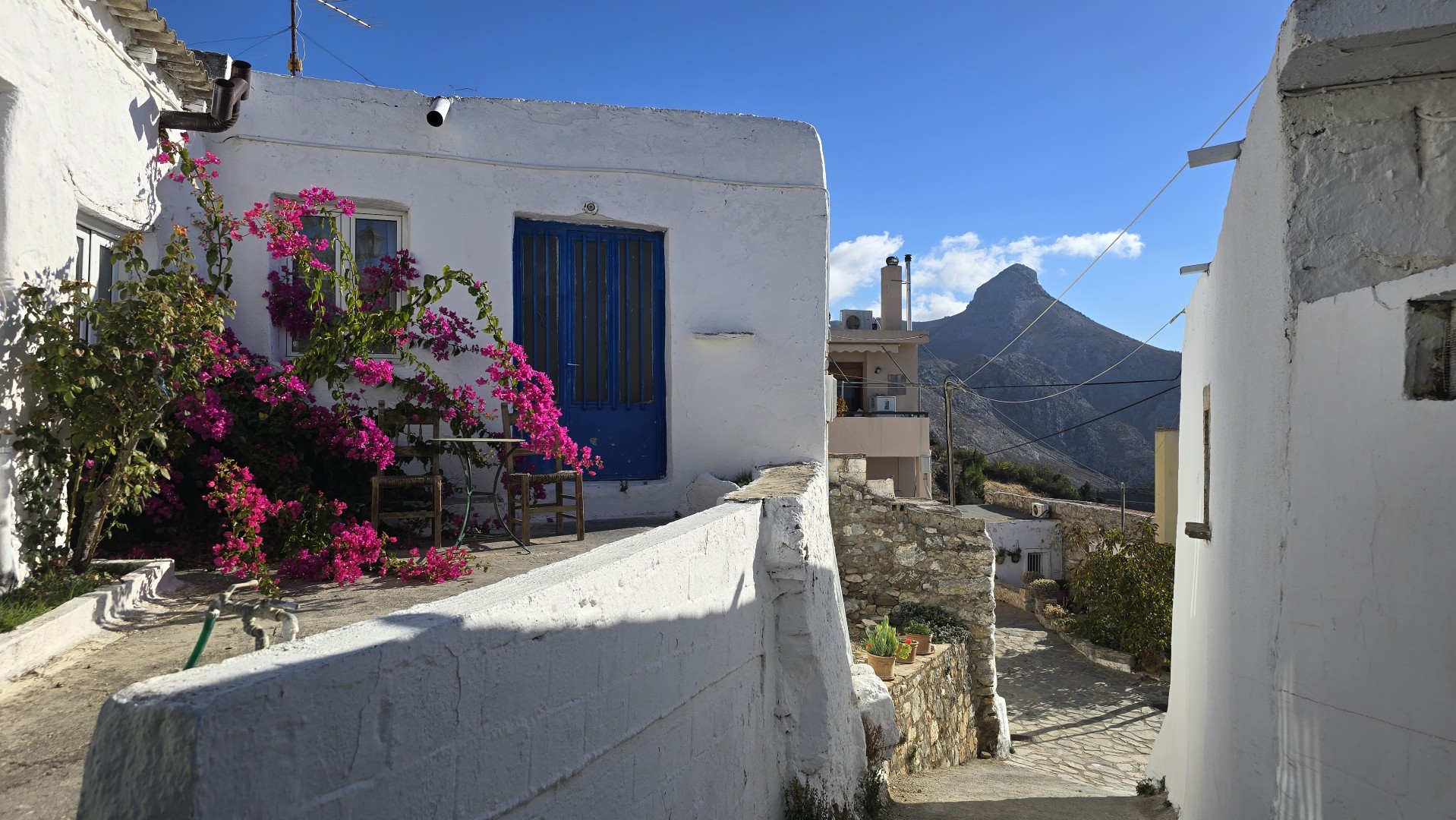
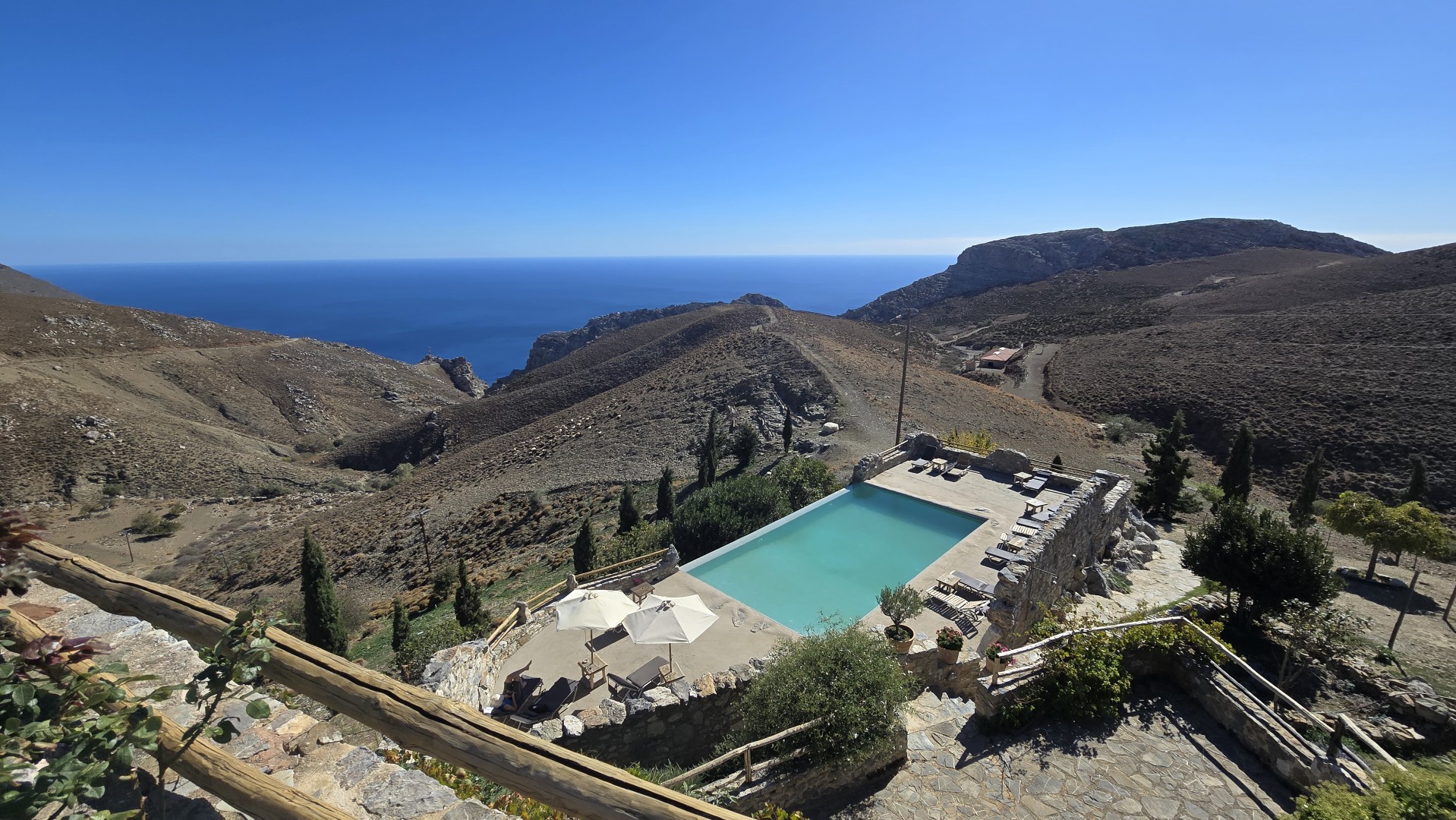
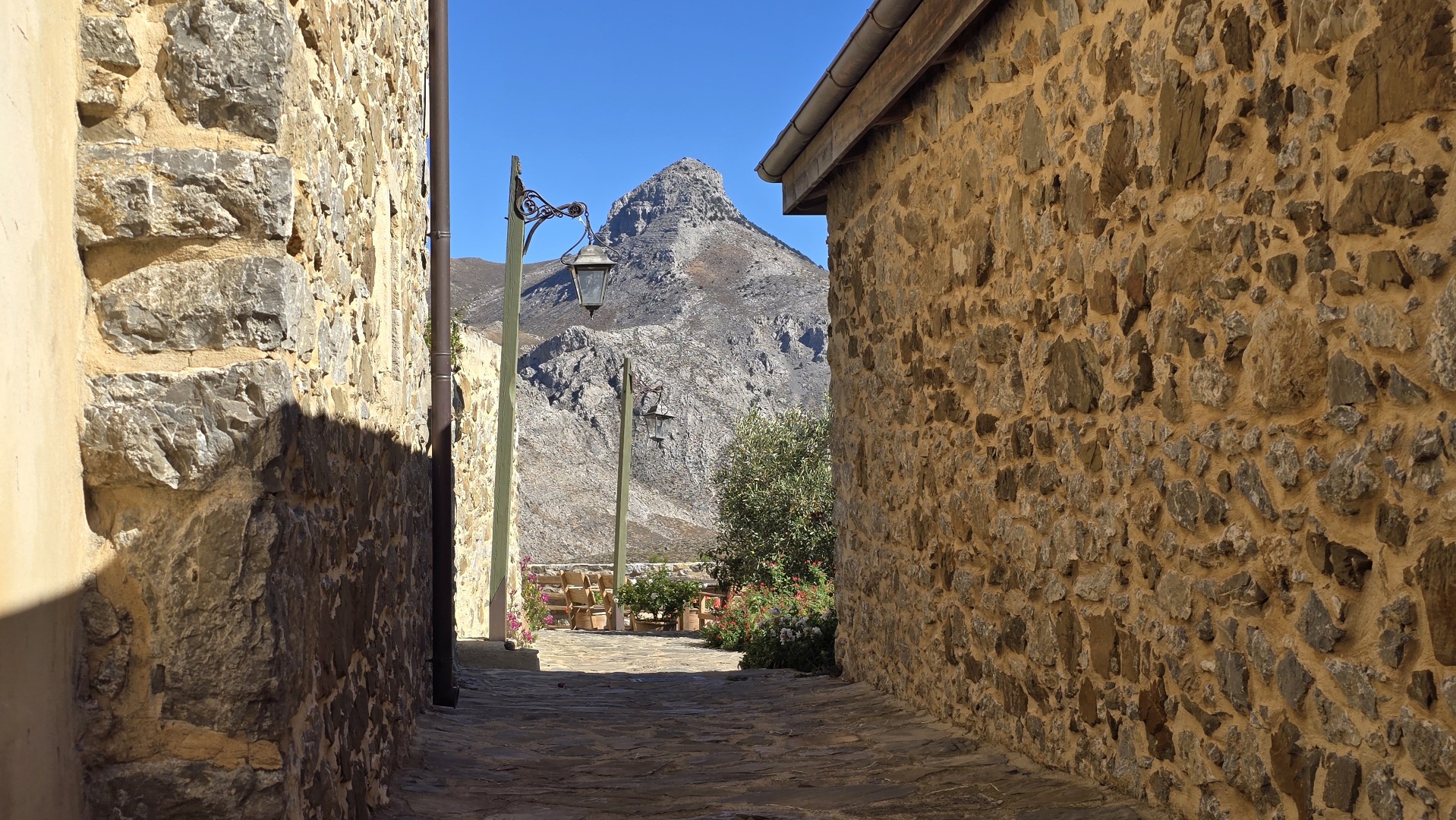
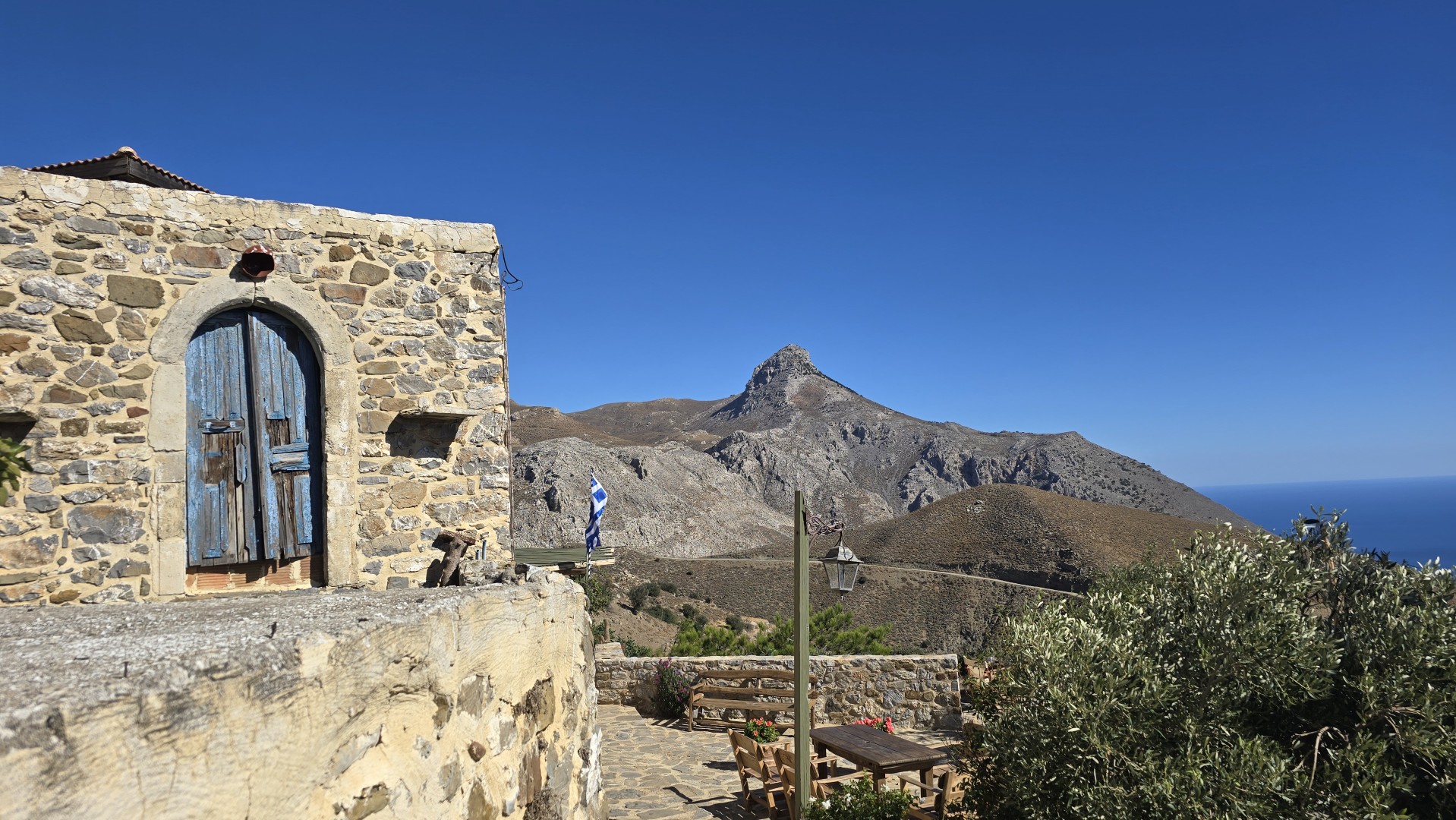
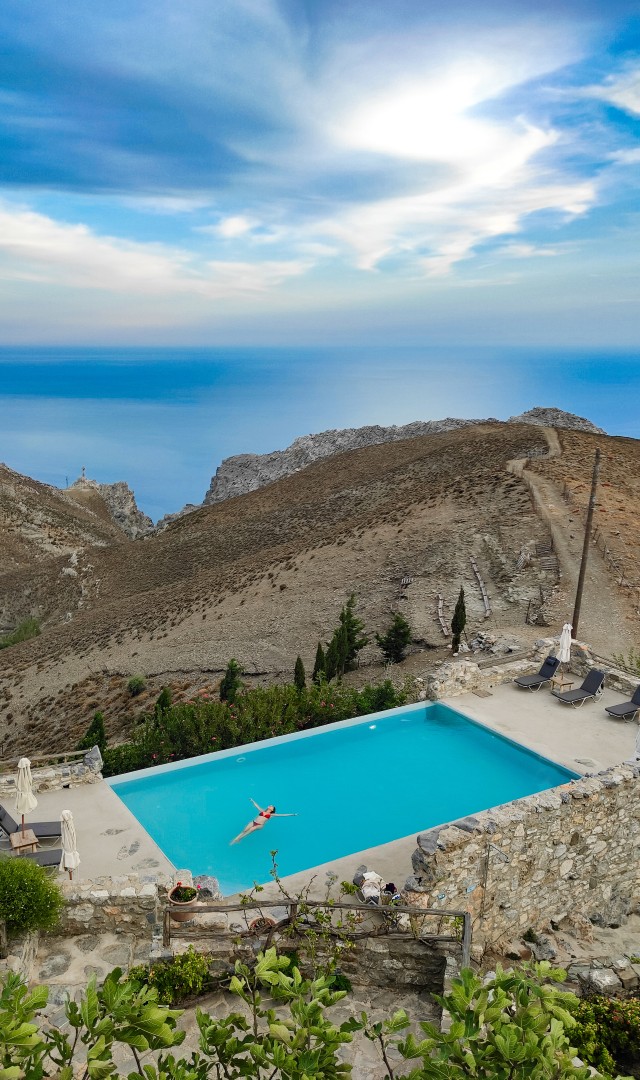
Kapetaniana is one of the most distinctive mountain villages in the historic province of Monofatsi, built on the southern slopes of the Asterousia Mountains at an altitude of approximately 750 metres. The village consists of Pano and Kato Kapetaniana and offers impressive views over the South Cretan Sea. Rising above the settlement is the imposing Kofinas, the highest summit of the Asterousia range.
The history of Kapetaniana is closely connected with the monastic tradition of the Asterousia Mountains, often described as the Mount Athos of Crete. The site of the present-day village was once occupied by the Monastery of Kyrie Eleison (Lord, have mercy), from which the old settlement took its name. The historic Church of Panagia, with its remarkable Byzantine frescoes, survives from the former monastic complex. The settlement was recorded as deserted in the census of 1744. Following the revolt of Daskalogiannis in 1770, families from Asfendou in Sfakia settled here and established a new village, initially known as Mikra Sfakia (Little Sfakia). The present name, Kapetaniana, is associated with the rebel captains and the important role played by local inhabitants in the Cretan uprisings of the 19th century.
Of particular historical interest is the nearby site of Lousoudi, below Kofinas Peak, where the historic Monastery of the Three Hierarchs is located. During the 14th century, the learned monk Joseph Philagris developed an important centre of philosophical and theological studies, where the works of Aristotle were among the subjects taught. The monastery housed a manuscript copying workshop, and several manuscripts produced there are now preserved in major libraries abroad. Archaeological excavations revealed the remains of the monastic complex and its workshop, while the church was restored and reopened in 2016. A settlement bearing the same name also existed in the area and is mentioned in a document dating from 1393.
A prominent figure in the more recent history of Kapetaniana was the renowned Greek composer Thanos Mikroutsikos (1947–2019), who maintained a holiday home here and regarded the village as his personal retreat. His presence connected Kapetaniana and the nearby coastal settlement of Agios Ioannis with contemporary Greek cultural life.
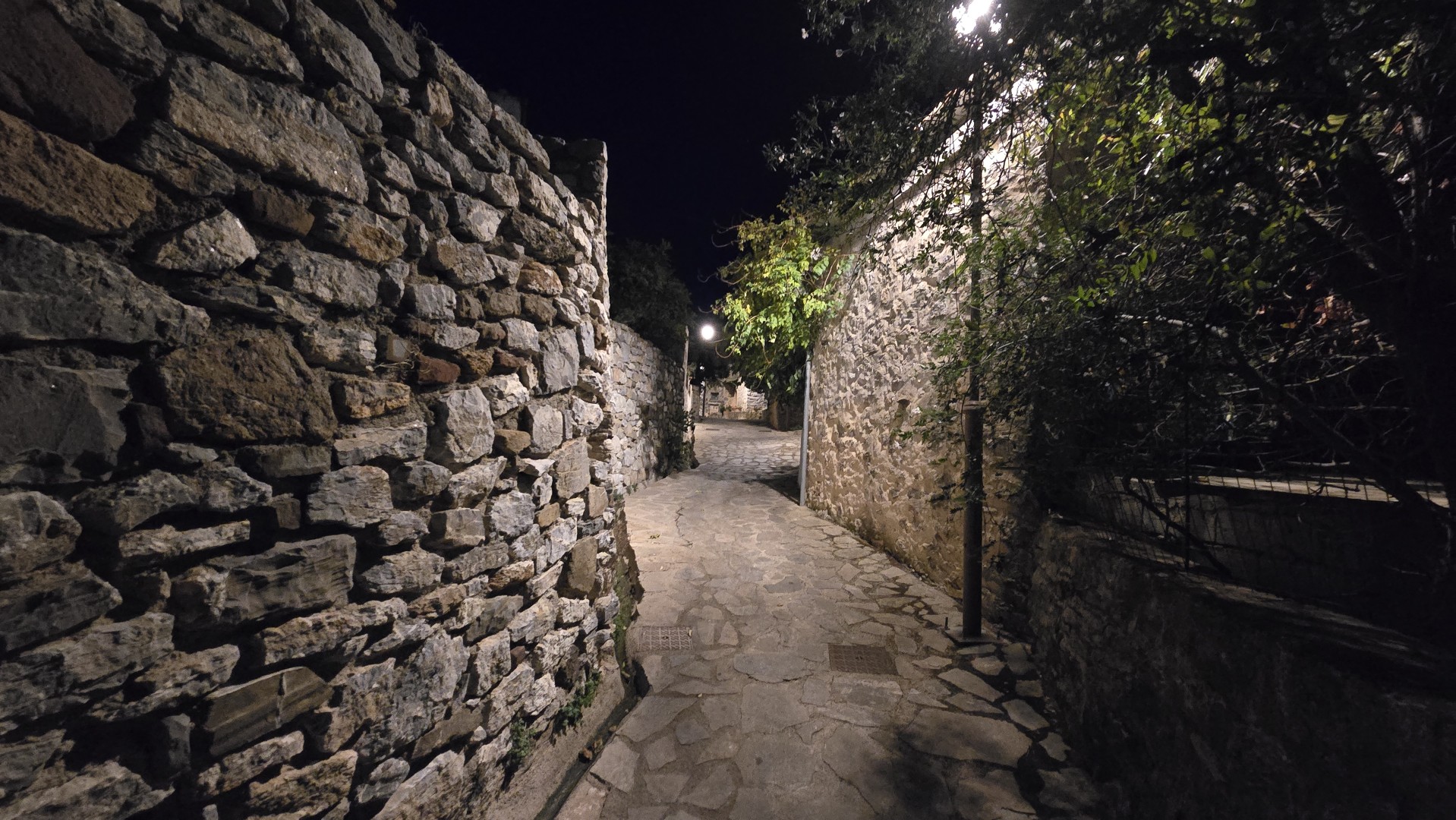
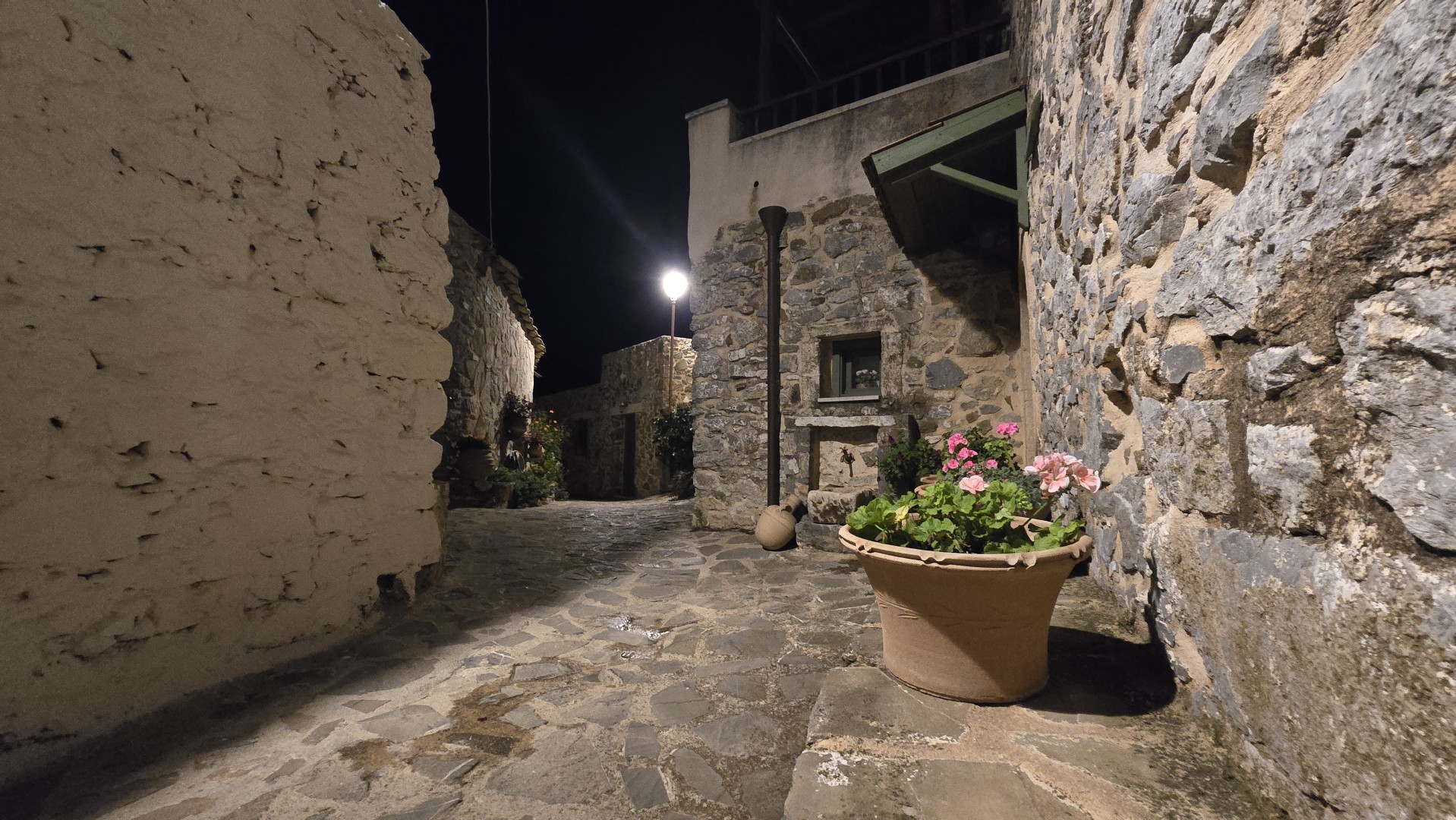
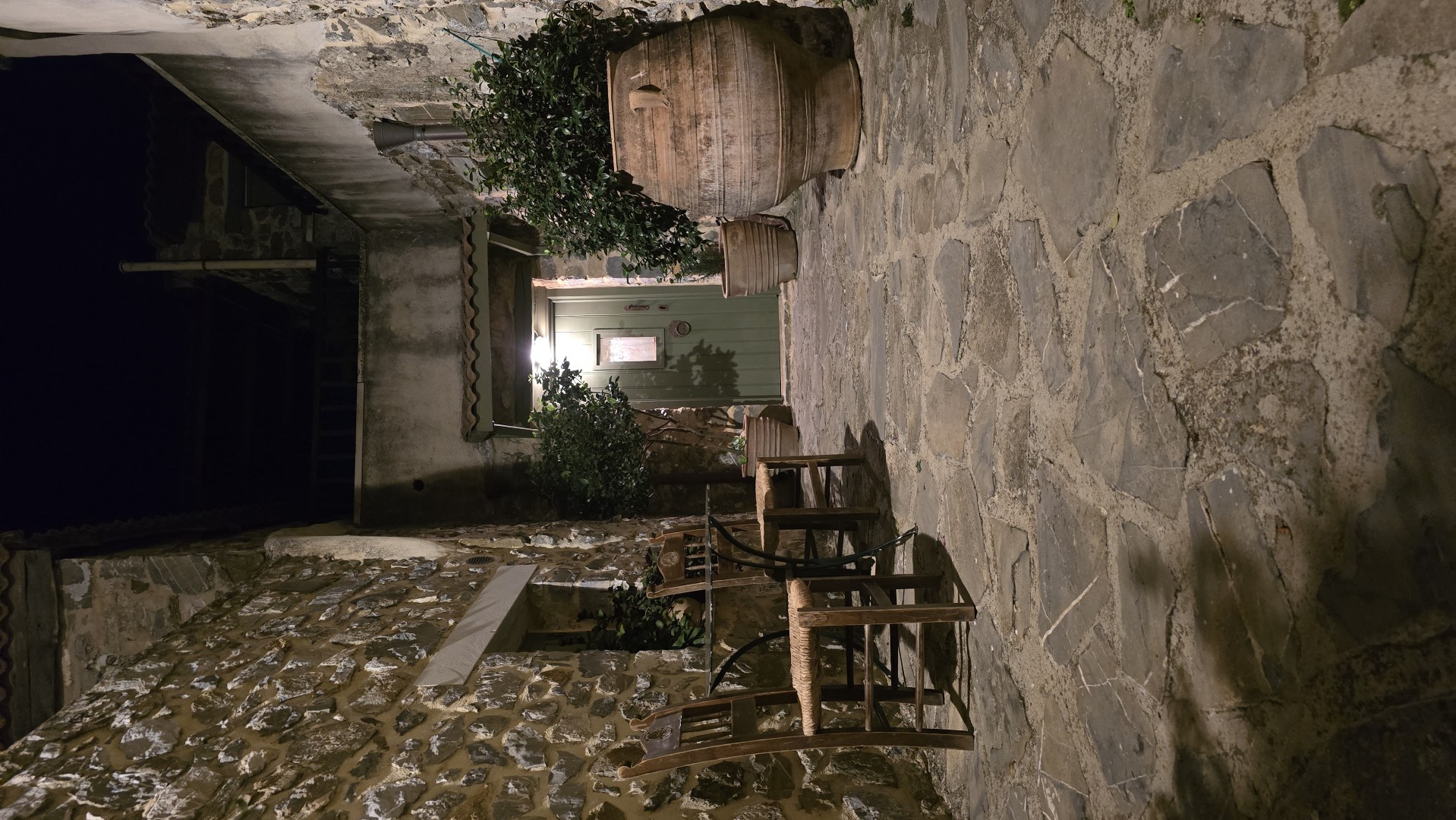
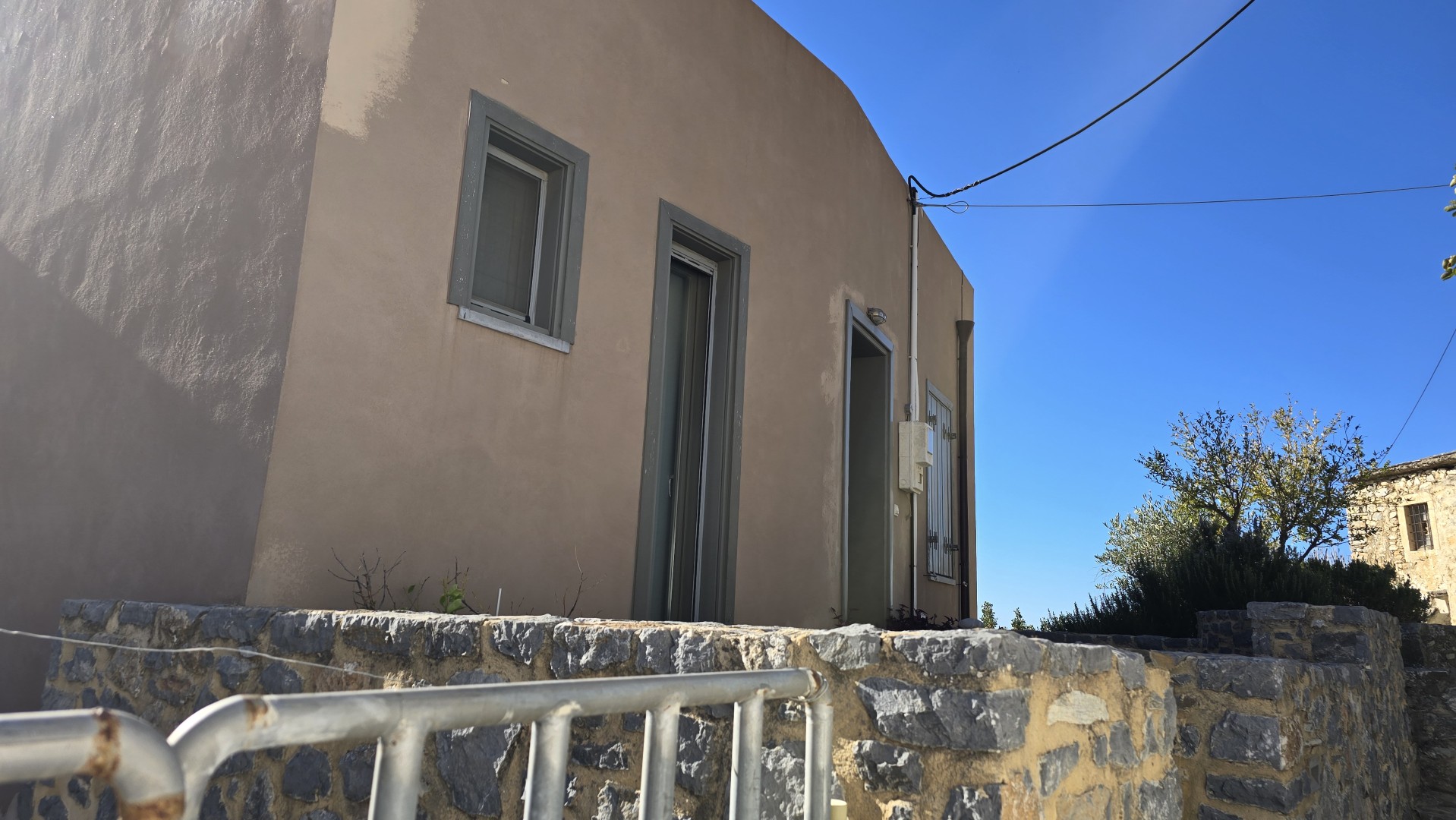
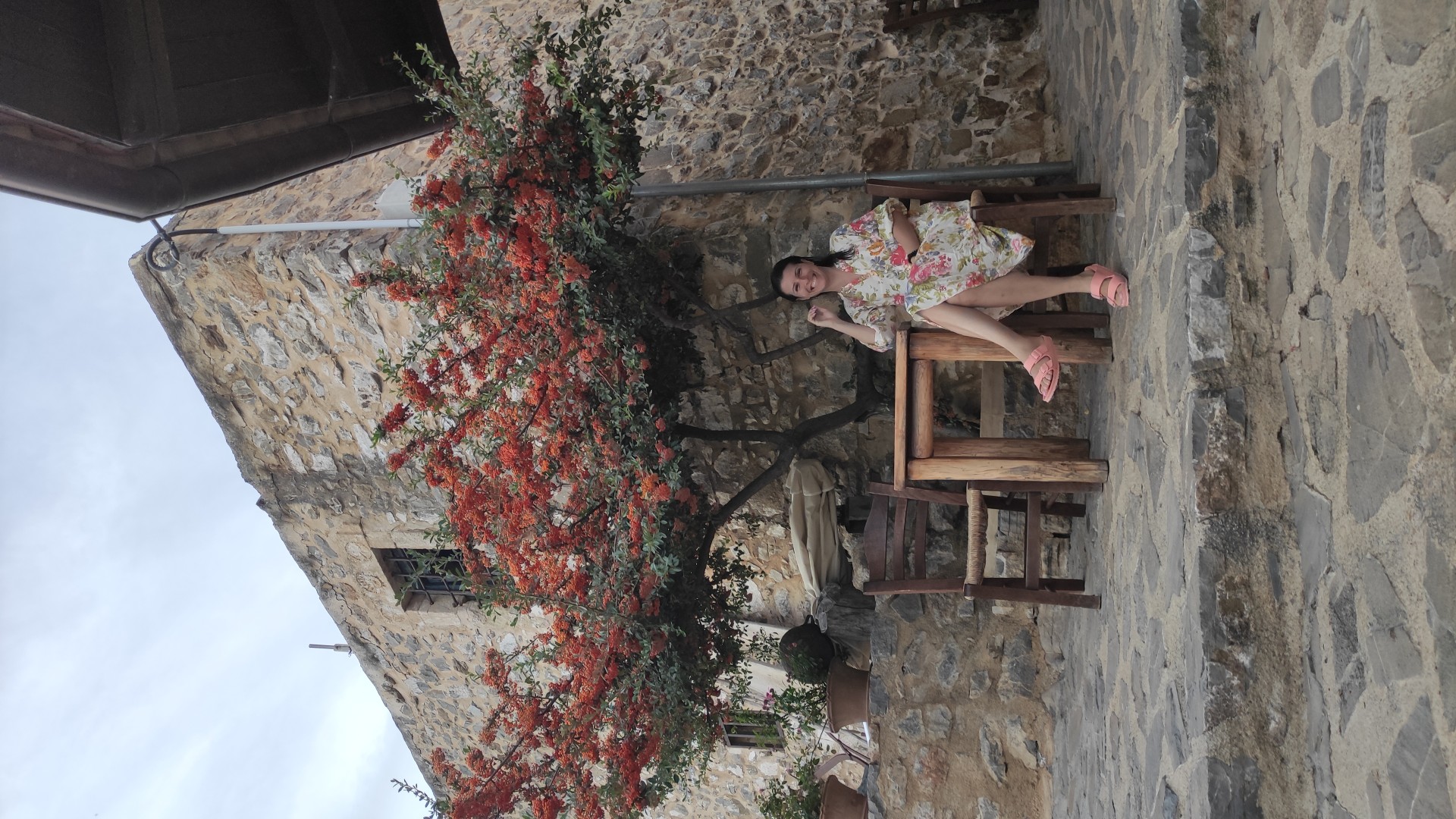
Kato Kapetaniana also experienced a notable revival, as abandoned stone houses were restored and given new uses, mainly as traditional guesthouses. Old paths connecting the settlements with monasteries, gorges and secluded stretches of the southern Cretan coast were also brought back into use, contributing to the development of low-impact mountain tourism.
Kapetaniana is an excellent starting point for exploring the Asterousia Mountains, with routes leading to the Kofinas Peak Sanctuary, Koudoumas Monastery, Agios Ioannis, Tripiti and the secluded coastline of the area. The rugged mountain landscape, steep slopes, deep gorges and rich birdlife create a distinctive natural environment where history, ascetic traditions and contemporary cultural life coexist.
 Stay nearby
Nearby places of interest
Straight-line distances
 0.1 km
Church of Panagia at Kapetaniana
5.197
 0.6 km
Temple of Michael Archangel, Kapetaniana
4.600
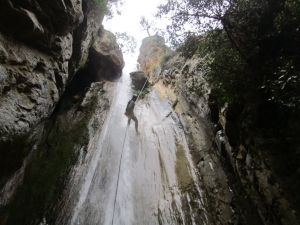 1.3 km
Goula Gorge
10.434
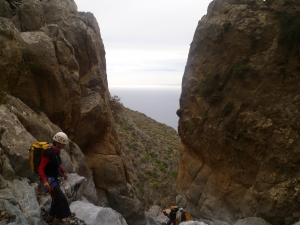 1.4 km
Eligia gorge (Valahas)
7.330
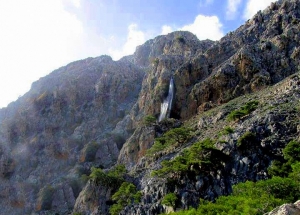 1.6 km
Koumos Gorge
5.025
 1.7 km
Gerakia Gorge
2.379
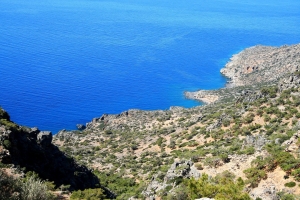 2 km
Trail Kapetaniana - Agios Ioannis - Salamias
5.608
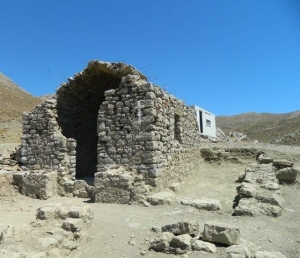 2.1 km
Filagris Monastery at Lousoudi
4.691
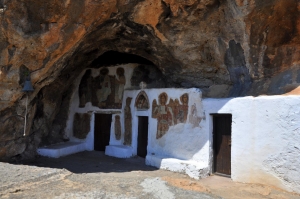 2.2 km
Saint John monastery by Kapetaniana
5.414
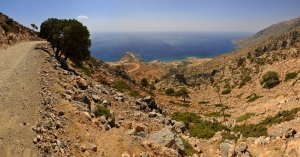 2.6 km
Agios Ioannis beach
20.418
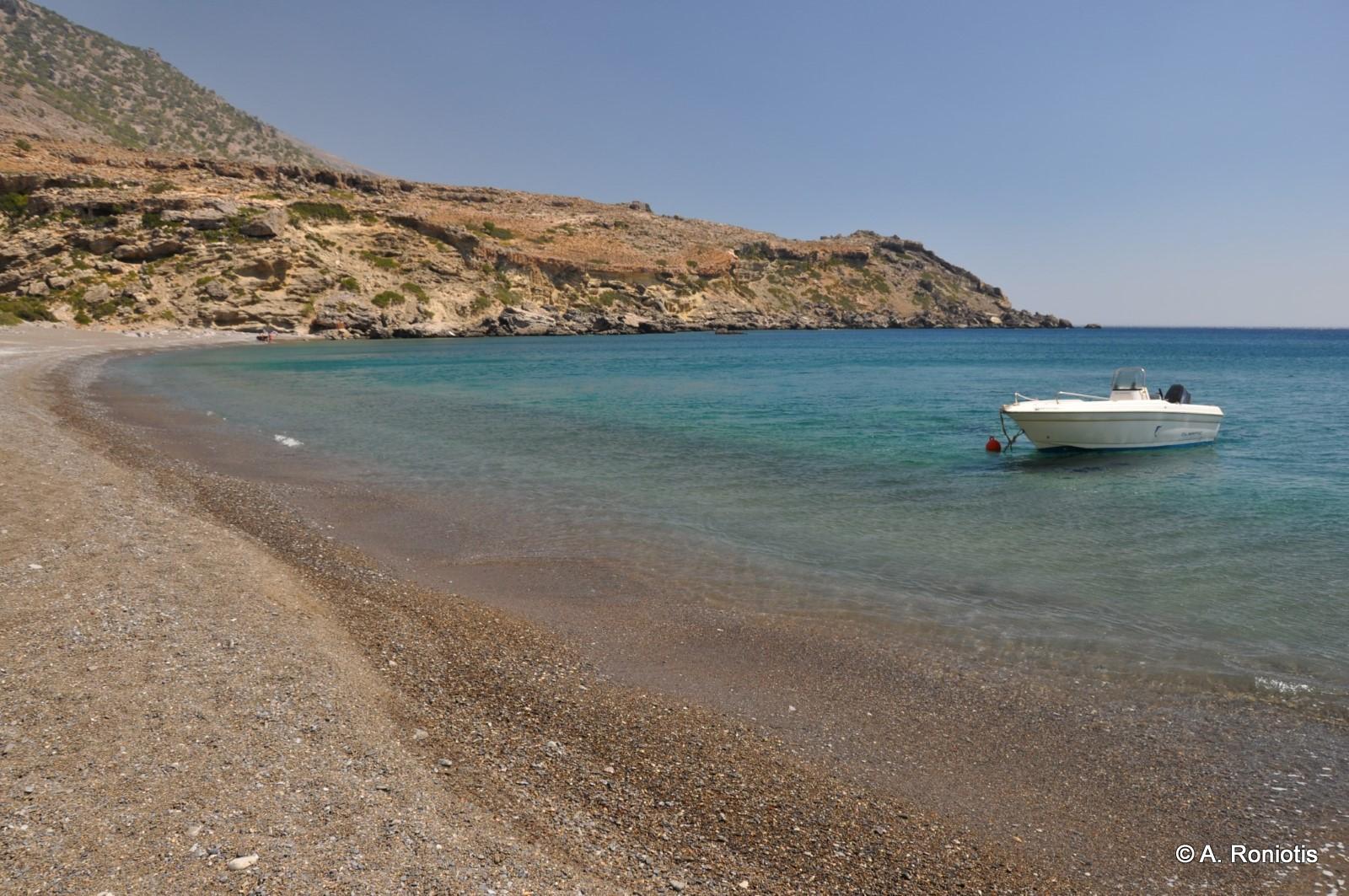 2.7 km
Elygia Beach
1.263
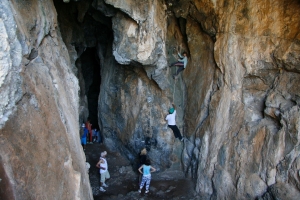 2.7 km
Cave Peristeras at Salamias
3.716
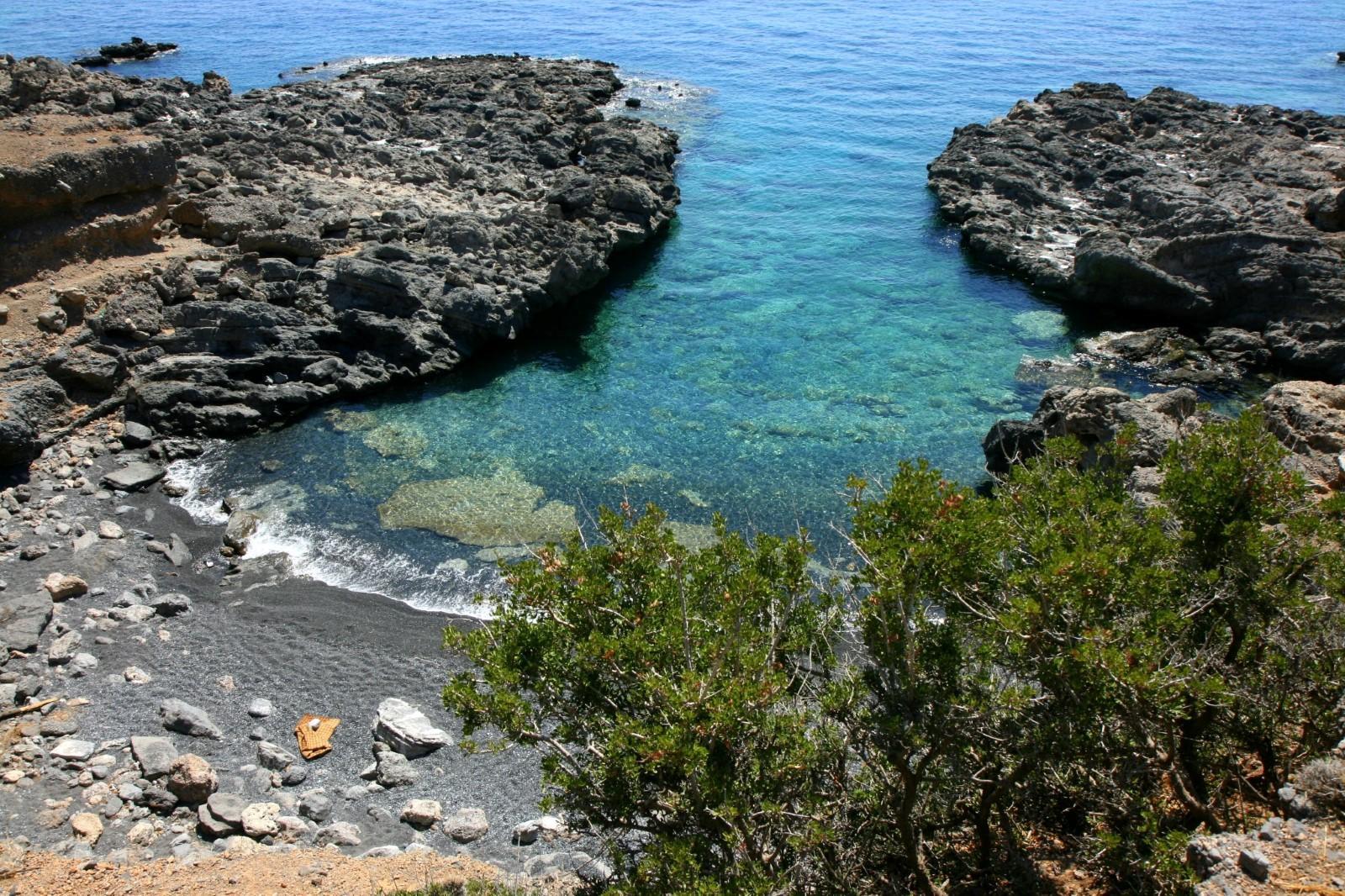 3.2 km
Agadiko beaches
1.056
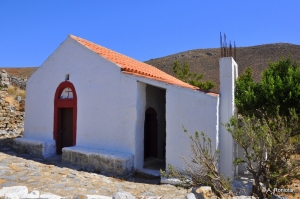 3.2 km
Zoodochos Pigi Monastery at Kapetaniana
2.098
 3.2 km
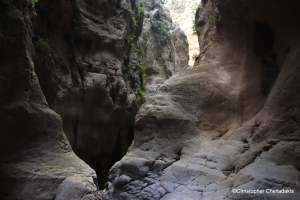
Pastrikos Gorge
3.042
 3.3 km
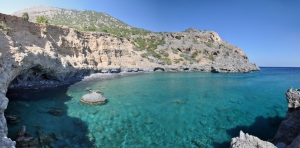
Agios Antonios beach
26.348
 3.4 km
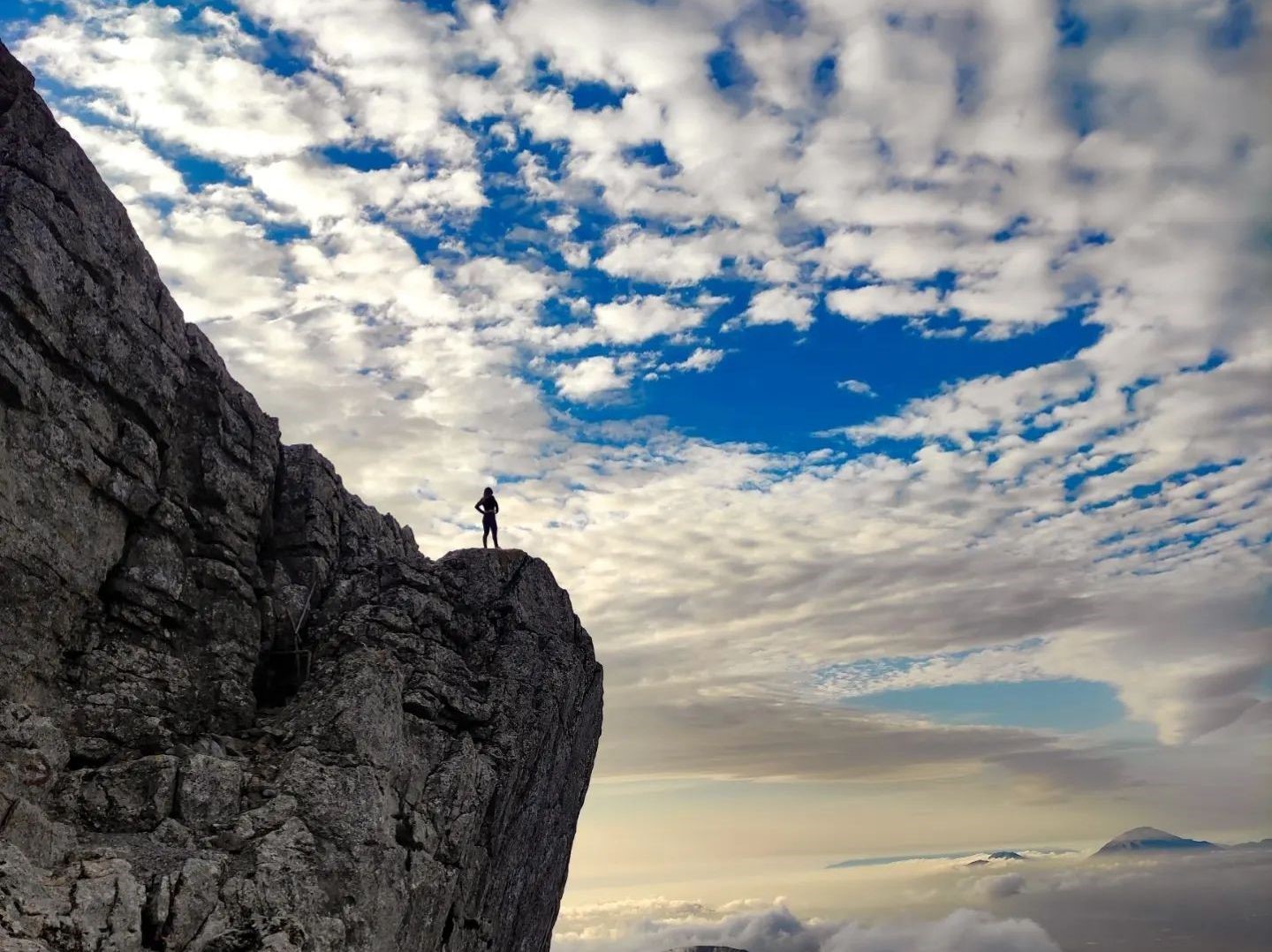
The Asterousia range
14.891
 3.4 km
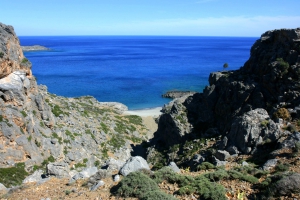
Salamias beaches
11.845


