Adventure and Outdoor

Activities

Crete

Outdoor Activities

Crete is a heaven for nature lovers and those combining adventure and fun on their vacation. The island offers a variety of activities and opportunities for exploring nature and promises a unique and unforgettable experience for those who decide to explore it.

With its magnificent nature and constant landscape alternation, Crete of four seasons never gets boring. The first visit to Crete is usually followed by a second, as visitors are enchanted by the beauty of the island. 

Guests can choose among many activities, depending on their interests. Especially for nature lovers, this place is a real paradise!

Hiking, canyoning, climbing, scuba diving, horse riding, caving, trekking, skiing, mountain climbing, parasailing, windsurfing, and kitesurf are some of the activities that Crete offers. All those are combined with a great variety of lodging options; from small family hotels or agritourism cottages to luxurious all-inclusive hotels.

Agritourism units and specialized tourist agencies offer seminars for gathering herbs, snails, mushrooms, and truffles in the countryside. Similarly, they organize tours for acquainting visitors with traditional rural occupations, such as the cultivation of olive or vine, production of honey and more.

Hiking

Hiking

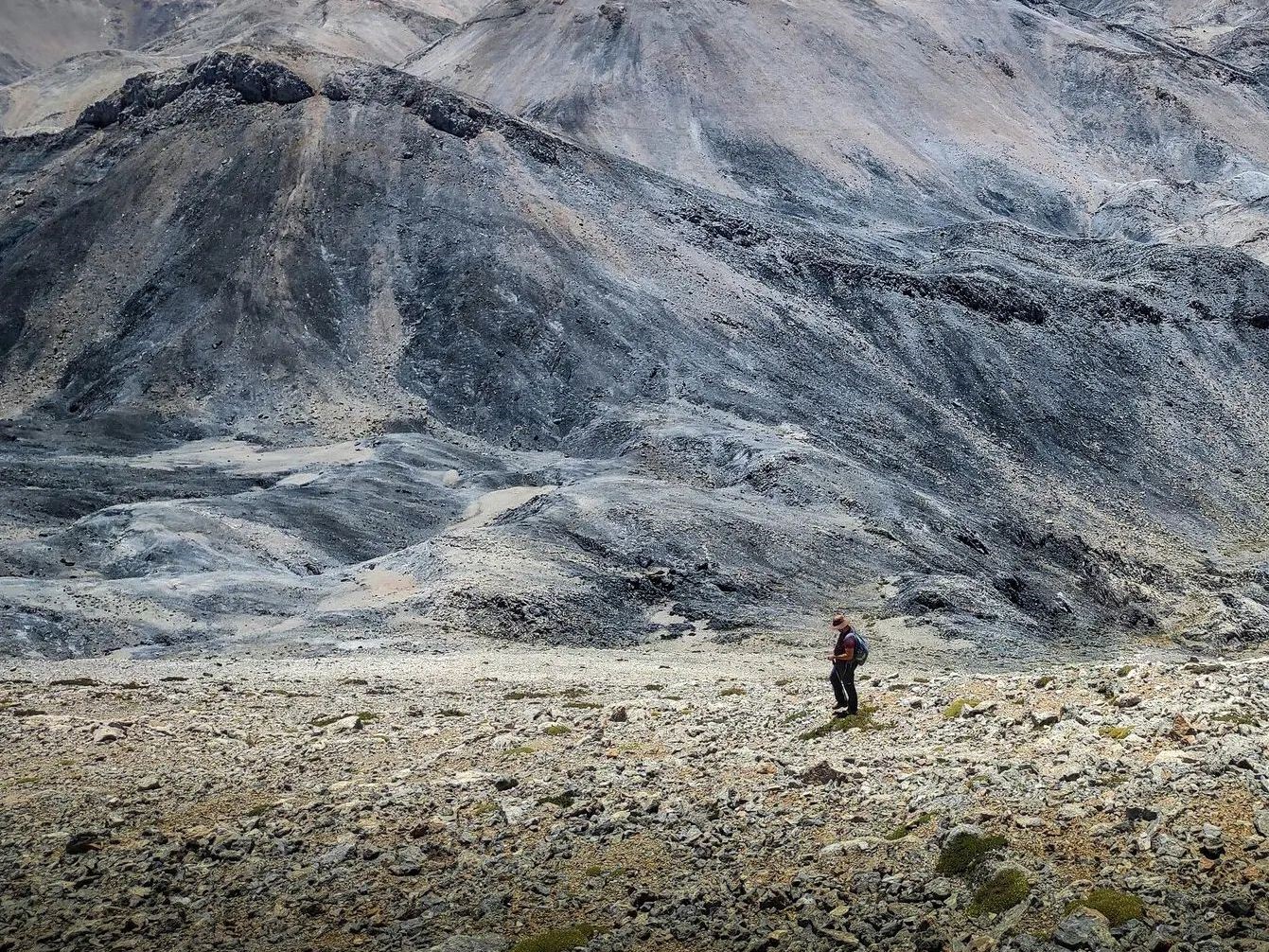
The best way to explore Crete is to walk off the beaten track, beyond the places reached by car, follow ancient paths, explore the magnificent scents of herbs in the canyons, climb on the tops of the highest mountains and enjoy the view to the deep blue Cretan and South Cretan Sea on the horizon. A large part of trails runs through areas that have been declared protected. The most famous of these is the National Reserve of the White Mountains (Lefka Ori), one of the seven reserves of Greece, which is home to Samaria Gorge. Other protected areas of outstanding natural beauty, such as areas labeled as Natura 2000, are the entire ranges of Dikti, Ida (Psiloritis), Kedros, Asterousia, Youchtas and Thripti, the peninsulas Gramvousa, Rodopos and Sidero, all the islands that surround the island and special sites like Lafonissi, Georgioupolis, Cape Lithino, the rocky coastline west of Rethymnon, etc. Moreover, lovers of geo-tourism can discover new places, especially after the declaration of Psiloritis Range and Sitia mountains as designated Geoparks. Such projects aim at promoting such places and providing information about them. Many travel agencies offer packages and expert guides for trekking on the island and there are many hiking and mountaineering clubs. Important mountain races are also organized, such as Psiloritis Race and the Marathon of Samaria.

Read more ...

Snow sports

Snow sports

Apart from Cretans, most visitors ignore that the snowy peaks of the Cretan mountains in winter are ideal for snow sports. Alpinism, ski mountaineering and snow kite are becoming more and more popular to locals and visitors.

Read more ...

Caving

Caving

Crete’s extensive limestone formations, rugged karst landscape and the continuous action of water have created thousands of caves, sinkholes and deep vertical cave systems. The island’s underground world is of exceptional geological, hydrological and biological importance, making Crete one of the most significant destinations for speleological exploration in Greece. Caving is not simply a visit to a cave, but an activity combining exploration, surveying and scientific research. Speleologists study the formation and morphology of caves, underground watercourses, mineral formations and the organisms that have adapted to life in complete darkness. Many Cretan caves also possess considerable archaeological, historical and religious significance. The island’s most important caving areas include the White Mountains, the Psiloritis UNESCO Global Geopark, the Sitia UNESCO Global Geopark and Mount Stroumboulas. The Sitia Geopark alone contains one of the island’s richest karst landscapes, with more than 170 documented caves. The two deepest known caves in Greece are located in the White Mountains. Gourgouthakas reaches a depth of 1,208 metres, while the Liodari or Lion Cave reaches 1,110 metres. Both are highly demanding underground systems with vertical shafts, underground pools and sumps, and can only be explored by properly trained and equipped caving teams. Several caving and mountaineering clubs operate on Crete, contributing to the exploration, surveying and conservation of caves, as well as the training of new cavers. Visitors should never enter an undeveloped cave alone, even when its entrance appears easily accessible. Exploration requires specialist training, a helmet, reliable backup lighting, appropriate equipment and a team familiar with cave-rescue procedures. Caves are extremely sensitive ecosystems. Visitors must never break or touch mineral formations, leave rubbish or disturb bats, especially during breeding and hibernation periods. Archaeological finds, bones and other objects must remain in their original position and should be reported to the appropriate authorities. [widgetkit id=1549]

Read more ...

Canyoning in Crete

Canyoning in Crete

Crete’s rugged relief, extensive limestone formations and the erosive action of water have created hundreds of gorges, many of which contain steep drops, narrow passages and impressive waterfalls. Some can be crossed on foot, while technical canyons require specialist knowledge and canyoning equipment. Canyoning, also known as canyoneering, combines hiking, rappelling, swimming and movement through narrow passages and natural pools. Depending on the route, season and water conditions, it may also involve descending waterfalls, sliding down natural rock chutes and jumping into pools. Jumps are never compulsory and should only be attempted after an experienced guide has checked the depth and conditions. Crete’s best-known technical canyons include the imposing Ha Gorge and the highly demanding Arvi Gorge. Arvi features the approximately 85-metre Kapnistis waterfall, after which the river enters a dark underground section for about 150 metres. Popular locations for training and shorter technical descents also include Tsoutsouras Gorge, Panagia Keralimeniotissa Gorge, or Kalami I, and Xerofarago Gorge, or Kalami II. The difficulty of a canyon can change considerably according to water flow, season, weather conditions and the condition of its fixed anchors. Technical canyons should only be descended by a properly trained team or under the supervision of an experienced, qualified guide. Essential equipment includes a helmet, canyoning harness, ropes, suitable footwear and descending equipment, as well as a wetsuit in aquatic canyons. Before entering a canyon, the weather forecast must be checked across the entire drainage basin, not only at the canyon entrance. A storm several kilometres away can cause a sudden and extremely dangerous flash flood. The group should know the available escape routes, carry first-aid and emergency equipment and inform another person of the planned route and expected return time. Canyoning groups must respect the natural environment, avoid disturbing wildlife and leave no rubbish behind. Fixed anchors should never be assumed to be safe without inspection, as floods, corrosion and rockfall may damage them between descents. [widgetkit id=1548]

Read more ...

Cycling in Crete

Cycling in Crete

Crete offers excellent opportunities for road cycling, mountain biking and exploration along unpaved tracks. Its rugged terrain, constantly changing scenery and extensive network of country roads allow cyclists to travel through olive groves, vineyards, traditional villages, plateaus and remote coastal landscapes. Cycling is one of the best ways to discover the Cretan countryside. Quiet roads between villages are suitable for leisurely rides, while the island’s considerable elevation changes and demanding climbs appeal to more experienced cyclists. The mountains also contain numerous dirt roads, old trails and agricultural tracks suitable for mountain bikes and gravel bikes. Where to cycle in Crete Popular areas for cycling include the plateaus of Lassithi and Nida, the Amari Valley, Apokoronas, the countryside of Heraklion, the Messara Plain and the mountainous landscapes around Psiloritis, Dikti and the White Mountains. Eastern Crete also offers rewarding routes through arid landscapes, small plateaus and isolated settlements, providing a very different cycling experience. Bicycle rental services can be found in the main towns and organised tourist resorts, while guided cycling excursions are also available. Before renting a bicycle, make sure that it is suitable for the route you intend to follow and that its brakes and tyres are in good condition. A basic repair kit and spare inner tube are particularly important on longer or remote rides. Practical advice Distances in Crete may appear short on a map, but steep gradients, winding roads and strong winds can considerably increase the duration and difficulty of a ride. Spring and autumn usually offer the most comfortable conditions. During summer, cycling should be avoided during the hottest hours of the day. In the mountains, weather conditions can change rapidly, while snow and ice are possible during winter. A helmet, sufficient water, sun protection, lights, reflective clothing and a basic repair kit are essential. Remote routes do not always have springs, shops or reliable mobile-phone coverage, so careful preparation is necessary. Cyclists should also respect private land, livestock enclosures, protected natural areas and any paths on which cycling is prohibited.

Read more ...

Horseback riding

Horseback riding

Horse riding offers a distinctive way to explore the Cretan countryside at a relaxed pace. Organised routes may cross olive groves, agricultural landscapes, small gorges, traditional villages and coastal areas. Several riding clubs, schools and equestrian centres across the island offer lessons and guided excursions. Activities range from short rides suitable for beginners and families to longer countryside excursions for riders with previous experience. Depending on the location, routes may follow rural tracks, valleys, mountain paths or beaches. The duration and difficulty of each excursion should be selected according to the rider’s age, physical condition and riding experience. Crete’s equestrian tradition Crete has a long association with horse breeding and the use of horses in rural life, transport and local celebrations. A particularly important part of this tradition is the Messara or Georgalidiko horse, a native Cretan breed known for its endurance and distinctive lateral gait, locally called aravani. Georgalidiko horses were traditionally used for transport and agricultural work because they were well suited to the island’s rugged and rocky terrain. Today they are mainly associated with recreational riding, breeding, equestrian demonstrations and cultural events that preserve Crete’s horse-riding heritage. Practical information Before joining an organised ride, participants should accurately describe their experience and inform the guide of any relevant health conditions. A properly fitted riding helmet should be worn throughout the excursion, while closed shoes and long trousers are recommended. Children should only join activities suitable for their age and must remain under appropriate supervision. During the warmer months, morning and late-afternoon rides are generally more comfortable. Before booking, ask about the duration, difficulty, terrain, required equipment and the operator’s animal-welfare practices. Horses should appear healthy and well cared for, receive adequate rest and be matched appropriately to the size and experience of each rider.

Read more ...

Bird watching in Crete

Bird watching in Crete

Crete lies along an important migration route between Europe and Africa. Every spring and autumn, large numbers of migratory birds stop at the island’s wetlands to rest and feed. At the same time, the mountains, gorges and steep coastal cliffs support important populations of birds of prey and other resident species. Bird watching is possible throughout the year, although the spring and autumn migration periods provide the greatest variety. Lakes, seasonal marshes, river mouths, lagoons and salt pans attract herons, ducks, waders and numerous smaller migratory birds. Vultures, eagles, falcons and other raptors can be observed in the mountains and gorges. Lakes and inland wetlands The largest natural lake on the island is Lake Kournas, near Georgioupolis. Smaller natural or seasonal ponds occur at Tersanas, Gergeri, Mohos, Thrapsano, Parakalouri, Ziros, Omalos near Viannos and Achendrias. Important habitats have also developed around artificial lakes and reservoirs. Notable locations include Lake Ayia, Bramiana Dam, Aposelemis Dam, Faneromeni Dam, Potami Dam and Votomos Lake at Zaros. Coastal wetlands and river mouths Waders and waterbirds gather at the mouths of the Aposelemis, Anapodaris, Almiros near Gazi, Megalos Potamos at Preveli, Almiros near Agios Nikolaos, Kyliaris and the rivers around Georgioupolis. Other valuable sites include the salt pans of Xerokambos, the salt pans of Elounda, the marshes of Malia and Katalyki, and the wetland of Falassarna. Water levels and the diversity of birds at many seasonal wetlands vary considerably according to rainfall. Birds of prey Mountain ranges, gorges and steep cliffs are the best environments for observing Crete’s raptors. Important areas include Mount Jiouchtas, Rouvas Forest, Greleska, the Thripti range, Mount Kofinas, the Omalos Plateau and Prassano Gorge. Observation should always take place from a safe distance, particularly near nesting cliffs and vulture feeding sites. Responsible bird watching Binoculars, a telephoto lens and an up-to-date identification guide are useful equipment. Early morning and the hours before sunset are generally the most productive periods. Visitors should keep away from nests and breeding colonies, remain quiet and avoid using recorded bird calls. Wild birds should never be approached or fed, and photography must not cause distress or force a bird to leave its nest.

Read more ...

Air Sports in Crete

Air Sports in Crete

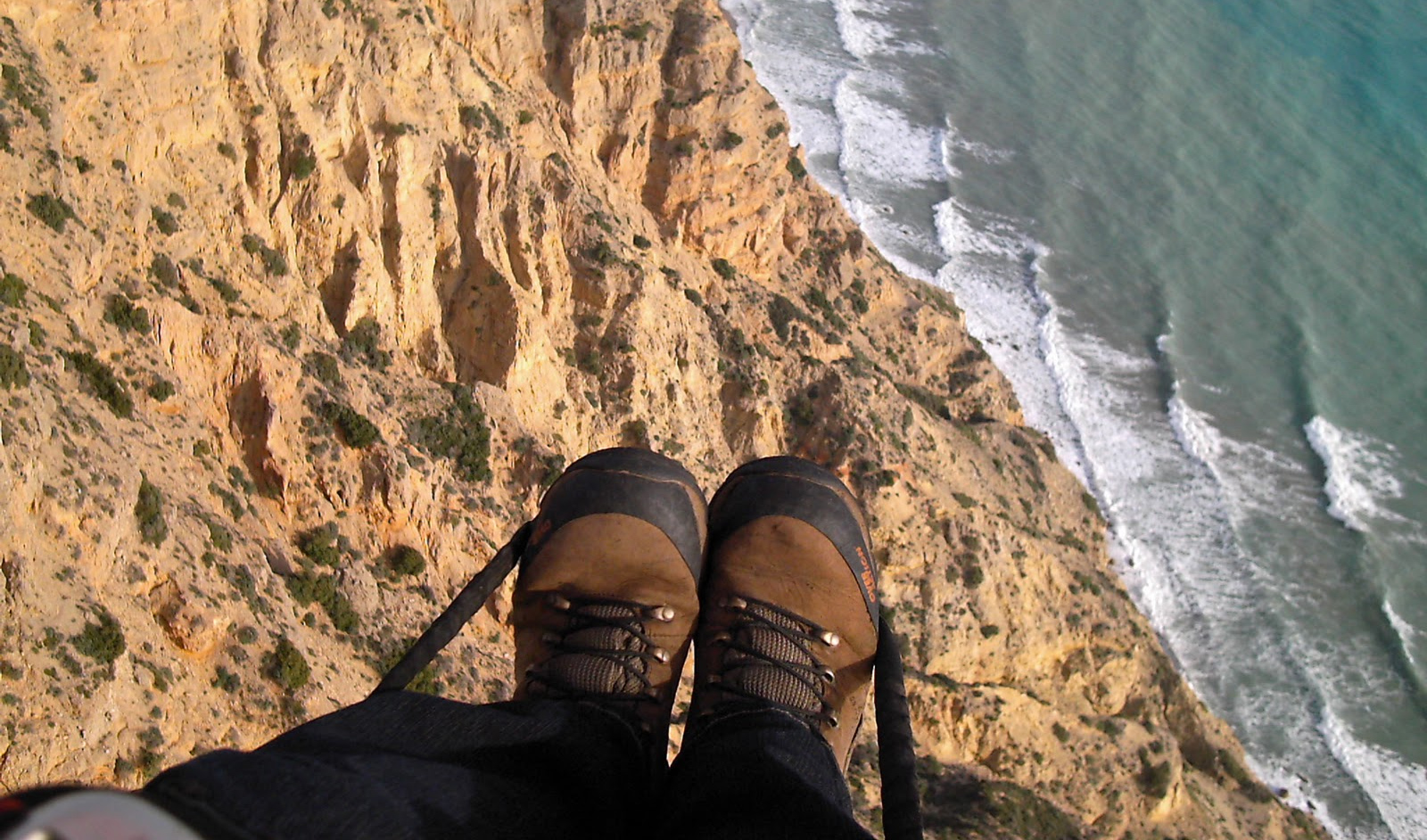
Crete, the island associated with Daedalus and Icarus, has mountain ranges, steep slopes and open landscapes suitable for several forms of air sport. Activities practised on the island include paragliding, powered paragliding or paramotoring, aeromodelling, general aviation and, when the necessary operational and licensing arrangements are available, skydiving. Paragliding in Crete is the most accessible air-sport experience for visitors without previous training. During a tandem flight, the passenger flies together with a suitably trained pilot, who manages the takeoff, flight and landing. Every flight depends on wind direction and strength, cloud cover, thermal activity and the overall weather conditions. Flying areas The slopes of Crete provide opportunities for both coastal flights and flights over the island’s interior. Established activity areas can be found in western Crete, near Chania and Falassarna, and in central Crete around Avdou. However, not every hillside is a suitable takeoff site, and flying conditions can change rapidly during the same day. Independent pilots must obtain current information about each site, the permitted takeoff and landing areas, controlled airspace, nearby airports and any temporary restrictions. Flying close to airports, military installations or restricted areas is not permitted without the required authorisation. Paramotoring, aeromodelling and other activities A paramotor combines a paraglider wing with an engine carried on the pilot’s back or mounted on a wheeled frame. Unlike unpowered paragliding, it does not rely entirely on rising air currents, although wind and local weather conditions remain critical to safe operation. Air-sport associations and aeromodelling groups also operate in Crete. Competitions, training activities and opportunities for visitor participation may change, so arrangements should be confirmed directly with a recognised club or approved training organisation. The availability of skydiving flights should not be assumed without recent confirmation from an authorised operator. Safety Training and flights should only be undertaken through approved schools and suitably qualified pilots. Before a tandem flight, participants should receive information about the equipment, takeoff and landing procedures, weight restrictions and any health conditions that may affect participation. A helmet and the appropriate safety equipment are essential. A flight may be postponed or cancelled when weather conditions are unsuitable. This is a normal and important safety decision. Participants should never pressure a pilot to fly when conditions are considered unsafe. Particular care is necessary during summer, when strong thermal activity and local winds may cause rapid changes in flying conditions.

Read more ...

Off-road exploration

Off-road exploration

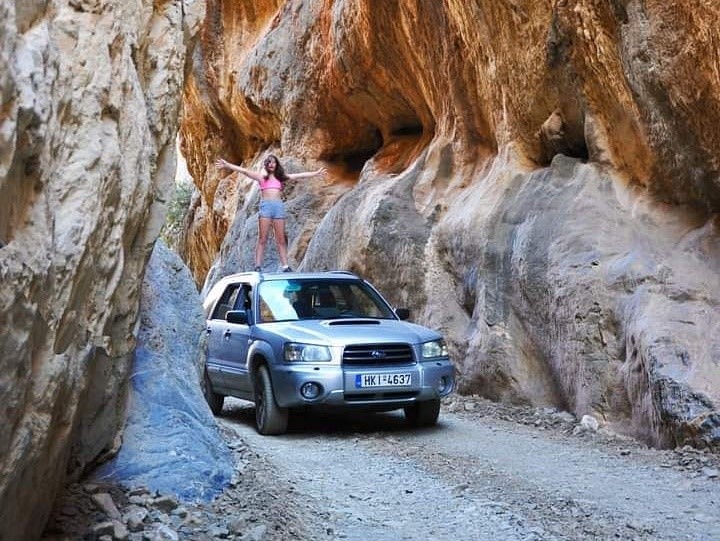
Crete is an exciting destination for travellers who wish to explore beyond its main roads. A wide network of country lanes, farm tracks and mountain roads crosses landscapes that remain largely untouched, leading through olive groves, plateaus, gorges and remote settlements. Depending on the route, the journey may offer panoramic views of the mountains or the sea and reveal a quieter side of the island. Off-road exploration does not mean driving away from existing roads or tracks. Many areas include private land, protected habitats, grazing grounds and routes that may be closed temporarily. Visitors should always respect signs, gates and local instructions and avoid driving on beaches, dunes, riverbeds and hiking paths. Choosing a route The mountainous areas of Crete contain numerous unpaved roads, but their condition varies considerably. A road that appears easy on a map may become steep, rocky or badly eroded, particularly after heavy rain. Snow, fog and landslides can also affect higher routes during winter and spring. Before setting out, check the weather, road conditions and the suitability of the vehicle. Download an offline map, carry sufficient water and fuel and inform someone about the planned route. Mobile phone coverage is unreliable in many isolated valleys and mountainous areas. Vehicles and organised excursions A four-wheel-drive vehicle may be necessary on rough mountain roads, although it cannot make every route safe or accessible. Drivers should know how to use the vehicle correctly and should never attempt a steep or damaged track merely because they are travelling in a 4x4. Several local companies organise guided excursions by 4x4 vehicle, motorcycle or ATV. A guided tour can be a practical option for visitors unfamiliar with the island, as local guides know the condition of the roads and the places where access is permitted. Before booking, check what is included, the type of vehicle, the required driving licence, insurance coverage and the safety equipment provided. Visitors using a rental vehicle should read the rental agreement carefully. Many companies restrict or exclude driving on unpaved roads, and insurance may not cover damage sustained away from the normal road network. Responsible exploration Crete’s mountain tracks are also used by farmers, shepherds, emergency services and hikers. Drive slowly, give way when necessary and keep noise and dust to a minimum near villages, livestock and archaeological sites. Leave gates as you find them, take all rubbish with you and never light a fire. Those who prefer to explore the countryside without a motor vehicle can discover many quieter routes by cycling in Crete.

Read more ...

Sports Tourism in Crete

Sports Tourism in Crete

Crete combines a mild Mediterranean climate with mountains, extensive coastlines and modern sports facilities, making the island an attractive destination for athletes and active travellers throughout much of the year. Visitors can take part in organised events, continue their regular training during their holidays or try a new sport under the guidance of local clubs and instructors. The island hosts road races, mountain-running events, cycling competitions, sailing regattas, swimming events and tournaments in several team and individual sports. Major towns have stadiums, indoor sports halls, swimming pools and facilities for football, basketball, volleyball, tennis, martial arts and athletics. Running, cycling and mountain sports Crete’s varied terrain is suitable for road running, trail running and endurance training. Routes range from level coastal roads to demanding mountain paths crossing rocky landscapes and high plateaus. Several races are organised during the year, including urban road races, mountain-running events and competitions connected with historic or natural landmarks. Cycling in Crete is equally varied. Road cyclists can follow long routes through the countryside, while mountain bikers can explore forest roads, plateaus and rural tracks. Traffic, heat, strong winds and sudden changes in mountain weather should always be considered when planning a route. The mountains and gorges of the island also attract hikers, climbers and mountaineers. These activities require appropriate equipment and preparation, particularly during winter or in remote areas where weather conditions can change quickly and mobile phone coverage may be limited. Water sports and sailing With an extensive coastline and contrasting wind conditions, Crete offers opportunities for swimming, sailing, rowing, canoeing, stand-up paddleboarding, windsurfing and kitesurfing. Sailing clubs in the main coastal towns organise training courses and races, while many popular beaches have licensed water-sports centres. The underwater landscapes of Crete also attract scuba divers and freedivers. Diving centres operate in several coastal areas and offer introductory dives, training programmes and guided excursions to reefs, caves and wrecks, depending on the qualifications and experience of each participant. Golf and other sports Near Hersonissos, the Crete Golf Club operates an 18-hole course in a hilly landscape overlooking the Cretan countryside. A private 9-hole par-3 course also operates at Porto Elounda, near Elounda. Visitors can also find facilities for tennis, padel, archery, shooting, fencing, karting, martial arts and horse riding. Some hotels and holiday resorts provide courts, gyms, training sessions and specialised sports programmes, although availability may be seasonal. Planning a sporting holiday Travellers participating in organised activities should choose licensed or recognised operators, check the required level of experience and confirm what insurance and safety equipment are provided. During summer, strenuous outdoor exercise should be avoided during the hottest hours of the day. Sufficient water, sun protection and knowledge of the route are essential, especially in mountainous and isolated areas. Anyone planning to participate in a competition should consult the organiser directly, as dates, routes, eligibility rules and registration requirements may change from year to year.

Read more ...

Rock Climbing in Crete

Rock Climbing in Crete

The limestone mountains, gorges and coastal cliffs of Crete provide numerous opportunities for climbing in spectacular natural surroundings. The island has established crags with bolted sport routes, as well as more demanding traditional and multi-pitch climbs. Conditions vary considerably between climbing areas. Some crags are easily accessible from the main towns, while others require a hike through a gorge or an approach into an isolated mountain area. Rock quality, the condition of the protection, orientation and exposure to the sun should always be assessed before climbing. Agiofarago Agiofarago Gorge, on the southern coast of the Heraklion region, is one of the best-known climbing locations in Crete. Its imposing limestone walls contain routes of different grades, ranging from single-pitch sport climbs to more demanding multi-pitch routes. Reaching the climbing sectors involves walking through the gorge. The setting combines climbing with the rugged landscape of the Asterousia Mountains and the beach at the mouth of the gorge. The limestone can be particularly sharp and summer temperatures are often very high, making the choice of time and wall orientation important. Voulismeno Aloni Voulismeno Aloni lies at the foot of Mount Stroumboulas, close to the old road between Heraklion and Rethymno. It is an impressive circular geological formation, probably created by the collapse of the roof of a large cave. Its vertical and overhanging limestone walls host numerous bolted sport routes covering a range of grades. Easy access from Heraklion has made it popular with local climbers, although not all its routes are suitable for beginners. Other climbing areas Climbing routes can also be found around Therisso and Tersanas in Chania, Paligremnos at Plakias, Kria Vrissi, Kapetaniana and Mount Kofinas, as well as at several locations near Malia and Agios Nikolaos. Some of these are small or less systematically developed crags, and access or protection conditions may change over time. Before visiting any climbing area, obtain recent information from local clubs, instructors or an up-to-date climbing guide. An old route description or online list does not guarantee that bolts, anchors and access conditions remain unchanged. Season and safety Climbing is possible in Crete during much of the year, although the orientation of each crag strongly affects the conditions. Sunny southern walls can be suitable during winter, while spring and autumn generally provide comfortable temperatures in most areas. During summer, extreme heat and direct sunlight can make exposed cliffs dangerous. Wearing a helmet is strongly recommended because loose rock may be present at several crags. The rope length, number of quickdraws and other equipment must be appropriate for the chosen route. Beginners should climb only under the supervision of a qualified instructor. Climbers must respect seasonal restrictions, private land, archaeological sites and nesting areas of birds of prey. Do not leave rubbish, alter the rock or vegetation, or establish new routes without consulting the local climbing community and the relevant authorities.

Read more ...

Rafting in Crete

Rafting in Crete

Although Crete does not have the large white-water rivers found in some other parts of Greece, it offers a gentle and particularly scenic rafting experience. Organised rafting takes place on the Kyliaris River in the Apokoronas region of Chania, surrounded by lush riverside vegetation. Rafting on the Kyliaris is not an extreme descent through large and dangerous rapids. It is a class I route that can be suitable for participants without previous rafting experience when undertaken with a professional guide and under appropriate conditions. The Kyliaris River The Kyliaris River is fed by waters descending from the White Mountains and is one of the few rivers in Crete with a considerable flow throughout the year. It crosses a fertile landscape of plane trees, reeds, olive groves and orchards before reaching the sea near Kyani Akti beach. The riverside vegetation and clear water support an important wetland ecosystem inhabited by birds, turtles, amphibians, fish and freshwater crabs. The descent is therefore more of a peaceful introduction to the river environment of Apokoronas than an extreme sporting challenge. The rafting experience The current organised route is approximately 2.4km long and includes paddling, gentle passages, water games and, when conditions permit, swimming in the river. The complete activity lasts about two hours, including preparation, the safety briefing and familiarisation with the equipment. The exact route and duration may change according to the water level, weather and composition of the group. The river should therefore not be attempted independently, even when the water appears calm. Season and equipment Organised descents usually operate from winter until late spring, when the river flow is suitable. Exact operating dates depend on weather and hydrological conditions, so advance contact and reservation are necessary. The organiser normally provides a neoprene suit and shoes, a buoyancy aid and a helmet. Participants should bring a towel, dry clothes and a change of underwear. Before booking, they should inform the instructor about any relevant medical condition and confirm age restrictions, participation requirements and insurance coverage. Information and reservations Kiliaris Rafting – Outdoor ActivitiesTelephone: +30 694 625 2929chaniarafting.gr [widgetkit id=2640]

Read more ...

Also read:

Download Free Premium Joomla Templates • FREE High-quality Joomla! Designs BIGtheme.net