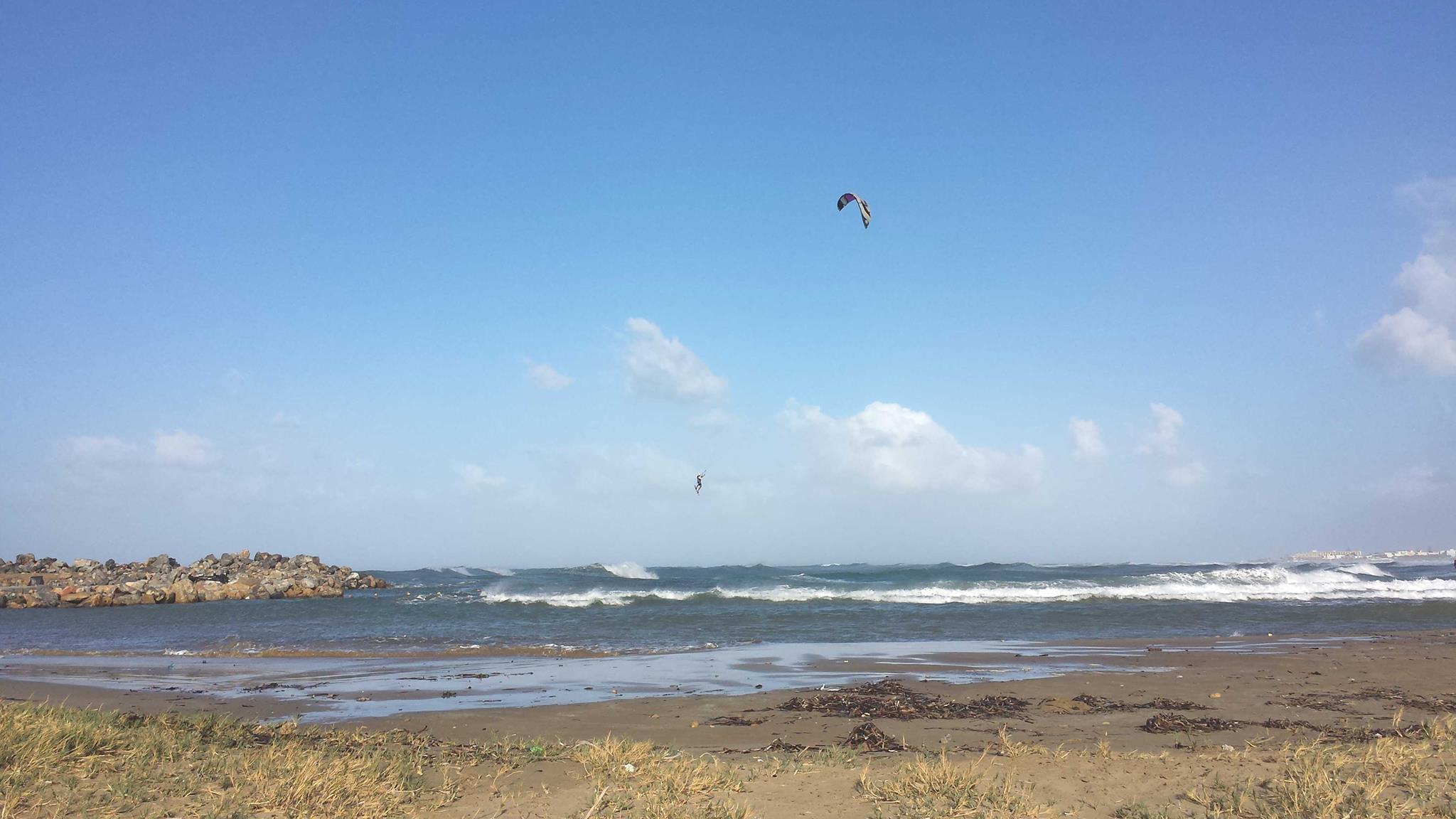



Kitesurfing and Kiteboarding in Crete
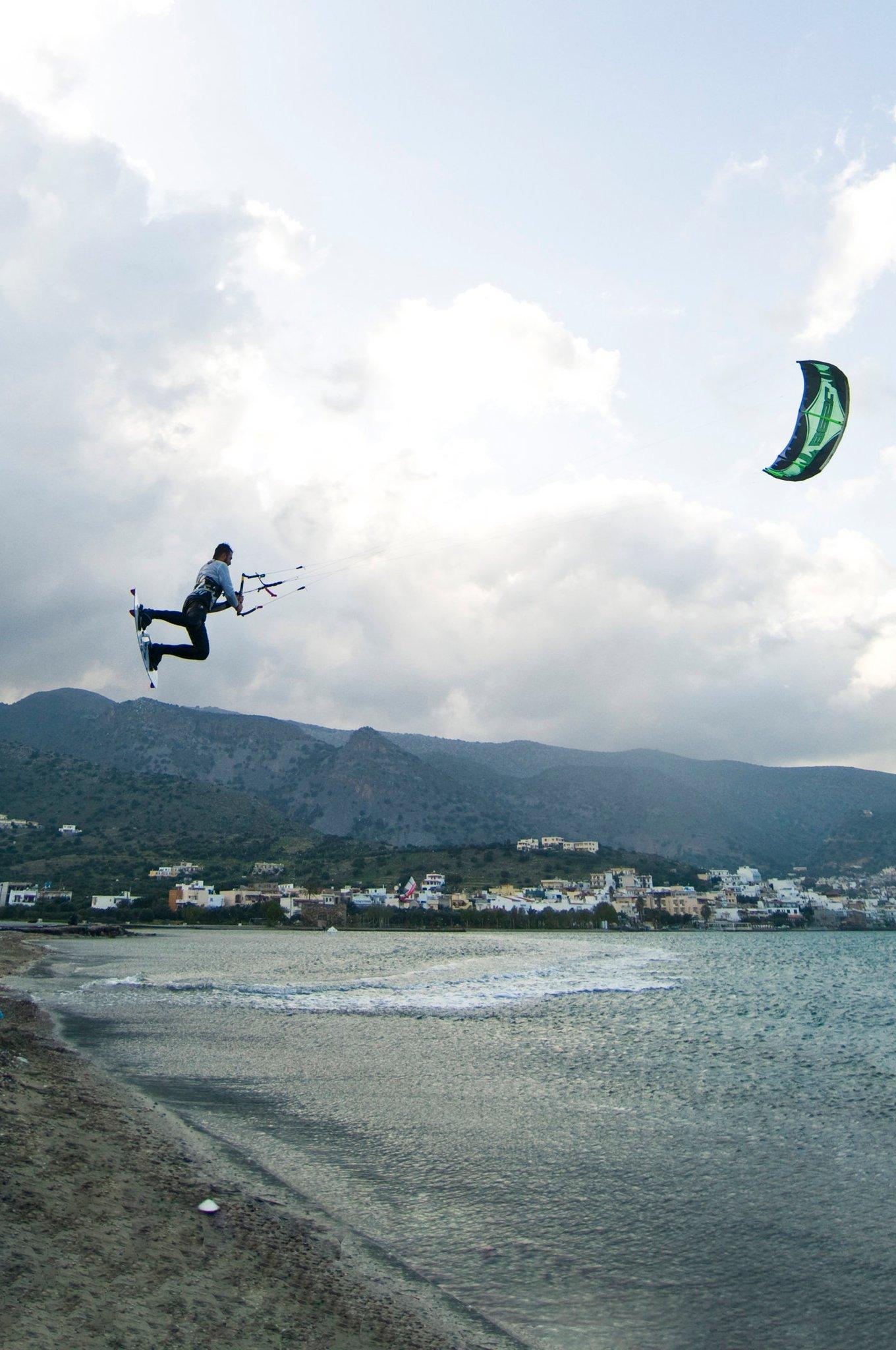
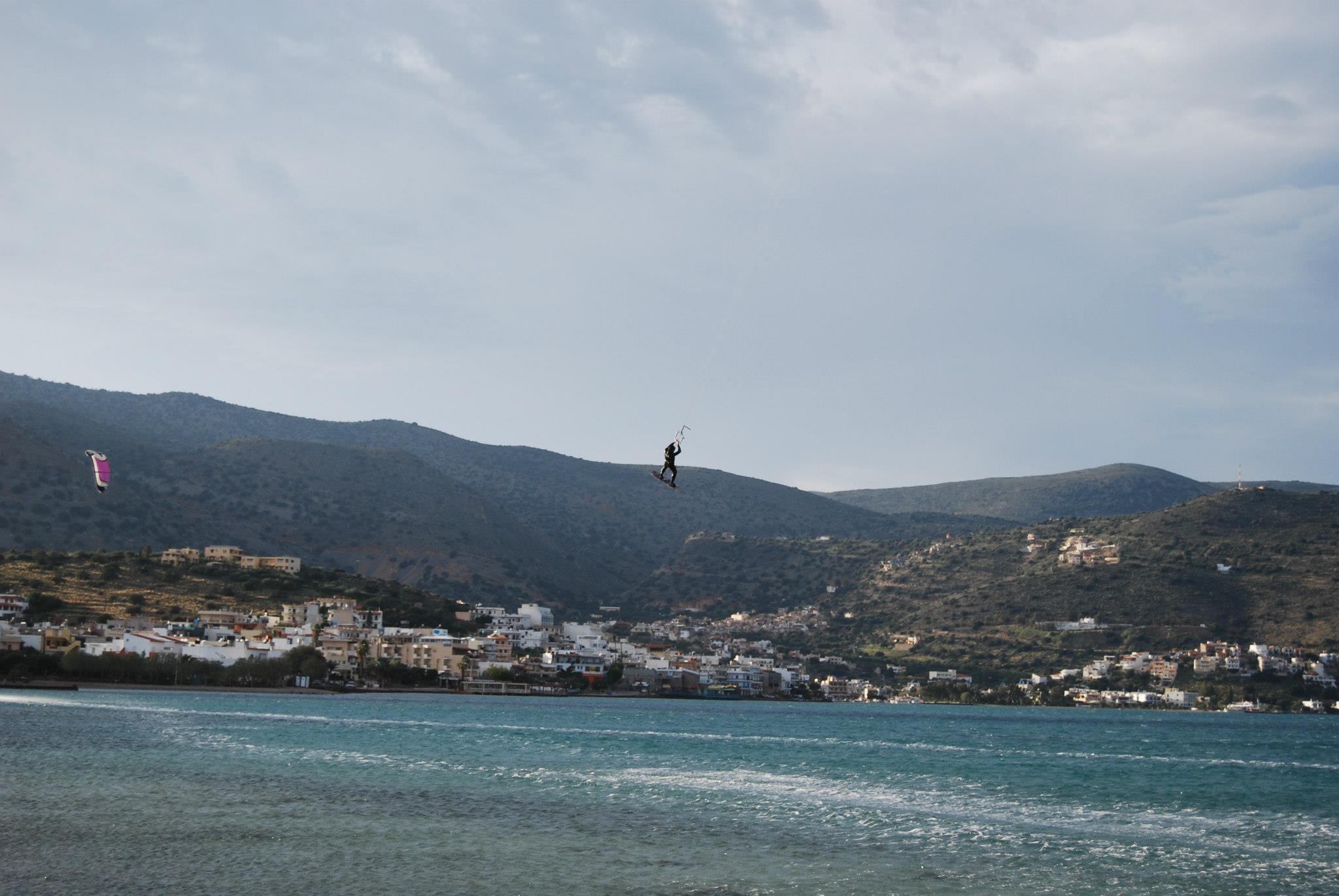
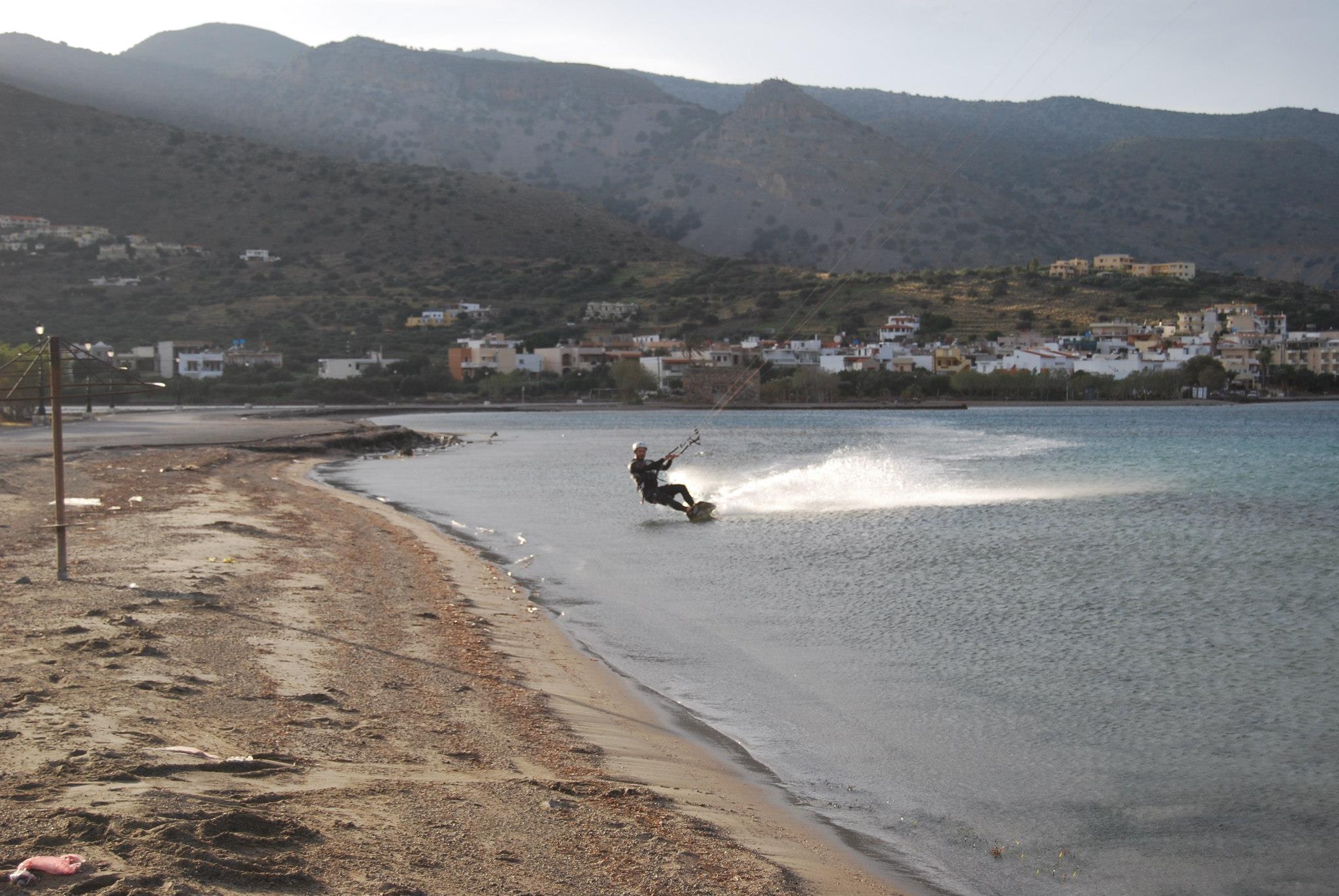
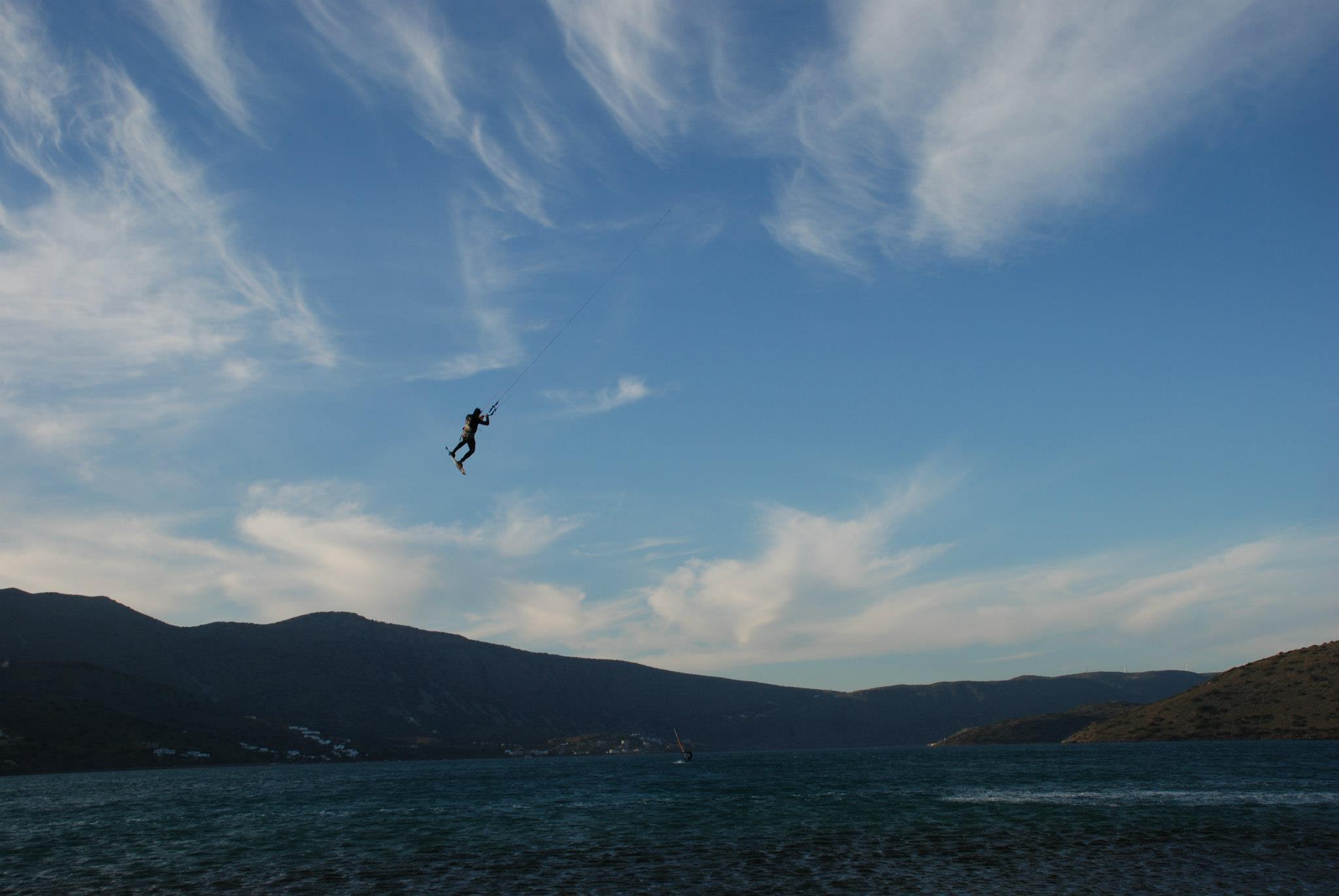
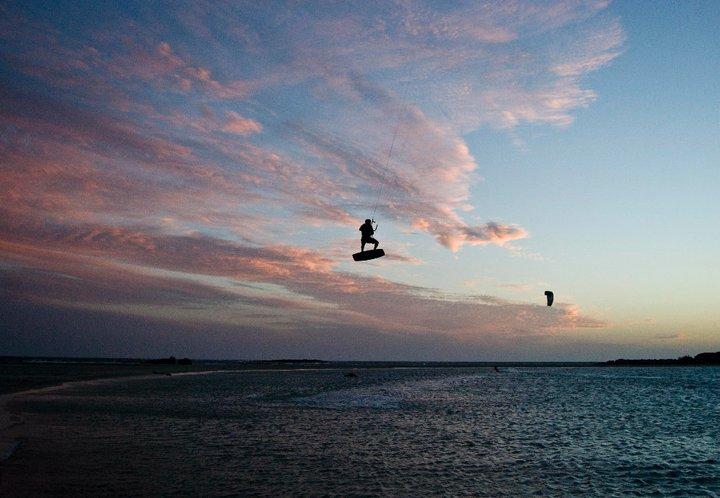
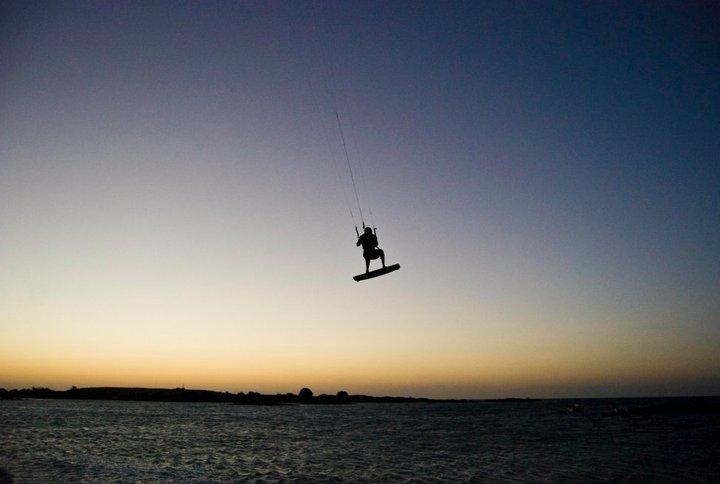
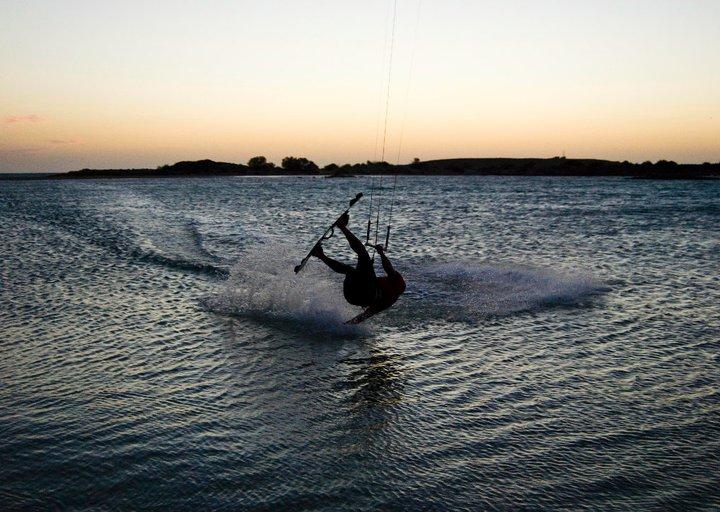
Kitesurfing, also known as kiteboarding, is a dynamic water sport in which the rider uses a large controllable kite to move across the sea on a board. It combines elements of board sports, sailing and paragliding and, when practised by experienced riders, allows high jumps and impressive aerial manoeuvres.
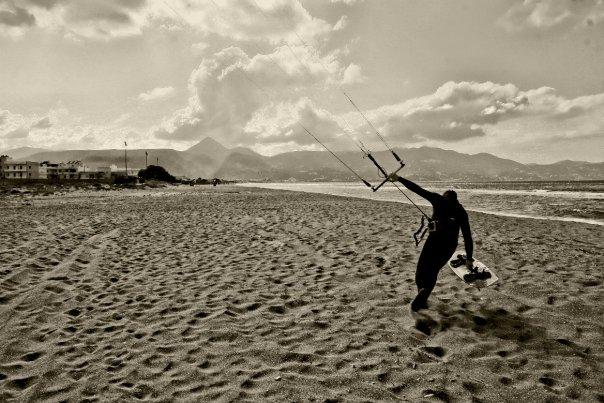
Despite its spectacular appearance, kitesurfing should not be attempted without proper instruction. Learning to control the kite safely, launch and land it, perform a self-rescue and understand wind direction is essential before entering open water. Beginners should always attend lessons with a qualified instructor and use an organised area with sufficient open space.
One of the best-known windy beaches in eastern Crete is Kouremenos, near Palekastro. Its long coastline and frequent winds create opportunities for wind-powered water sports. However, windsurfers, kitesurfers, swimmers and other beach users may share the same area, so riders must follow local instructions and use the designated launching and landing zones where available.
In central Crete, the long beach of Ammoudara, west of Heraklion, is frequently affected by strong northern winds. Its length provides open sections that may be used for kitesurfing when weather, sea conditions and local regulations permit. The presence of swimming zones, hotels and organised beach facilities makes careful selection of the launching point particularly important during the summer.
Falasarna, on the western coast of Crete, can also provide suitable conditions for experienced riders when western winds affect the open bay. Strong waves, currents and rapidly changing conditions can make the area demanding. Kitesurfing should therefore take place well away from swimmers and only after checking the shoreline, wind direction and available exit points.
Protected beaches and sensitive dune systems should not be treated as unrestricted kitesurfing areas. Even when wind conditions appear suitable, launching may be inappropriate because of crowds, nesting wildlife, protected vegetation or local restrictions. Riders should never place lines or equipment across dunes, marked swimming zones, paths or areas used by other visitors.
Before every session, check the weather forecast, wind strength and direction, currents and any instructions issued by port authorities or lifeguards. Never practise alone, use an appropriate helmet, buoyancy aid and kite leash, and maintain a large safety distance from swimmers, boats, power lines, buildings, trees and rocks. Offshore winds are particularly dangerous because they can carry a rider away from the coast.