



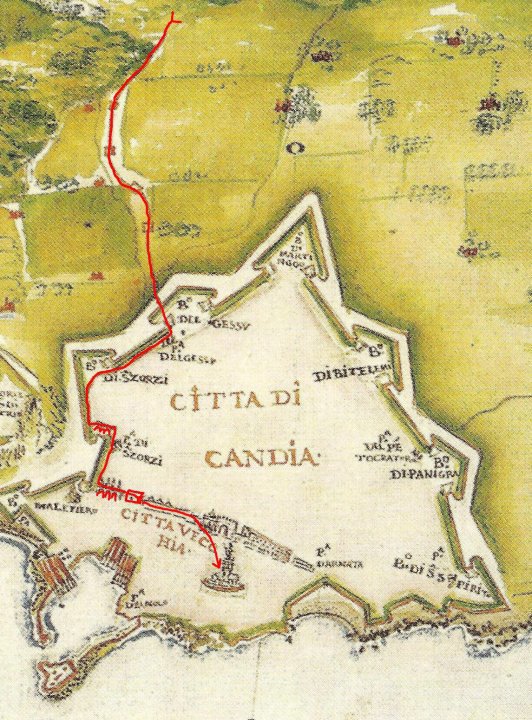
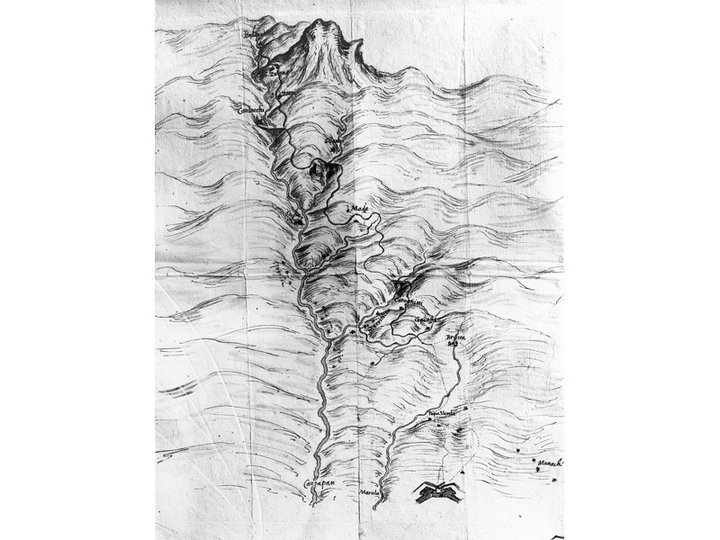
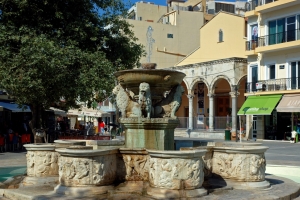
The Venetian Candia, i.e. the current town of Heraklion, had no water sources and its residents used wells and cisterns for storing rainwater. The general commissioner of Crete, Francesco Mozozini, tried to give a definitive end to this drought by building a colossal project, 15 kilometers long, for transfering water from the springs of mount Youchtas.
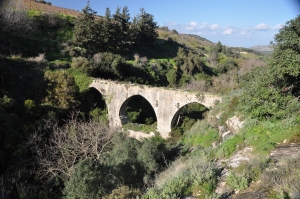
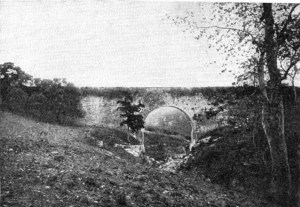
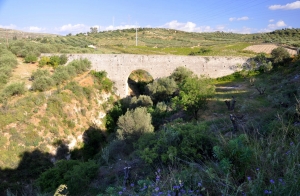
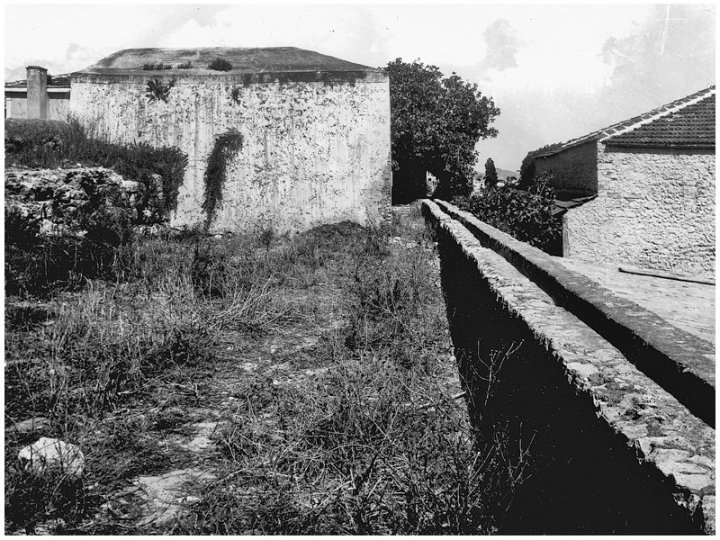
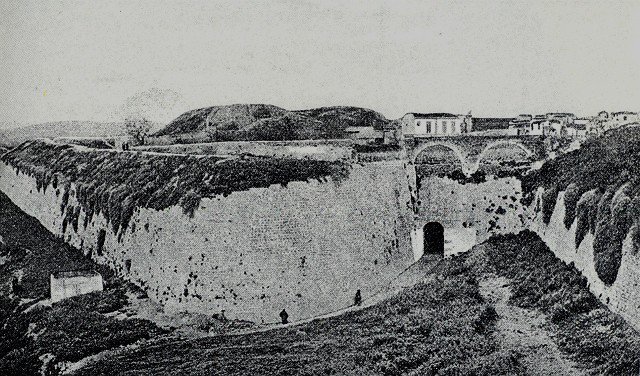
The terrain of the region required the construction of the aqueducts at Karydaki, Syllamos, Fortezza and Tris Kamares (today's Eleftherias Square) and other technical projects. The water from the sources of Giouchtas area was dumped into the water channel and with natural flow crossed the aqueducts in the area of Sylamos and Fortezza and ended in the famous Fountain of the Lions.
The project took only 14 months to complete and was inaugurated on April 25, 1628, on the feast day of Saint Mark, the patron of Venice and operated till 1927. This project was so important, that Morosini minted special coins depicting Zeus pouring water from Youktas Mountain. Nobody was allowed to plant trees at a distance of 10 feet, so as not to damage the channel.


Karydaki Aqueduct

Silamos Aqueduct