








Archaeological Sites
The strategic position of Crete at the crossroads of the ancient Mediterranean civilizations was the main reason for the constant claim of the island by various occupiers. Traces of each occupier are scattered everywhere on the island and are deeply engraved in the customs of the Cretans.
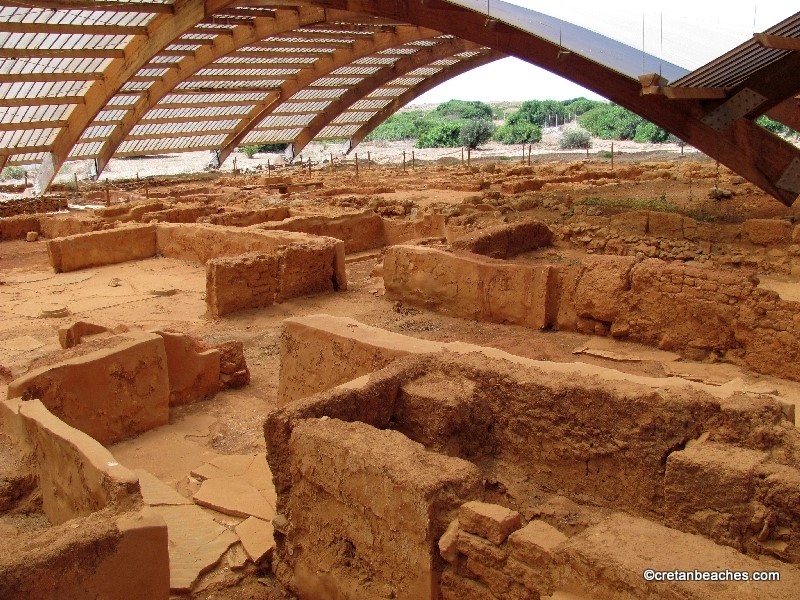
The Minoan Era (3000 BC - 1200 BC)
Crete is the birthplace of the first European civilization, the Minoan, which flourished between 3000 BC and 1200 BC mainly in Central and Eastern Crete. Even today, the majestic palaces of Knossos, Phaestus, Malia, Zakros, Tylissos, Arhanes, Monastiraki, Galatas, Kydonia and the luxurious mansions at Agia Triada, Zominthos, Amnisos, Makrigialos, Vathipetro and Nerokouros reflect the splendor of the Minoan civilization through architectural, pottery, jewelry and painting masterpieces. The Minoan fleet, the strongest of its era, as evidenced by several findings in the Mediterranean, brought wealth to Crete from the trade of the famous Cretan cypress and agricultural products. Built in large yards, such as the shipyard of Agii Theodori at Vathianos Kambos, ships were loaded with timber, honey, wine, pottery and olive oil from the ports of Dia, Katsambas, Komos, Zakros, Psira, Mochlos, Niros, Petras, sailing towards all directions of the Mediterranean as far as Scandinavia. Women were equal to men and took part in all religious ceremonies, in sports, hunting, theater, dance, etc. Masterpieces of building architecture, painting, sculpture and goldsmithing continue to inspire even modern civilization. Linear A and Linear B Scripts remind of the Egyptian hieroglyphics, but they were original Greek scripts. Even today, the disc of Phaestus is one of the most famous mysteries of archeology and deciphering of its symbols remains a riddle. The worship of deities such as the Mother Goddess of fertility, the Mistress of the Animals, protector of cities, the household, the harvest, and the underworld dominated the religious tradition of the Minoans, who used many caves and mountain peaks as places of worship. Pilgrims from all over the island ascended to the peak sanctuaries of Youchtas and the cave of Hosto Nero to offer their votives, such as Minoan inscriptions or clay idols. Peak sanctuaries were also hosted atop summits Kofinas, Vrysinas, Petsofas, Traostalos, Karfi, etc. The Diktaean, Idaean and Kamares Caves also played a prominent role in the worship of gods. Show Map
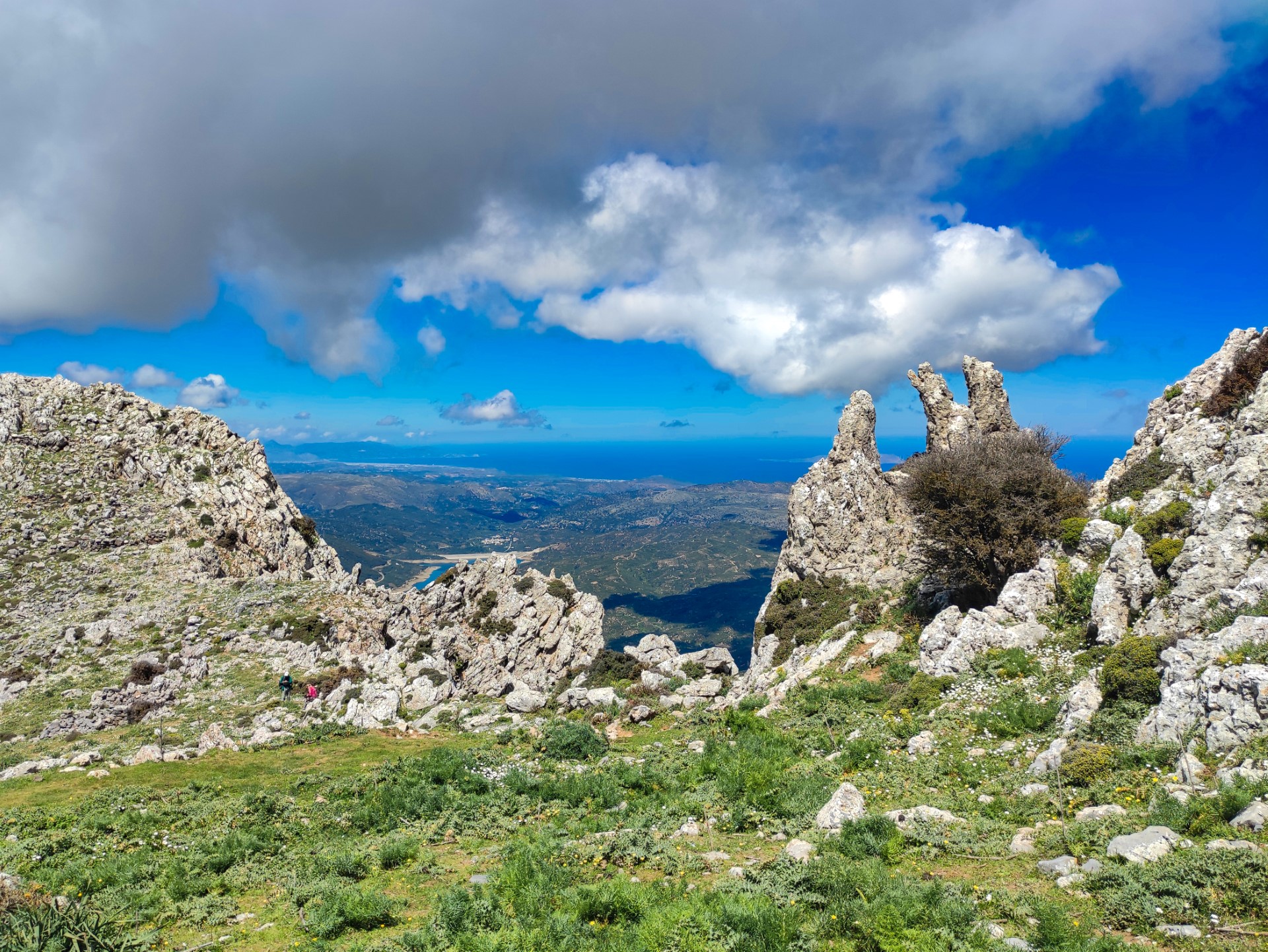
The Dark Age (1200 BC- 800 BC)
The imposing Minoan palaces and the rest of the constructions developed between 2000 BC and 1400 BC. Around 1700 BC, the Minoan cities were levelled by an unverified factor, probably the eruption of Santorini volcano. The palaces were rebuilt, but the destruction of the large Minoan centers by the Mycenaeans around 1400 BC was the starting point for the decline. The Minoan superpower was irreparably shaken, could not recover and eventually faded in the following centuries, allowing the Achaeans and the Dorians to conquer the island. The residents of the coastline, who for the first time felt that an external enemy threatened their island, were withdrawn in the most inhospitable and craggy peaks. This was the outset for the so-called Dark Age (1200 BC - 800 BC), when towns were built in the most inaccessible, naturally fortified locations. Even today, archaeologists have not confirmed what forced the Minoans to leave their fertile land and build impregnable cities atop windswept peaks, such as the imposing settlements at peaks Karfi, Flektro, Kastro near Kavoussi, Azorias, Vrondas, Kastrokefala, Kyrimianos, Fratiani Kefala, etc. Show Map
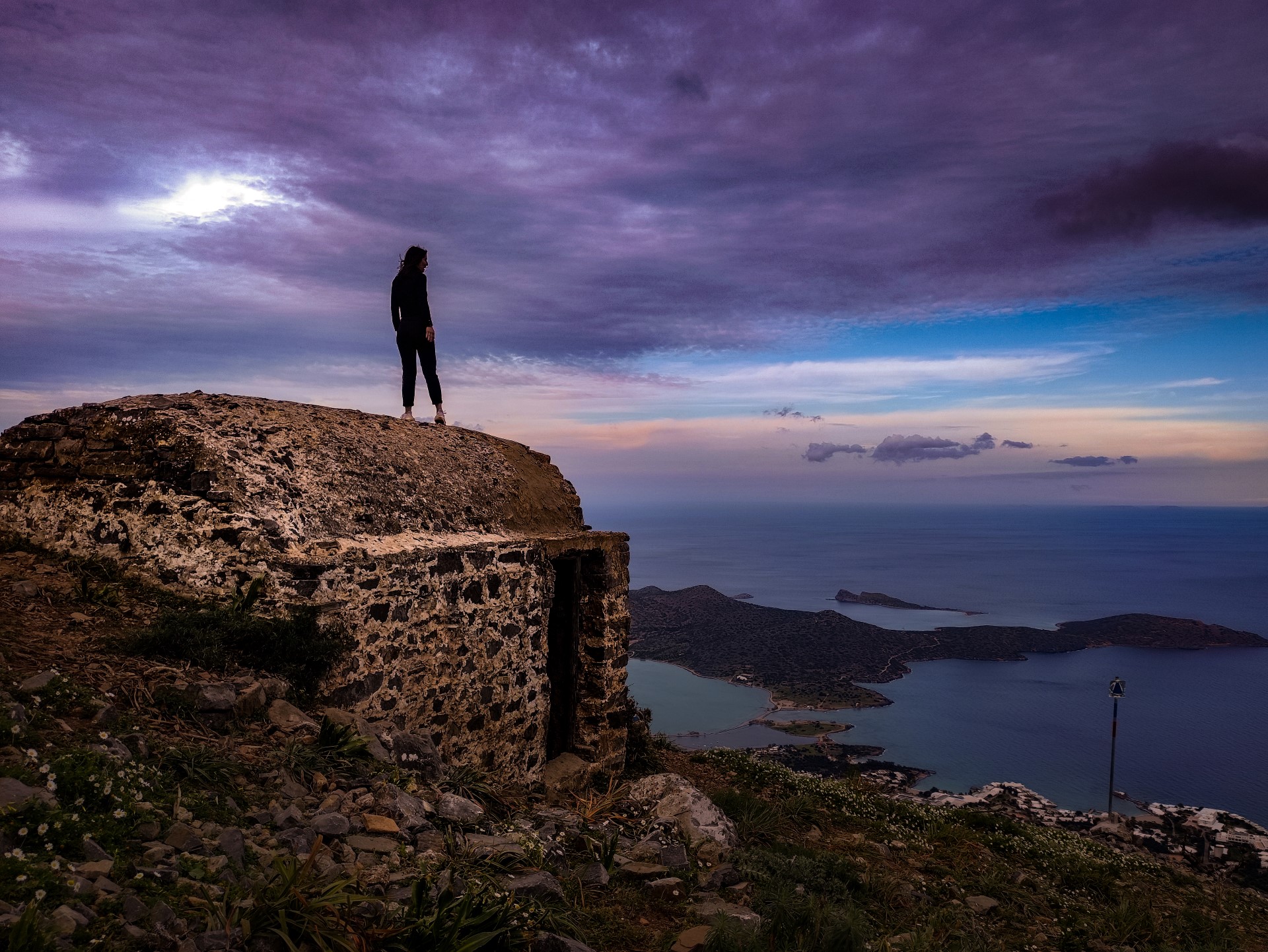
Classical and Greco-Roman Era (800 BC- 395 AD)
During the Dark Age, living in such remote and inhospitable areas was so arduous, that a few centuries later those settlements declined and disappeared. During the same period, the Achaeans and Dorians broke the ground for the flowering of Classical Hellenism. They introduced new customs, such as the use of iron, cremation and new clothing habits. The "island of a hundred cities", as recorded by Homer, gradually came to the fore. Knossos became the administrative center again and new impressive cities were developed, such as Hierapytna, Itanos, Axos, Praesus, Sivrytos, Dreros, Rizinia, Tripitos, and many others. When the Roman Quintus Caecilius Metellus undertook the conquest of Crete in 69 AD, the capital of the island was moved to Gortys, which later became the capital of the senatorial province of Crete and Cyrenaica. The city still impresses with the remains of the baths, theaters, stadium, hippodrome, citadel and temples. It was served by the ports of Matala, Lassea and Levena (current Lendas). Apart from Gortys, many other cities flourished, with the most impressive archaeological sites being today Eleftherna, Polyrhenia, Lyttos, Elyros, Aptera, Lappa, Olous, Lato and Priansus. After the establishment of Cretan colonies in Sicily, Marseille and Cyrene in the 7th century BC, trade flourished again and many ports surpassed in power the cities they served. Some ports evolved into major cities such as Falassarna, Lissos, Cheronissos, Lato Kamara and Inatus. The advent of Christianity During his journey to Rome, Paul the Apostle stopped in Crete and preached Christianity, lighting the flame of a centuries-old ascetic tradition, signs of which we meet even today in hermitages and monastic establishments of Asterousia range. Areas that, according to tradition, were visited by Saint Paul and Saint John Xenos, turned to live ascetic communities. Among them, Asterousia and Akrotiri Cape at Chania still retain their monastic character. The island became an important Christian center, as reflected in the hundreds of religious monuments, which are scattered everywhere. The old temples of Twelve Olympians turned into imposing basilicas and cavernous sanctuaries were transformed into churches. Remains of early Christian basilicas, which are still awe-inspiring due to their size, are scattered throughout the island. Apart from the colossal basilica of Saint Titus by Gortys, traces of similar religious monuments are located at Hersonissos, Fragokastelo, Elounda, Almyrida, Panormo, Goulediana, Sougia and Eleftherna. Show Map
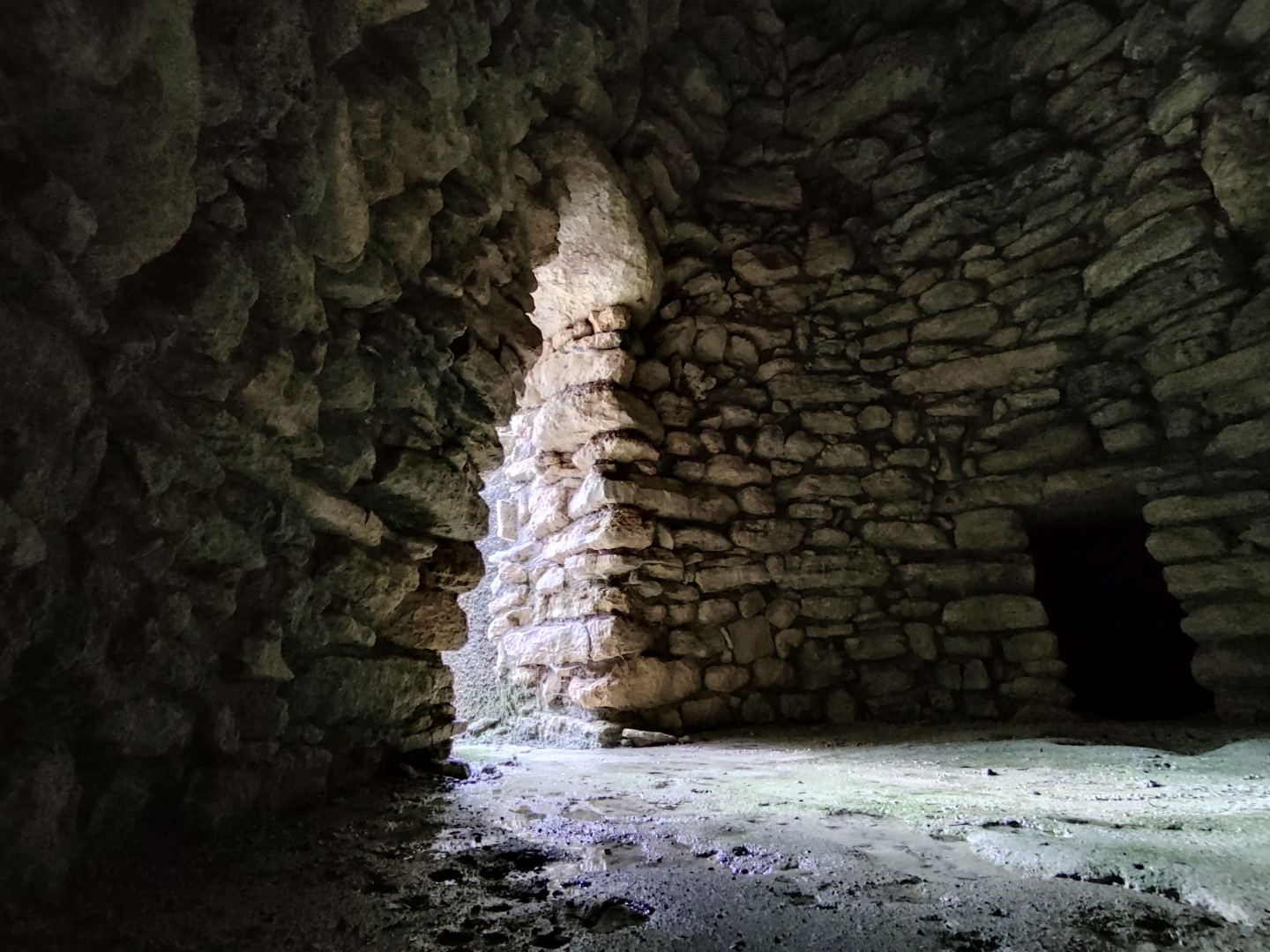
Ancient Tombs
The Cretan landscape is rich in ancient burial complexes, reflecting the great importance that the island’s inhabitants placed on caring for and burying their dead. From the beginning of the Early Bronze Age, around 3100–3000 BC, the simple deposition of the deceased in caves was gradually abandoned and the use of organized cemeteries became widespread. During the Minoan period, in areas of eastern Crete such as Gournia, Mochlos and Palekastro, tombs were often rectangular and could be reused for the burial of several individuals. Entire funerary buildings have been identified at Chrysolakkos near Malia, Palekastro, Archanes and Platanos. However, the most widespread types of tombs on Crete were tholos tombs and chamber tombs. Important tholos tombs have been discovered at Kamilari, near the Monastery of Odigitria, at Koumasa, Maleme, Ahladia, Stylos, Fylaki in Apokoronas, Margarites, Apodoulou and Gerokambos. Large Minoan cemeteries containing hundreds of tombs have been discovered at Fourni near Archanes and at Armeni near Rethymnon. During the Greco-Roman period, many tombs were carved into the soft limestone found abundantly in several areas of Crete. The best-known cemetery of this type is located in the caves of ancient Matala, where dozens of hippies settled during the 1960s and 1970s. Impressive rock-cut tombs can also be seen in ancient Kydonia in Chania, at Trialonia, at Siderospilia near Prinias and in the lush ravine of Pente Parthenes in ancient Lappa. The area of Agios Thomas is particularly important, as the impressive rock-cut tombs of Gra Mandra indicate that it was an important centre for the worship of chthonic deities. At Agia Fotia near Sitia, archaeologists have excavated one of the largest Early Bronze Age cemeteries in Greece. The Early Minoan cemetery dates approximately from 3000 to 2300 BC and contains more than 250 excavated tombs, while the total number of known tombs within the wider burial complex is frequently reported as 302.
Byzantine Crete (395–824 and 961–1204 AD)
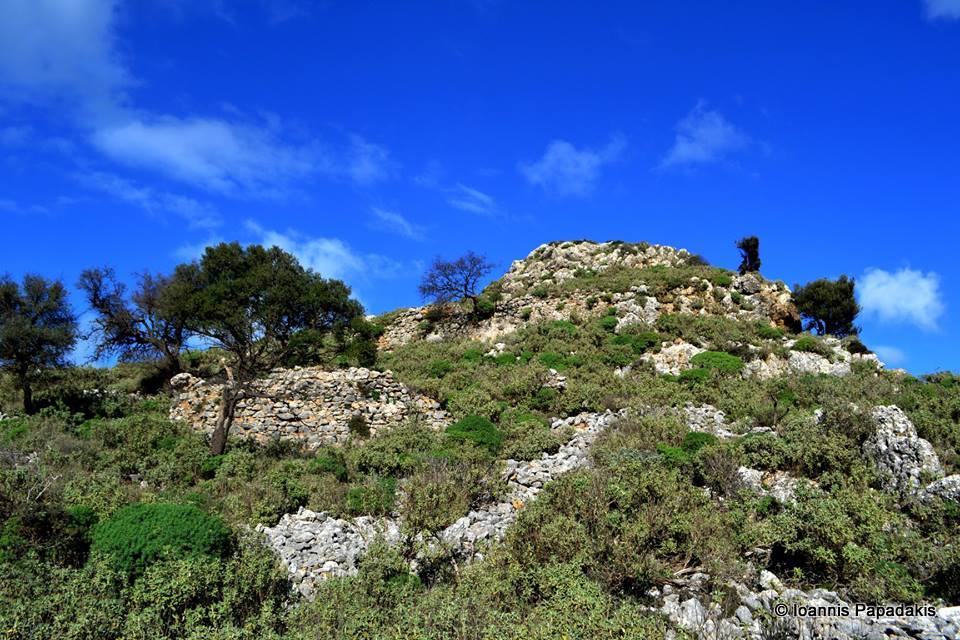
Following the division of the Roman Empire in 395 AD, Crete became part of the Eastern Roman, or Byzantine, Empire. Christianity had already spread throughout the island, and Gortyn remained its administrative and ecclesiastical centre. Numerous churches and Early Christian basilicas were constructed, while the island enjoyed a relatively peaceful and prosperous period under Byzantine rule. The ruins of this era remain visible at ancient Gortyn and at many other archaeological sites across Crete. This period was violently interrupted in 824 AD, when Andalusian Arab exiles conquered the island. Byzantine control was restored in 961 AD after a major military campaign led by Nikephoros Phokas, who later became emperor. The reconquest brought renewed stability and gave fresh impetus to Crete’s Byzantine and Christian traditions. New churches and monasteries were founded, older religious monuments were restored and the island was gradually repopulated and reorganised. The second Byzantine period ended after the capture of Constantinople by the Fourth Crusade in 1204. Crete was initially granted to Boniface of Montferrat, who soon transferred his rights over the island to the Republic of Venice. Effective Venetian rule began in 1211.
Ottoman Rule in Crete (1669–1898)
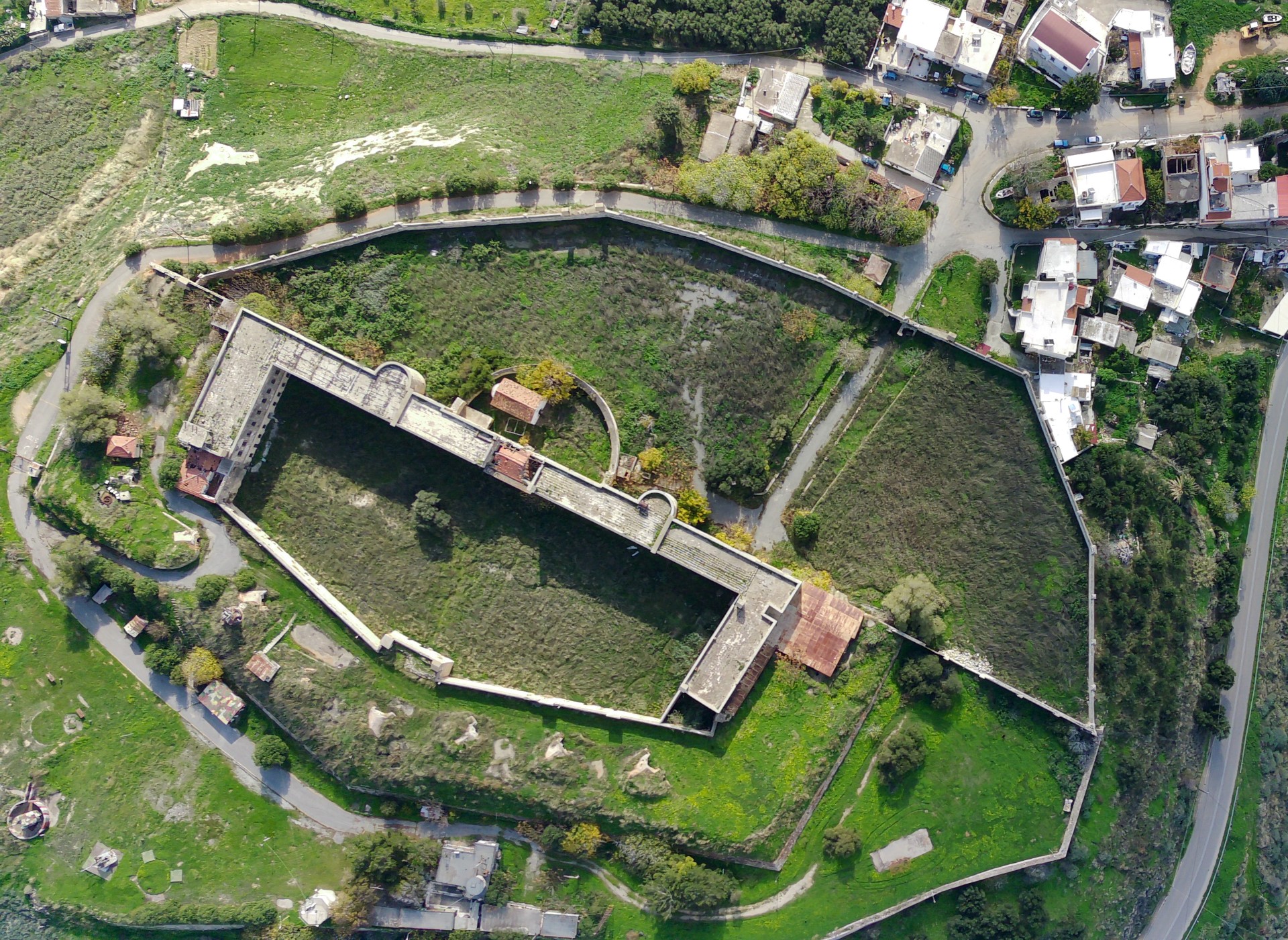
During the 17th century, after consolidating their control over Constantinople and much of the eastern Mediterranean, the Ottomans turned their attention to new conquests. Because of its strategic position, Crete soon became a principal target of their expansionist policy. Following fierce battles, the Ottomans captured Chania in 1645 and Rethymnon in 1646. However, the last major Venetian stronghold, the Grand Castle of Candia, remained under Venetian control until 1669. After a siege lasting more than twenty years, the city was surrendered to the Ottomans. The fall of Candia marked the beginning of a long and difficult period for the Christian population of Crete. Ottoman rule, heavy taxation and religious and social discrimination led the Cretans to launch numerous uprisings. The outbreak of the Greek War of Independence in 1821 renewed their hopes of liberation and strengthened their determination to unite the island with Greece. The most important uprising was the Great Cretan Revolution of 1866–1869. Its defining events included the sacrifice at Arkadi Monastery and the battles and destruction on the Lassithi Plateau. Although the revolution did not immediately secure independence, it drew international attention to the Cretan struggle and brought liberation closer. Following further uprisings and diplomatic intervention by the Great Powers, the autonomous Cretan State was established in 1898. Crete remained formally under Ottoman sovereignty, although Ottoman troops had withdrawn from the island. The long struggle was finally completed in 1913, when Crete was officially united with Greece. The siege of Candia, which lasted from 1648 to 1669, is regarded as one of the longest sieges in recorded history.

Modern history (1898 – Today)
Since 1896, after the massacres of Arkadi, Crete has become autonomous under the protection of the Ottoman Empire and is officially named the Cretan State. In 1898, after the slaughters of the Ottomans against the Christians in Heraklion, all muslims are forced to leave Crete and the island returns to pure Christian population after 2.5 centuries of Ottoman rule. On December 1st, 1913, Crete officially united with Greece, fulfilling the century-long dream of Cretans. The political personality of Eleftherios Venizelos from Chania, who was later to become the Prime Minister of Greece, came to the fore. However, the struggles of Cretans did not end then, since the Cretans had to fight in the Battle of Crete in 1941, which was one of the most important one of World War II, due to the strategic location of the island in the Mediterranean. Once again, Crete was reborn from its ashes. Today, there are memorials and monuments scattered all over the island reminding the horror and devastation of war and the great value of peaceful coexistence between nations. In all places of Crete, the visitor can still see the remains of German military infrastructure. Haunted pillboxes are still hanging on the steep capes of Lithino, Spatha, Aforesmenos, Drapanos, Plakias and many other places. Visitors can visit the Allied War Cemetery at Souda bay and the German War Cemetery at Maleme, at the site of the Battle of Crete. The Battle of Crete is the first airborne invasion in history.
Prehistoric Times
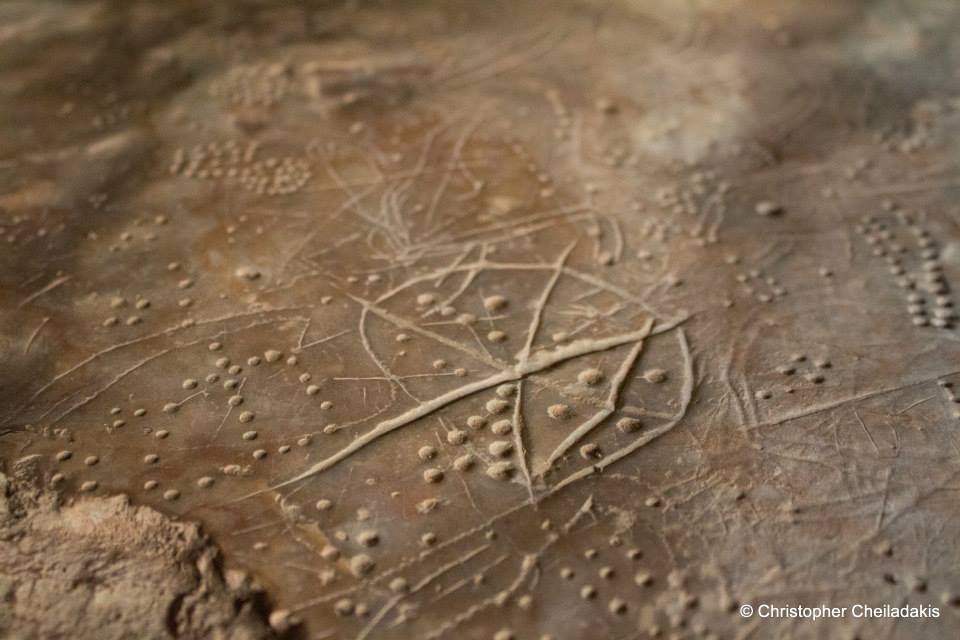
The earliest possible evidence of a hominin presence on Crete comes from Trachilos, near Kissamos, where fossilized bipedal footprints with human-like characteristics have been discovered. A 2021 study dated the footprints to approximately 6.05 million years ago, although both their age and their attribution to an early hominin remain scientifically debated. Another study has proposed that the rocks preserving them are considerably younger, dating to approximately 3 million years ago. The earliest clear archaeological evidence of a human presence on the island is much more recent. Dozens of stone tools, scrapers and hand axes discovered in the area of Plakias date back at least 130,000 years and may be considerably older, possibly up to 700,000 years old. They cannot be attributed with certainty to a particular human species, such as Homo erectus, but they provide evidence for the presence of archaic hominins on Crete. As the island was already separated from the mainland, these discoveries suggest that its early visitors were capable of crossing stretches of open sea. Paleolithic finds have also been reported in the area of Samaria. Before these tools were discovered, scholars generally dated the first human arrival on Crete to the Neolithic period. An important prehistoric site is the cave of Skordalakia at Asfendou, where rock carvings depicting animals and hunting scenes have been found and attributed to approximately 8000 BC. Other finds and remains of dwellings have been identified in the area of Katsambas near Heraklion, while numerous traces of prehistoric habitation have also been discovered in caves. Cavities near cave entrances were used as burial places, while parts of their interiors were arranged for habitation and the storage of supplies. A characteristic example is the cave of Gerani, where archaeologists discovered a pit filled with animal bones and, next to it, numerous small and large tools made of bone.
Emirate of Crete – Arab Rule (824/827–961)
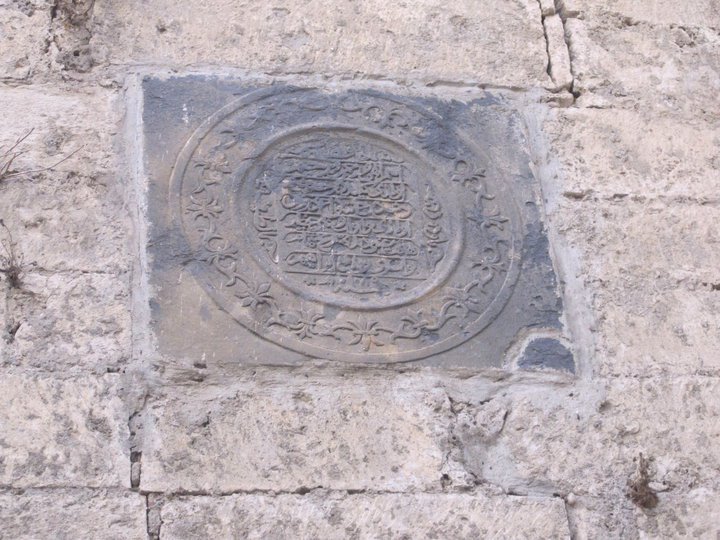
Between 824 and 827, Arab exiles from Al-Andalus, who had previously settled in Alexandria in Egypt, gradually conquered Crete. They established an independent Muslim state on the island, known as the Emirate of Crete, which survived until the Byzantine reconquest of 961. The new rulers founded the fortified city of Chandax on the northern coast, on the site of modern Heraklion. The city took its name from the deep defensive ditch that surrounded its fortifications. Chandax developed into the capital of the emirate, an important commercial port and a powerful base for the Arab fleet in the eastern Mediterranean. Raids against Byzantine islands and coastal regions were launched from Crete, while maritime trade and the trafficking of captives were important activities of the emirate. At the same time, the island’s strategic position along the maritime routes of the Mediterranean strengthened its commercial connections with the Islamic world, Egypt and North Africa. The Byzantines organised several expeditions to recover Crete, but all initially ended in failure. The most significant unsuccessful attempt took place in 949. A major new campaign was launched in 960 under the command of General Nikephoros Phokas. After a lengthy siege, Chandax was captured in March 961 and the Emirate of Crete ceased to exist.
Venetian Crete (1211–1669 AD)
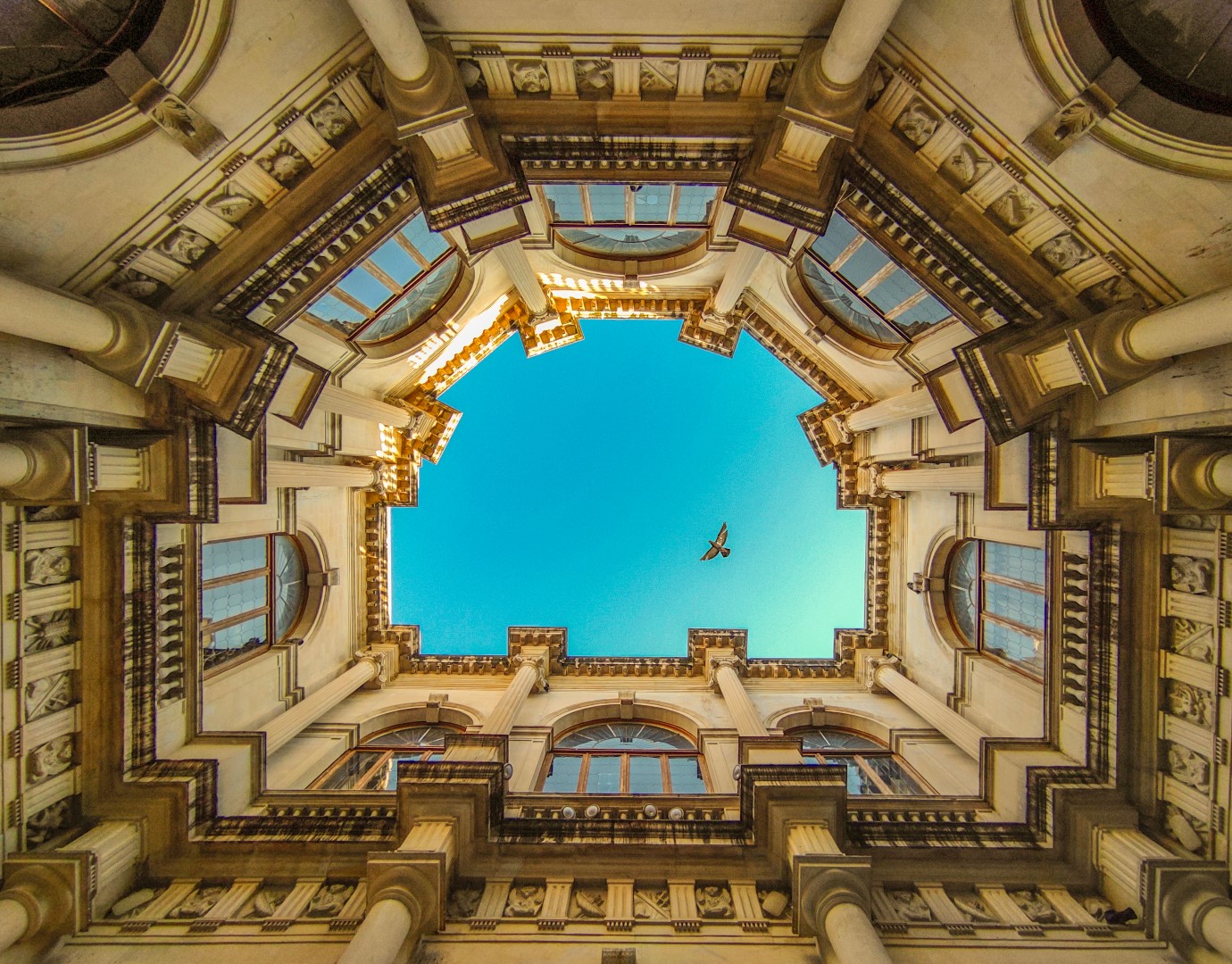
Venetian rule in Crete effectively began in 1211 and lasted until 1669. The Venetians called the island the Kingdom of Candia, after its capital, Candia, the present-day city of Heraklion. Although Venetian authority was repeatedly challenged by revolts of the local population, Crete gradually developed into one of Venice’s most important possessions in the eastern Mediterranean. The major cities were rebuilt and protected by massive fortifications. Harbours, shipyards, fountains, public buildings and loggias transformed their appearance. Important surviving examples include the Venetian shipyards of Heraklion, the city’s Venetian fountains and the magnificent Loggia of Candia. Despite social tensions and repeated uprisings, the Venetian period brought considerable economic and cultural development. The interaction between Byzantine traditions and the Italian Renaissance gave rise to the Cretan Renaissance. The Cretan School of icon painting reached its height through artists such as Michael Damaskinos and Dominikos Theotokopoulos, better known as El Greco. Important works associated with this tradition are displayed in the Byzantine Collection of Heraklion. Literature, poetry, music and theatre also flourished. This period produced masterpieces such as Erotokritos by Vitsentzos Kornaros and Erophile by Georgios Chortatzis, two of the most important works of Cretan Renaissance literature. Venetian rule came to an end during the Cretan War between Venice and the Ottoman Empire. Following a siege that lasted more than twenty years, Candia surrendered to the Ottomans in 1669. However, the Venetians retained the fortified islets of Souda, Gramvousa and Spinalonga for several more decades.


