
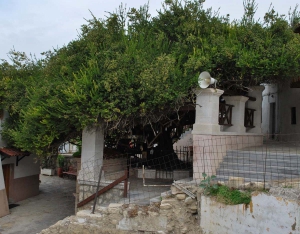
Sacred Trees
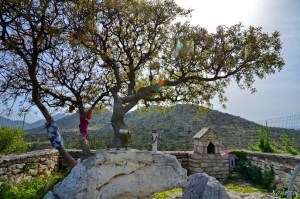
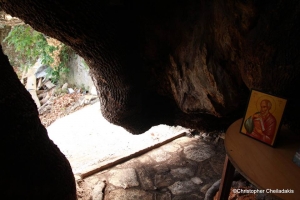
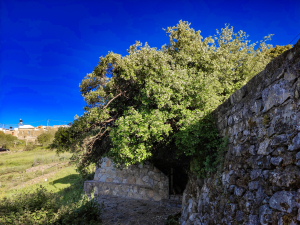
The sacred trees of Crete are associated with religious traditions, local legends and customs that remain significant to the island’s communities. Trees near churches, within monasteries or at distinctive locations in the landscape become places of prayer and votive offerings.
The special place of trees in Crete’s religious beliefs is already evident in Minoan art. Scenes depicted on seal rings are interpreted as representations of tree worship and associated with fertility and the renewal of nature. Similarities with more recent customs are intriguing, but do not in themselves prove an unbroken continuity of the same rituals.
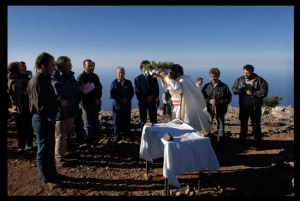
A characteristic example is the Holy Myrtle at Paliani Monastery, near Venerato, which is associated with traditions surrounding the Virgin Mary and the placing of votive offerings on its branches. The whitebeam trees of Kofinas, locally known as militses, also hold a special place in religious customs in the Asterousia Mountains.
The value of these trees lies both in their physical presence and in the stories and practices surrounding them. Their preservation calls for respect for local traditions and care to ensure that visits and offerings do not damage their trunks, branches or roots.


The sacred terebinth of Saint Fanourios

Keramota plane tree

Kofinas whitebeams