
Balkan whip snake
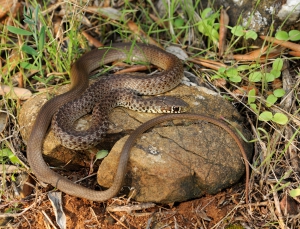
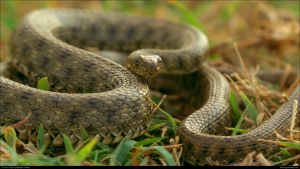
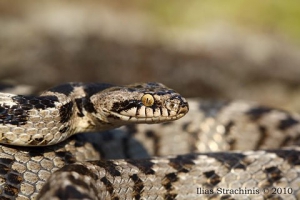
The Balkan whip snake (scient. Hierophis gemonensis or Coluber gemonensis) is a medium sized snake, which is commonly met in the island of Crete. It can reach a length of 1m, but is usually much shorter.




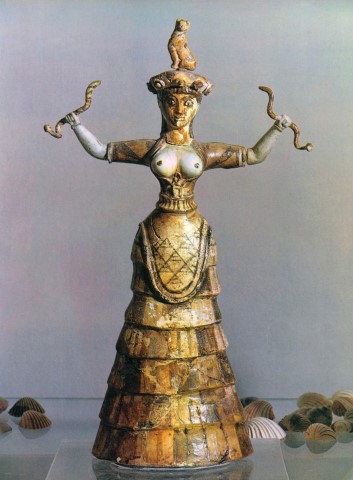
Snakes held an important place in Minoan religious imagery. Famous examples include the “Snake Goddess” figurines from Knossos, displayed at the Archaeological Museum of Heraklion. These female figures holding snakes are associated with the worship of a nature deity. In ancient Greek tradition, snakes were also linked to healing and Asclepius, whose staff entwined with a snake remains a symbol of medicine.
According to a myth recorded by Diodorus Siculus, Heracles rid Crete of wild and harmful animals, honouring the island where Zeus was born and raised. This is a mythological explanation for the absence of certain animals from Crete, rather than an account of its actual wildlife.
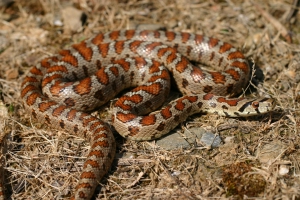
Crete is home to four native snake species: the Balkan whip snake (Hierophis gemonensis), the dice snake (Natrix tessellata), the European cat snake (Telescopus fallax) and the leopard snake (Zamenis situla). They inhabit different environments, from scrublands, farmland and dry-stone walls to wetlands and old buildings. Vipers are not native to the island. Although the leopard snake is locally known as “ochentra”, a name associated with vipers, it is not a viper and has no venom.
Of these four species, only the European cat snake possesses venom and specialised fangs at the rear of its upper jaw, but it is not considered dangerous to humans. The other three species are non-venomous. Snakes generally avoid people and may bite defensively if caught or cornered.
Snakes are an important part of Crete’s ecosystems, feeding on rodents, invertebrates and other small animals. Protecting their habitats and preventing deliberate killing contribute to maintaining the island’s ecological balance.


 Beaches
 Nature
 Past
 Destinations
 Highlights
 West CreteCentral CreteEast CreteChaniaPaleochoraKissamosGeorgioupolisChora SfakionLoutroRethymnonAgia GaliniPlakiasSpiliAnogiaHeraklionHersonissosMaliaMatalaAgia Pelagia`ArchanesKokkinos PirgosAgios NikolaosEloundaSitiaIerapetraMakrigialosPalekastroZakrosLassithi Plateau


