







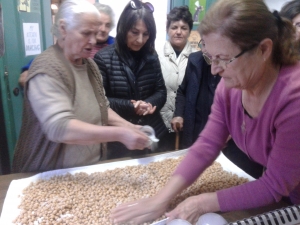
Founded by the Region of Crete, the Cretan Gastronomy Center is housed in a three-floor building of neoclassical architecture built in 1933 called “Archontiko Manousaki” in Argiroupoli village, Rethymno.

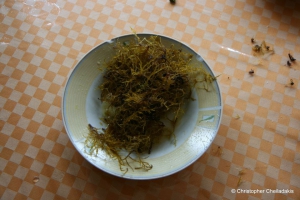
The macroalgae polisyphonia is a genus of marine algae found primarily in western Crete, with several species. It is reddish, has crisp flesh and grows on rocky grounds. It is found at the west seashores of Kissamos province and at a small part of Bali by Rethymnon

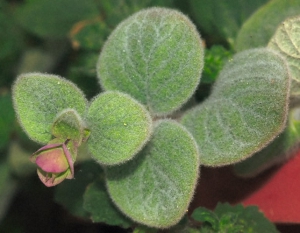
Dittany (Origanum dictamnus) (Greek: diktamos) is an endemic herb of Crete, the most famous of all, which is mainly used as a tea and as a therapeutic sip. Its name is taken after the Dikti Range (Lassithi Mountains), though it is also met in all ranges of Crete.

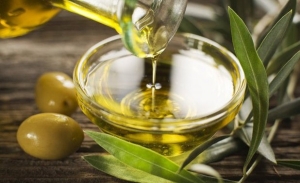
Olive trees and the valuable fruits they yield have been part of Cretan life for more than 3,500 years. Centuries of history form the background of the complex relationship between Cretans, their olive trees, and oil. A long time may have passed since the Minoan era, though the olive tree -fruit and oil alike- is still part of the islanders' lives. Far from being just a product, it stands out as a symbol of Cretan civilization through the ages.
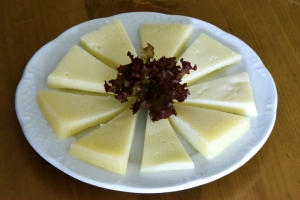
The Cretan livestock farming tradition has resulted in a variety of dairy products, among which excellent cheeses, yogurt, and a sort of crumb-like pasta called ksinochondros, all made from goat and sheep's milk .
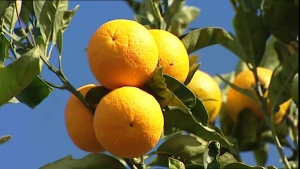
Fruit-bearing trees, especially citrus trees, thrive in many areas of Crete. Oranges from Maleme in Chania have been awarded PDO status, though other famous varieties include oranges from the planes of Milopotamos and Fodele, cherries from Gerakari, bananas from Arvi, and apples from Lassithi Plateau. At present, alternative crops have been developed and previously ignored products, such as prickly pears, have become standardized.
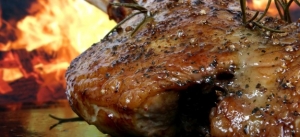
Cretans used to eat more sheep and goat meat than beef or pork. Small-scale livestock farming and the particular relief of the island called for flocks of smaller animals, usually grazing in mountain pastures. Traditional livestock farming would be nothing special if it weren't for the abundance and nutritional value of the indigenous herbs on which the flocks feed. That's what makes their milk and meat so tasty, and their owners so proud.
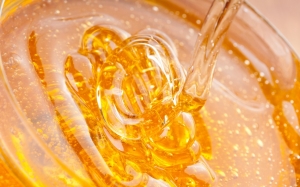
Honey, one of the most important products of Crete, wouldn't be what it is without the wealth of fragrant plants and herbs thriving on the island. The product first appeared in ancient times. One of the most important finds from the Minoan era is the golden charm with two facing bees, which indicates that beekeeping activity existed early on.
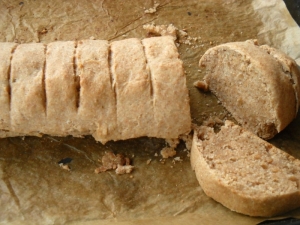
Traditional Cretan bread and rusks are an important part of Cretan culture. Among the Minoan finds unearthed in the island are the earliest occurrences of simple barley bread. Quite a few traditional baking methods and recipes have survived to the present day, with some even acquiring a mystic tinge (such as the making of a specific rusk, the eptazimo).
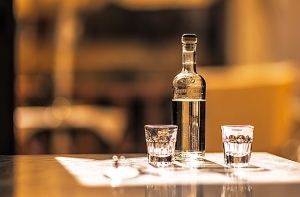
Raki or tsikoudia, the spirit preferred by most Cretans, has been awarded PGI status. It appears in every single aspect of social activity and every household on the island. Over time, tsikoudia has become a symbol of kindness and hospitality, a spirit which helps with introductions and starts new friendships. More than just a drink, it's a means of communication between friends and strangers alike.
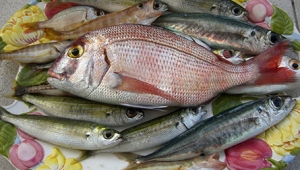
Crete may be an island, but its culture is closer to the mainland type. The inhabitants always preferred areas close to the mountains, where they could peacefully develop agriculture, livestock farming, and trade, as coastal areas were exposed to pirate and buccaneer raids. Several small villages, however, managed to survive and even thrive after the tourism boom.
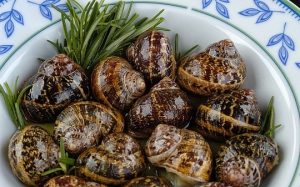
This is another name for snails, a very particular trademark Cretan delicacy. Popular recipes include cooking them with chondros ; in a tomato, courgette and potato casserole; simply fried; or boubouristi (boiled and then fried with herbs).
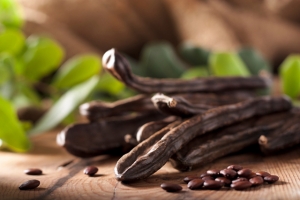
Crete has the largest natural carob forests in the Southeast Mediterranean. Carob used to be a key ingredient for livestock feed, but it was ignored for several decades before making a comeback. Its sweetening properties made it an important energy source in the Cretan diet, and it was also used to make flour. Carob is attempting a remarkable comeback to modern markets with innovative products used mainly in bakery and confectionery, thus rooting modern food trends in older traditions.
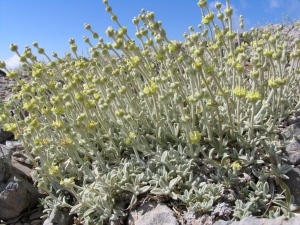
Malotira (Sideritis syriaca), also known as Cretan Mountain tea is a herbaceous plant or shrub, 10-50cm long, which is met at ranges over 900m in West Crete (over 900m). The species is endemic to Crete and the name syriaca (instead of cretica) probably comes from a confusion of the botanist who gave the name.
Also read:
- Home
 Beaches
 Nature
 Past
Past Destinations
 Highlights
 West Crete
- Central Crete
- East Crete
- Towns
- Chania Prefecture
- Chania
- Paleochora
- Kissamos
- Georgioupolis
- Chora Sfakion
- Loutro
- Rethymnon Prefecture
- Rethymnon
- Agia Galini
- Plakias
- Spili
- Anogia
- Heraklion Prefecture
- Heraklion
- Hersonissos
- Malia
- Matala
- Agia Pelagia`
- Archanes
- Kokkinos Pirgos
- Lassithi Prefecture
- Agios Nikolaos
- Elounda
- Sitia
- Ierapetra
- Makrigialos
- Palekastro
- Zakros
- Lassithi Plateau
- Get Prepared


