








 Miamou Cave

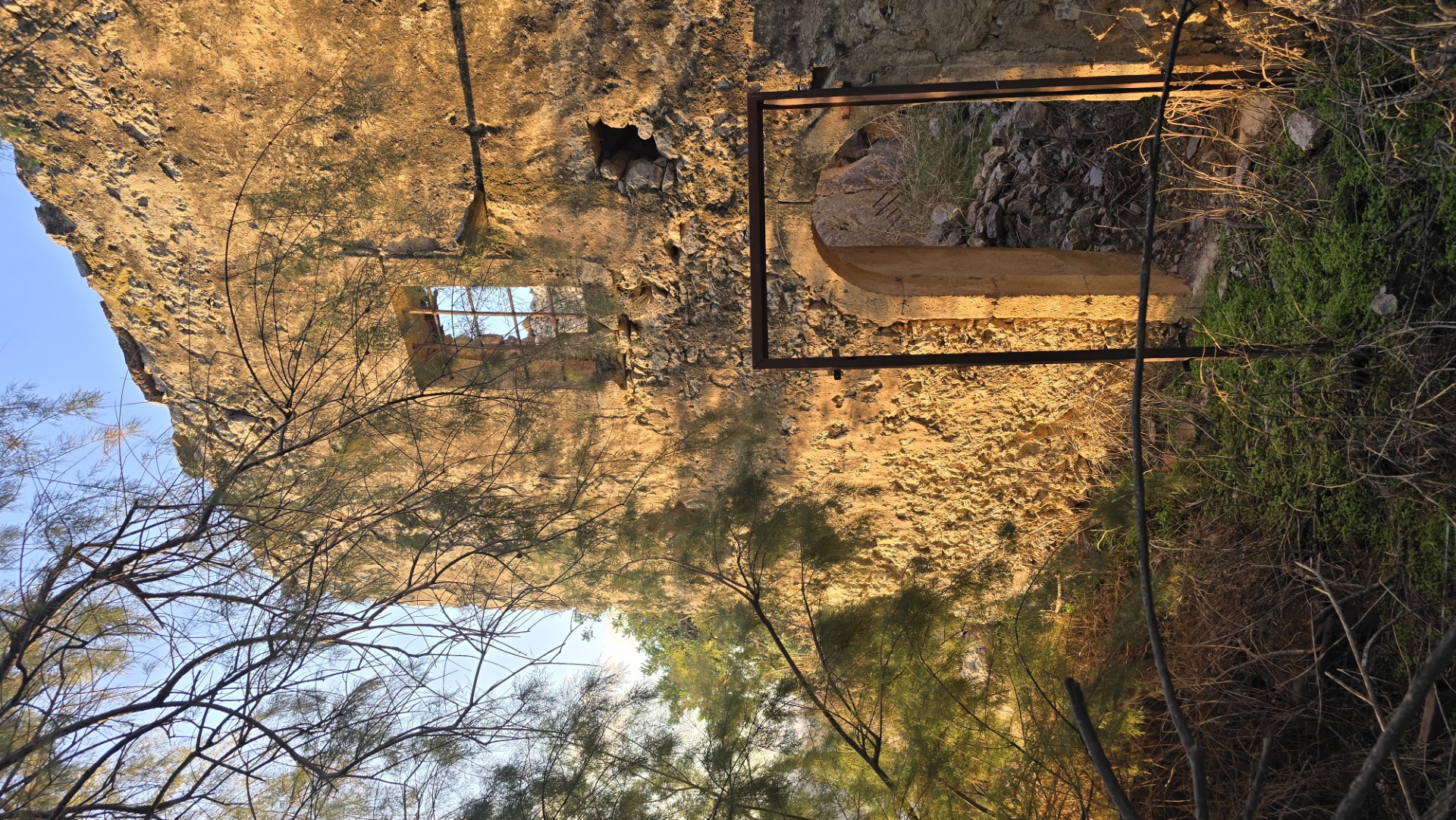
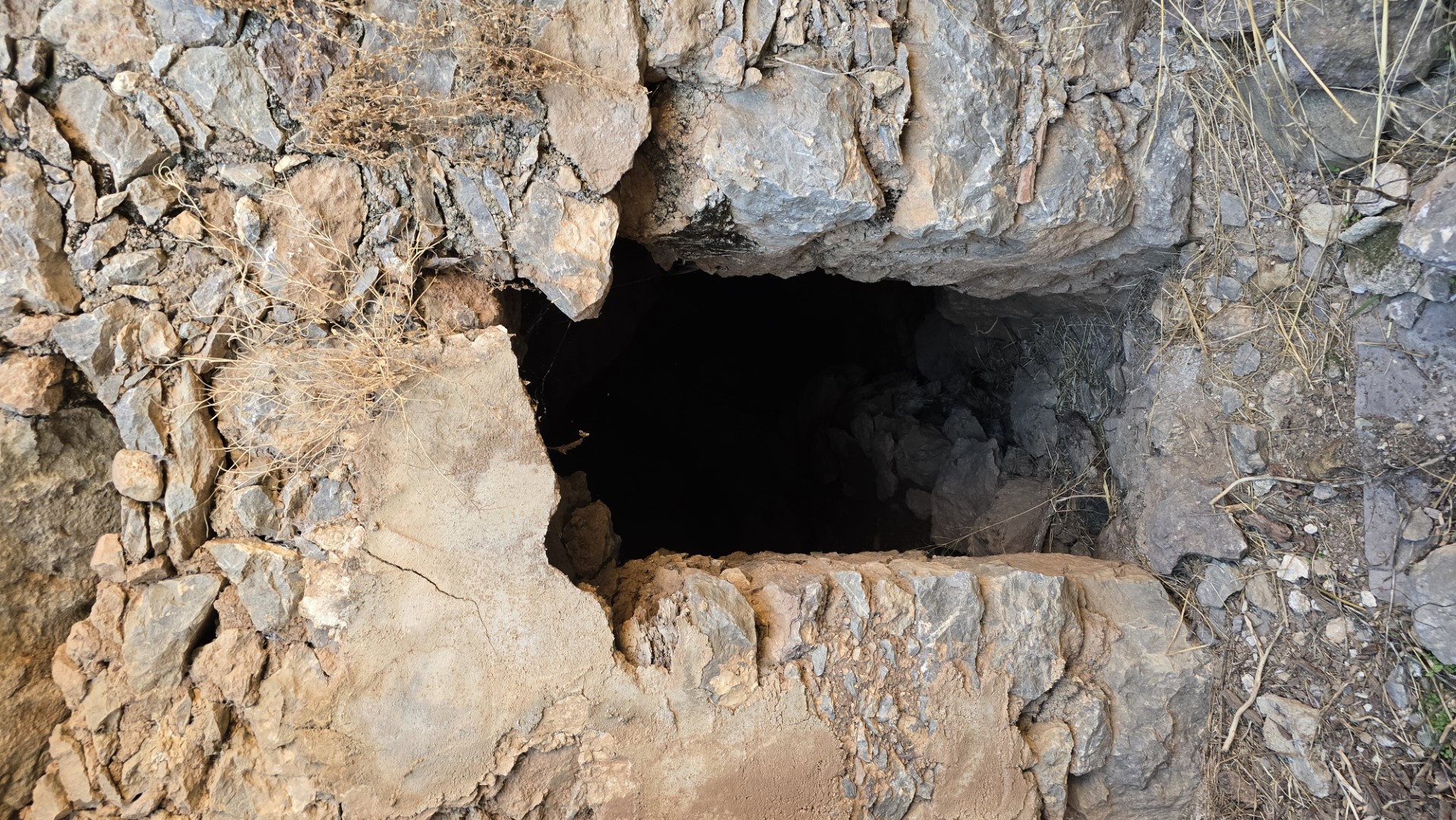
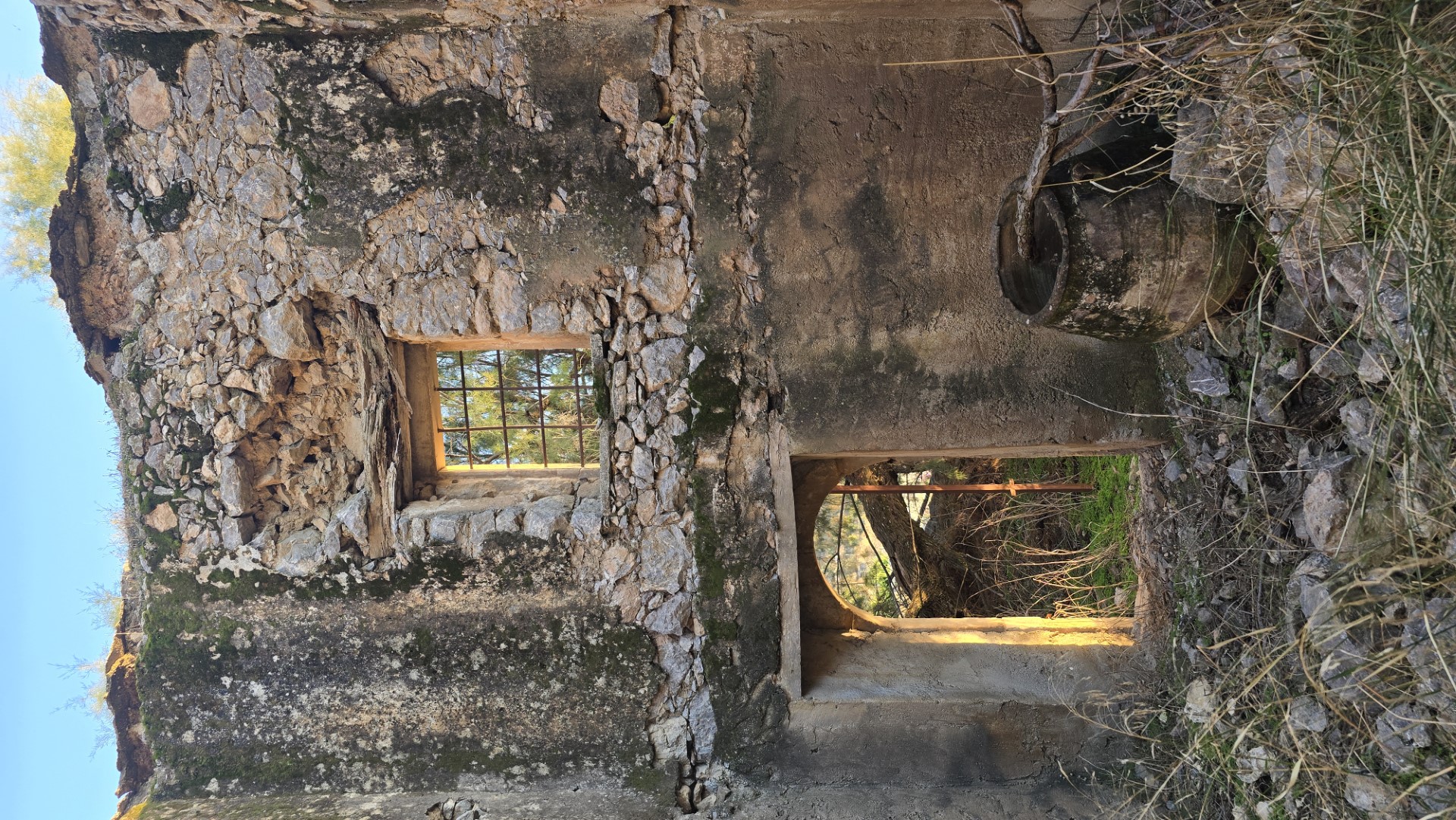
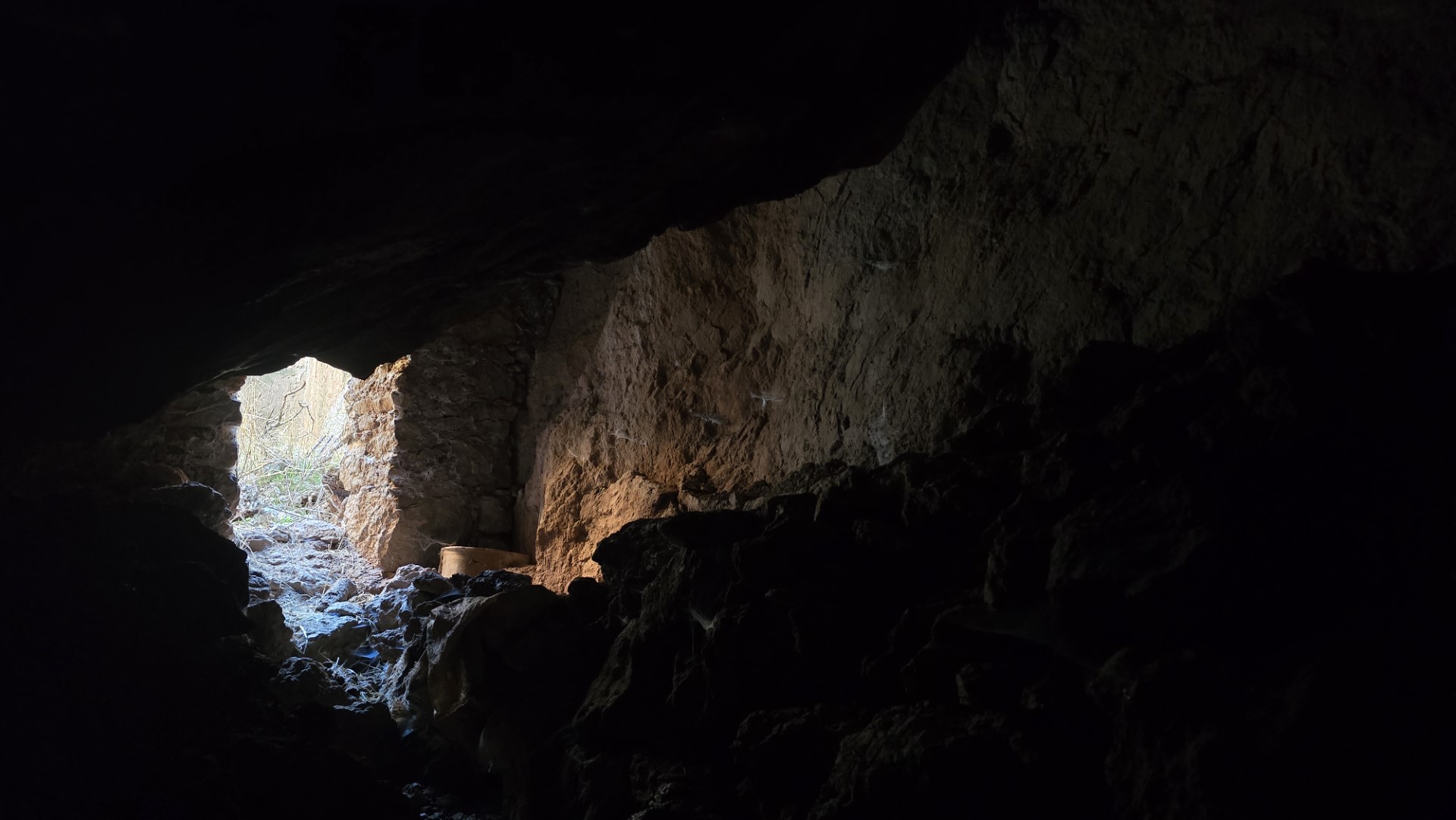
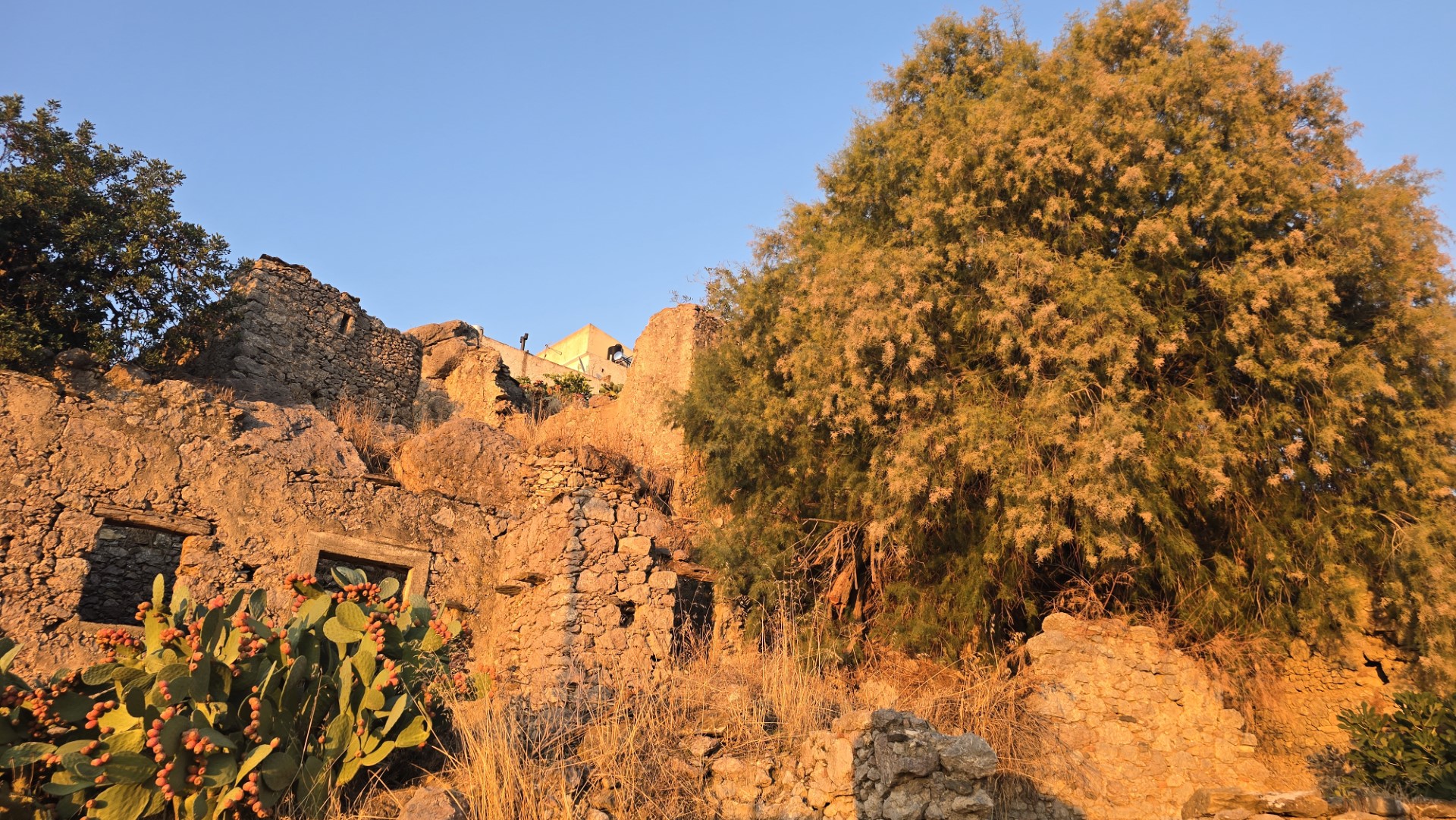
The Mummy Cave is located within the village of Miamou, in the Asterousia Mountains, in southern Heraklion. Its entrance lies inside an old ruined building, making it difficult to locate. The site is one of the pieces of evidence confirming human presence in the Asterousia area as early as the Neolithic period.
It is a small natural cavity of significant archaeological interest. It was excavated in 1897 by the Italian archaeologist Antonio Taramelli, who later published the results of his research. Different archaeological layers were identified inside, with the earliest finds dating to the Neolithic period, around the 4th millennium BC.
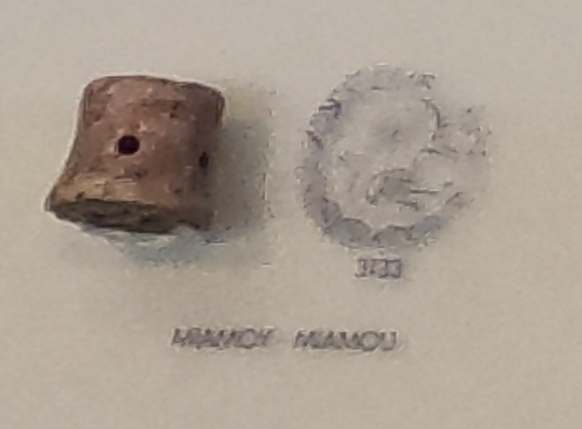
The excavations uncovered pottery, stone and bone objects, as well as other traces of human activity. Burial remains dating to the Early Minoan period were also found in more recent layers, indicating that the site was used during different periods and for different purposes.
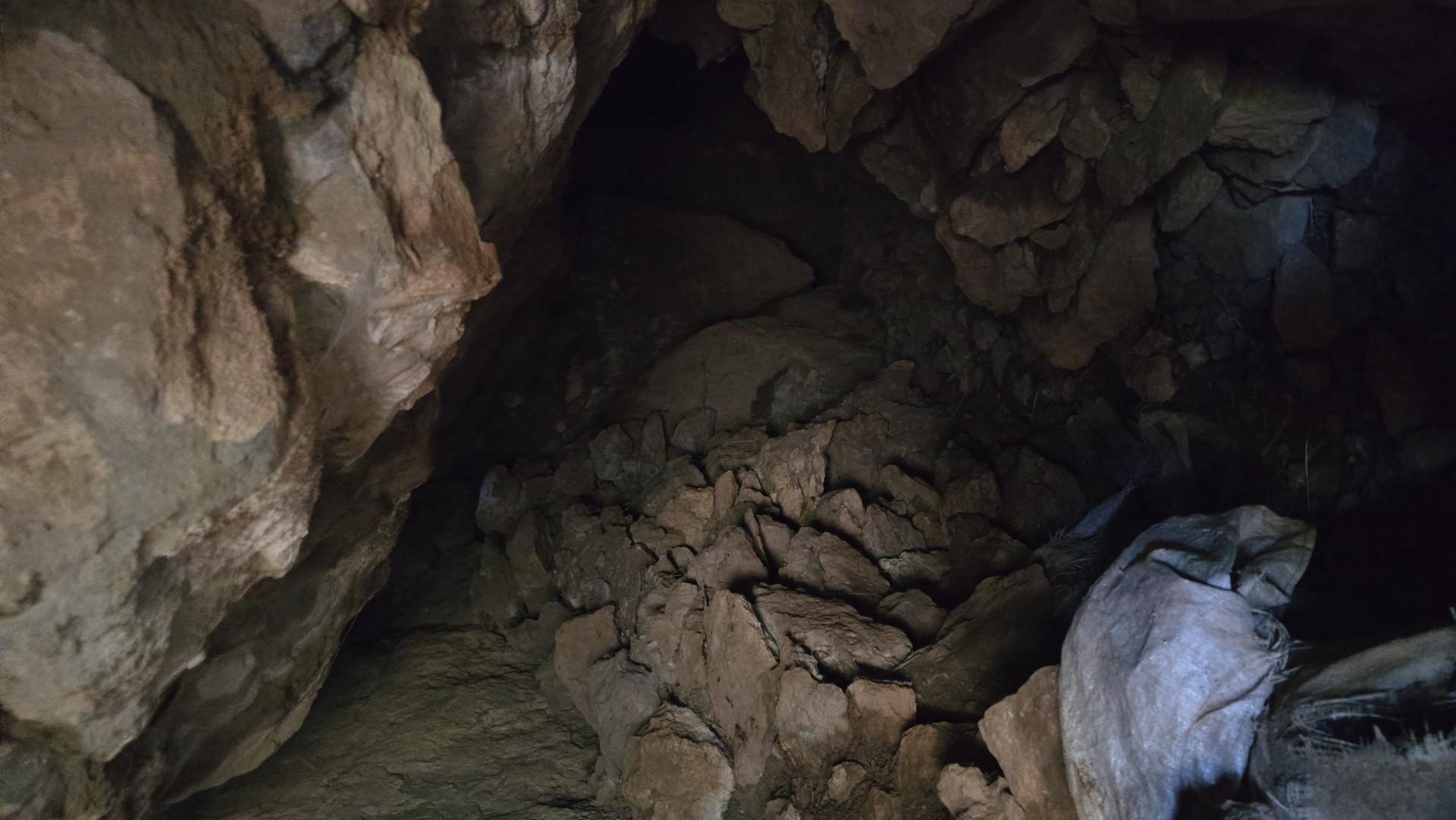
From a geological point of view, the cavity was formed along a fault within carbonate rocks. These rocks are heavily fractured by tectonic movements and have formed a carbonate tectonic breccia, a rock consisting of angular fragments of carbonate material produced by fracturing along the fault zone. This intense tectonic deformation also explains the present instability of the walls and ceiling.
Much later, a house was built directly in front of the entrance, effectively incorporating the natural cavity into the building.
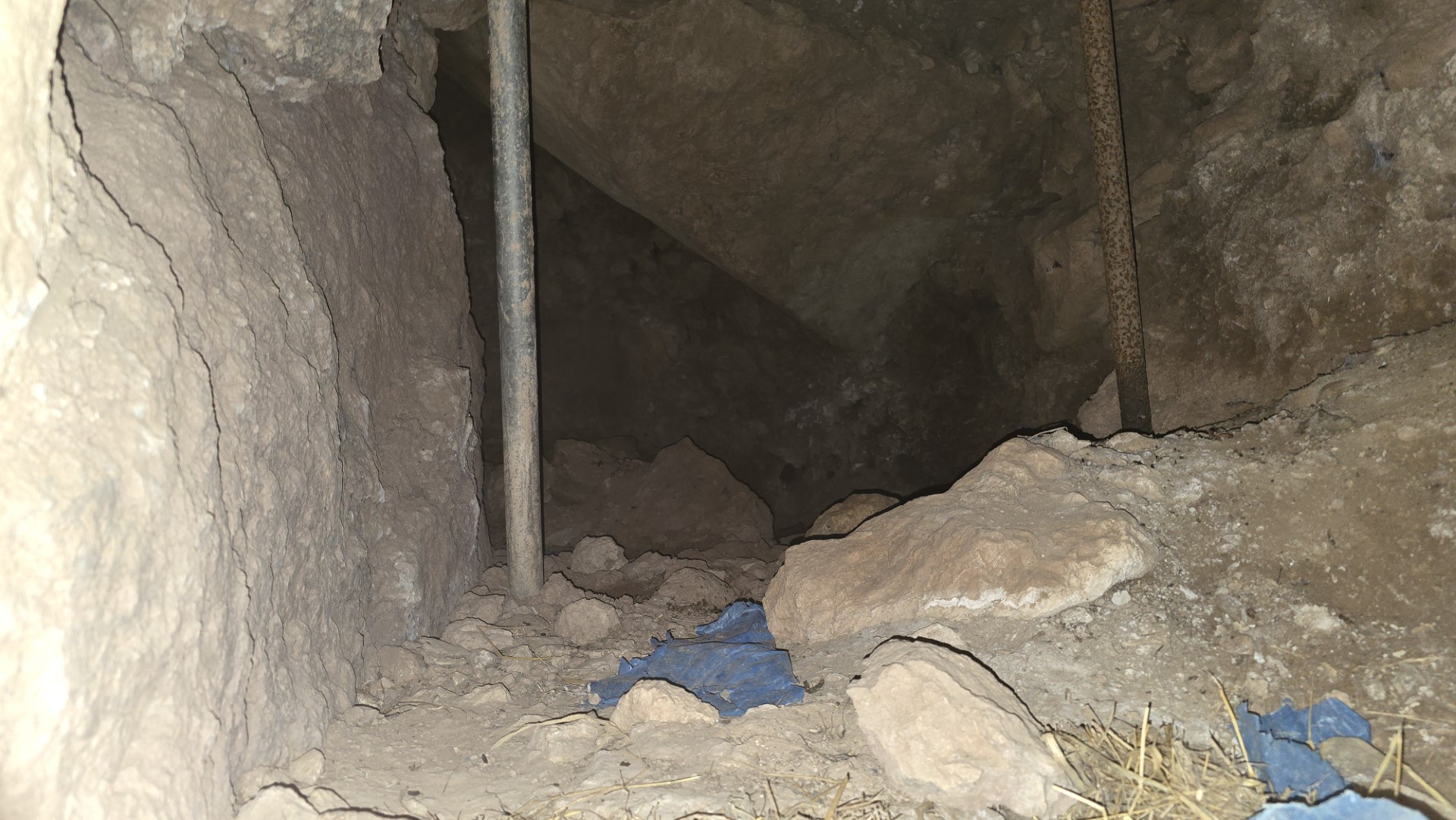
The interior consists of two small chambers. The first is relatively spacious and has very high humidity, while the ground is muddy in several places. The second is narrower and even more humid. The walls and ceiling are particularly unstable because of the intense fracturing of the rocks, and entering the cave can be dangerous. Metal supports have also been installed in parts of the ceiling. According to local residents, the cavity once extended deeper, but part of it was blocked by rockfalls and landslides.
The name “Mummy Cave” comes from a local tradition according to which a mummy, believed to belong to an ancient princess, was once found here. There is, however, no archaeological evidence confirming this story. A better-known explanation for the name Miamou derives it from the expression “mia omou”, meaning “together as one”, referring to the gathering of inhabitants from older nearby settlements at a common location.
Additional Info
- Location: Heraklion Prefecture
- Type: Horizontal Cave, With archaeological importance


