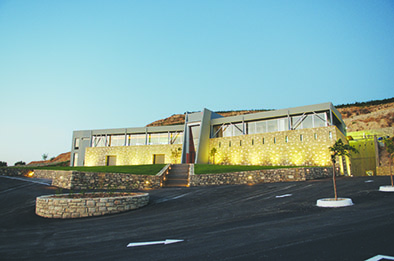
Cretan wine is an integral part of the island’s traditional diet, everyday life and hospitality. Viticulture in Crete has a history spanning thousands of years, as shown by archaeological discoveries, Minoan wine presses and representations associated with the production and consumption of wine. Vineyards can be found across Crete, from fertile plains and low hills to mountainous slopes. Altitude, varied terrain, abundant sunshine, prevailing winds and different soil types create a remarkable range of microclimates. These conditions allow both indigenous and international grape varieties to thrive. Important native white grape varieties include Vidiano, Vilana, Thrapsathiri, Dafni, Plyto and Muscat of Spina. Among the best-known red varieties are Kotsifali, Liatiko, Mandilari and Romeiko. Several of these varieties survived thanks to the persistence of local growers and are now used in distinctive single-variety wines and carefully balanced blends. For centuries, wine production in Crete was mainly a family activity. Rural households commonly maintained their own vineyards, made wine for domestic consumption and used the grape pomace to produce tsikoudia. The grape harvest remains an important part of rural life, associated with collective work, celebrations and traditional customs. During recent decades, Cretan winemaking has developed considerably. Modern wineries work closely with grape growers, invest in indigenous varieties and produce wines with a strong sense of place. Many wineries are open to visitors, offering tours of their vineyards and production facilities, wine tastings and an introduction to the history of the Cretan vineyard. The principal wine-producing areas are found around Heraklion, Archanes, Dafnes, Peza, Venerato, Sitia, Rethymno and Chania. By following Crete’s wine routes, visitors can discover not only the island’s wines and wineries but also traditional villages, archaeological sites, monasteries and landscapes that have been connected with viticulture for centuries.
Read more ...