
Archaeological Museum of Archanes
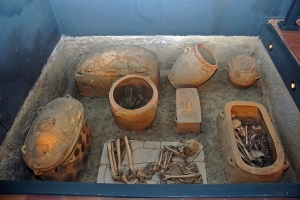
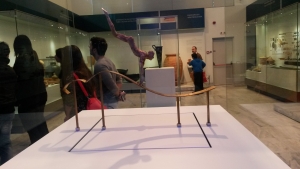
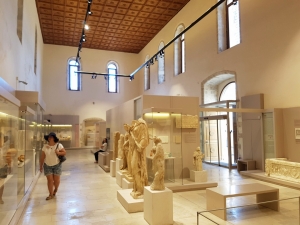
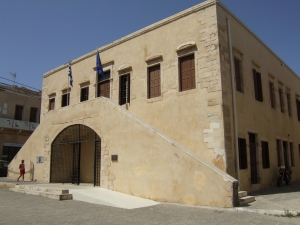
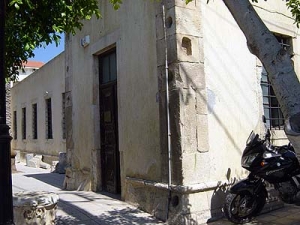
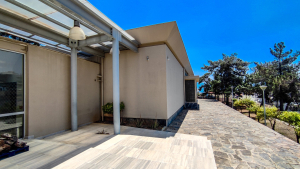
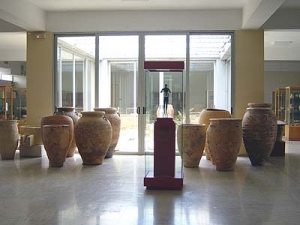
The Archaeological Museum of Archanes operates since 1993 in a beautiful neoclassical building that housed the first primary school of Archanes, at the district Tzami.





In Crete’s archaeological museums, finds from homes, palaces, sanctuaries and graves show how people lived on the island from the Neolithic to the Roman period. The Archaeological Museum of Heraklion is especially known for its collection of Minoan antiquities, which shed light on daily life, art and religious practices in the Minoan world.
Regional museums show how different parts of the island developed over time. In Halepa, the Archaeological Museum of Chania displays finds from western Crete, while the Museum of Eleftherna explores the links between the ancient city and the world described by Homer. The Archaeological Museum of Messara traces the history of the plain from prehistoric times to the early Christian period.
In eastern Crete, the Archaeological Museum of Agios Nikolaos displays grave goods from the Early Minoan cemetery at Agia Fotia. Highlights of the Archaeological Museum of Sitia include finds from the palace at Kato Zakros and the gold-and-ivory figurine from Palaikastro.
The archaeological museums of Rethymnon and Kissamos, along with the collections in Archanes, Ierapetra and Gazi, add to the picture. These smaller collections connect finds with the places where they were discovered, from the Minoan complex at Archanes to the ancient city of Hierapytna.



 Beaches
 Nature
 Past
 Destinations
 Highlights
 West CreteCentral CreteEast CreteChaniaPaleochoraKissamosGeorgioupolisChora SfakionLoutroRethymnonAgia GaliniPlakiasSpiliAnogiaHeraklionHersonissosMaliaMatalaAgia Pelagia`ArchanesKokkinos PirgosAgios NikolaosEloundaSitiaIerapetraMakrigialosPalekastroZakrosLassithi Plateau


