




 Sea Squill
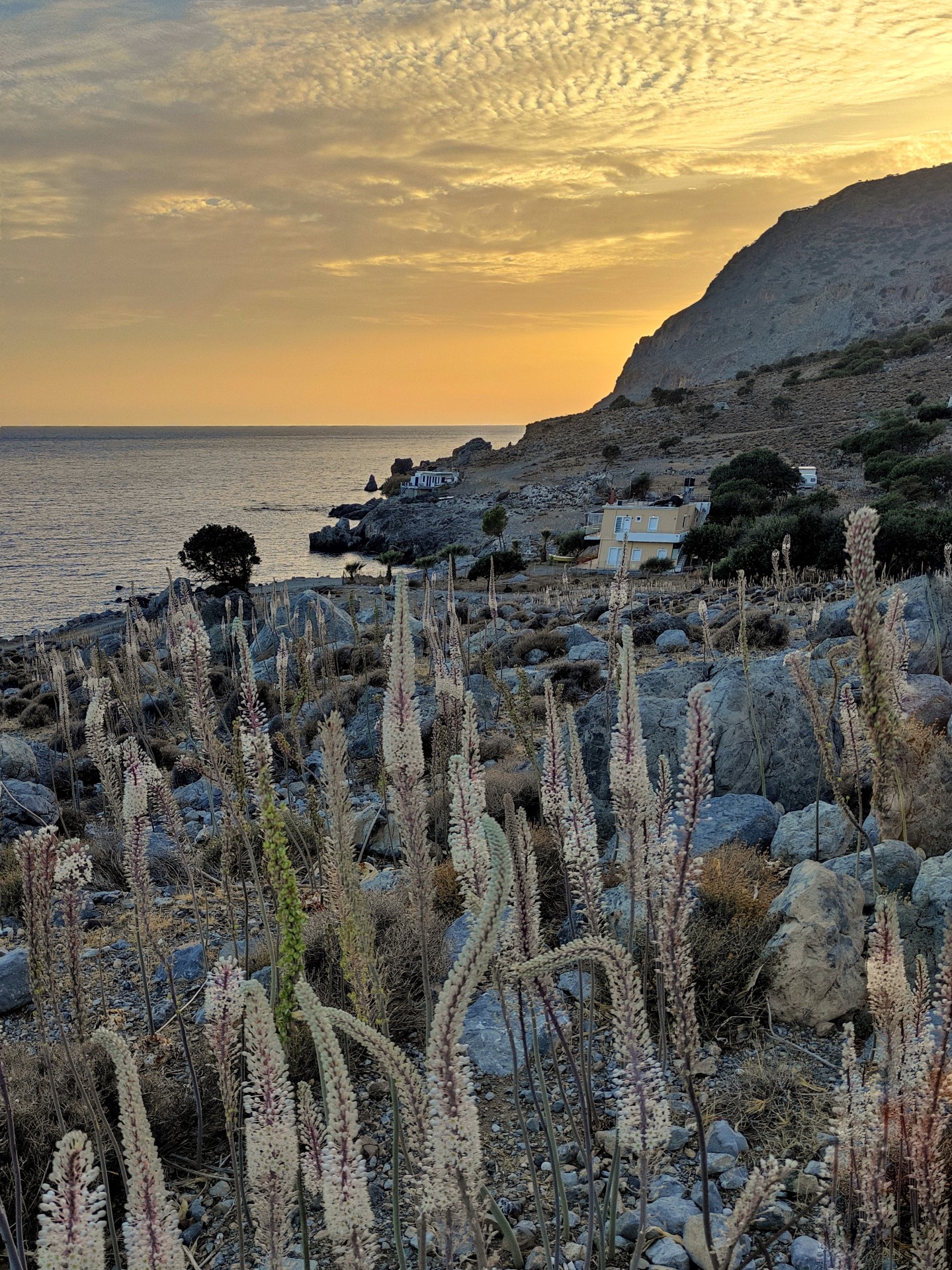
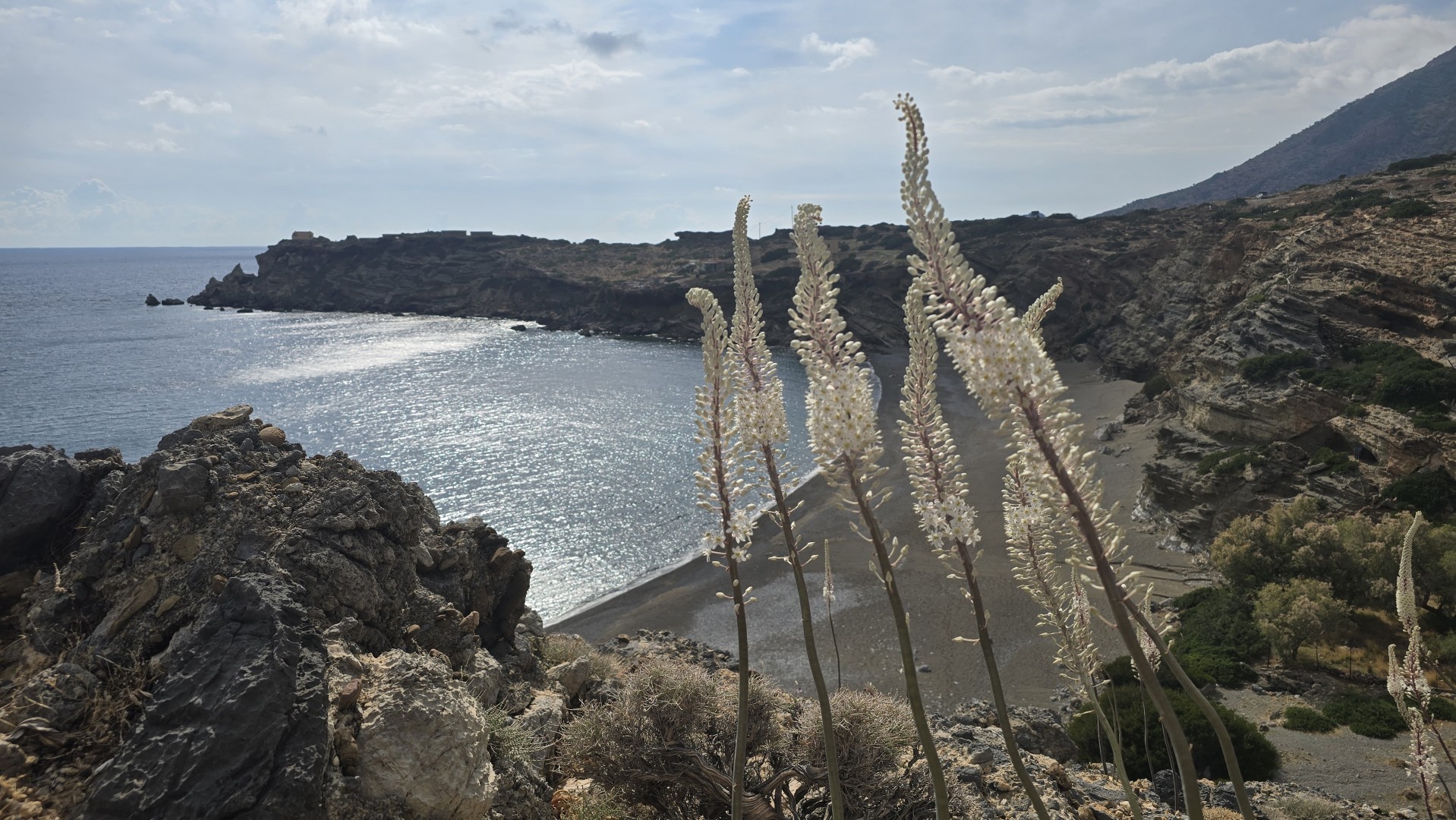
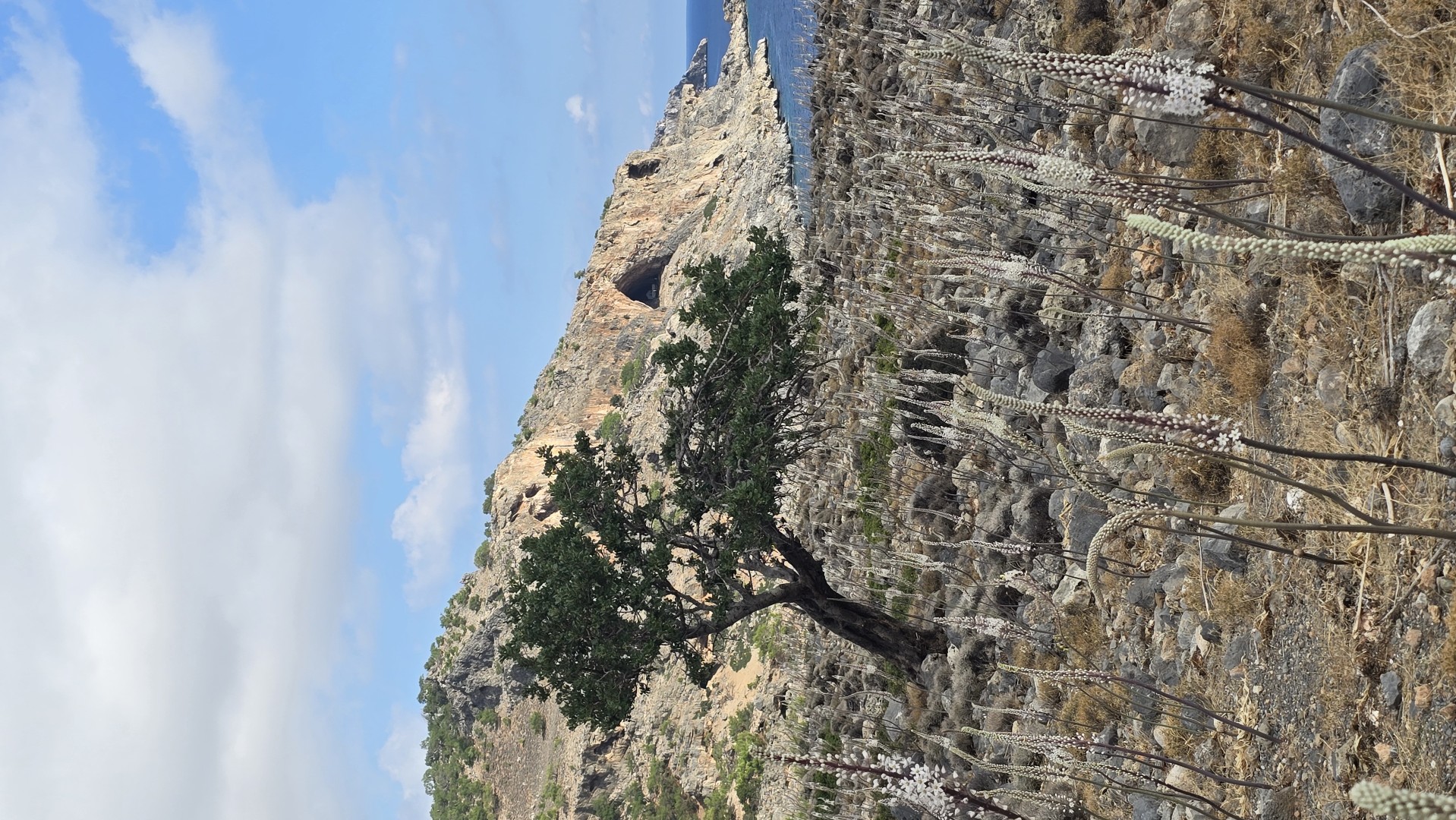
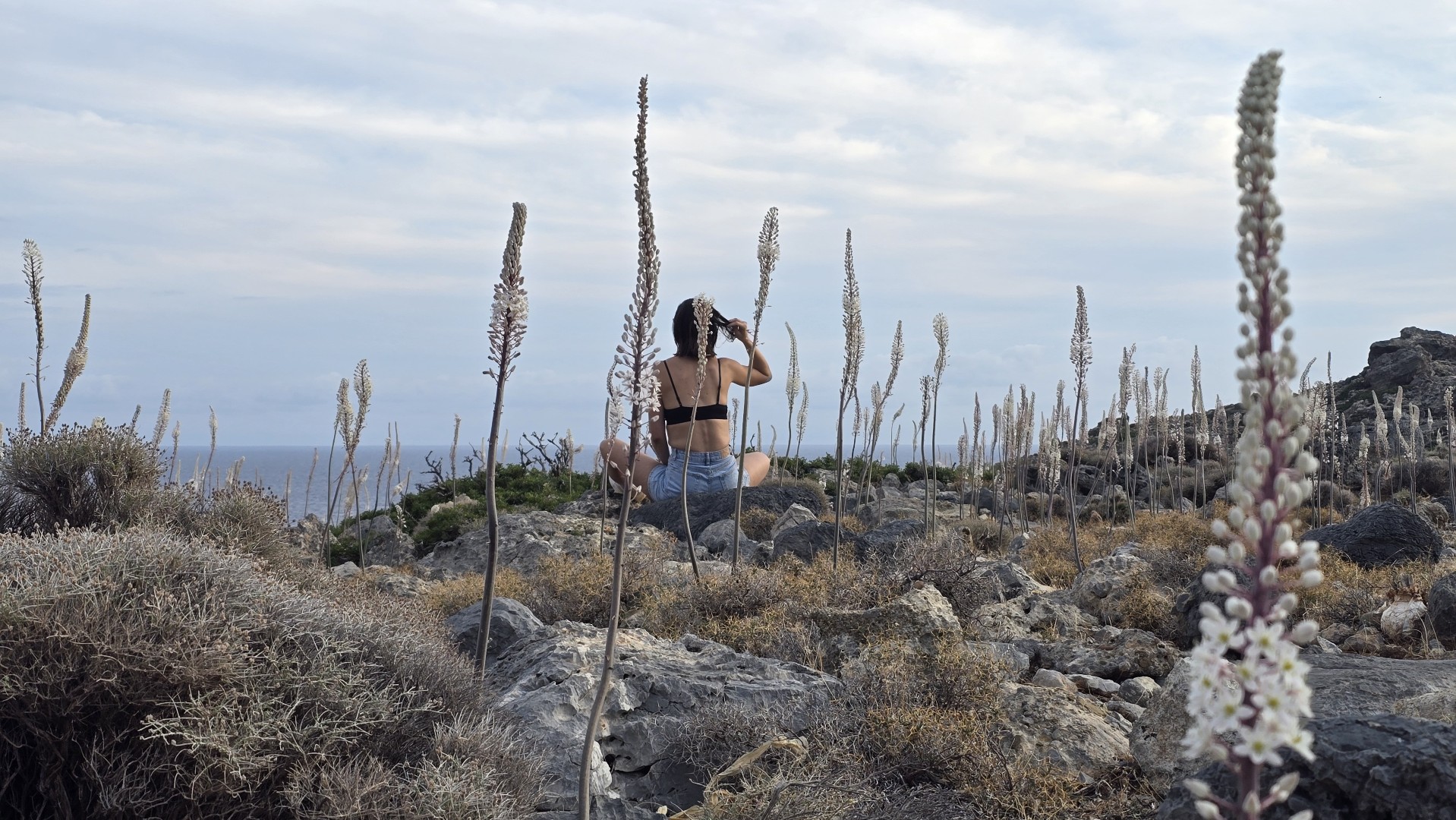
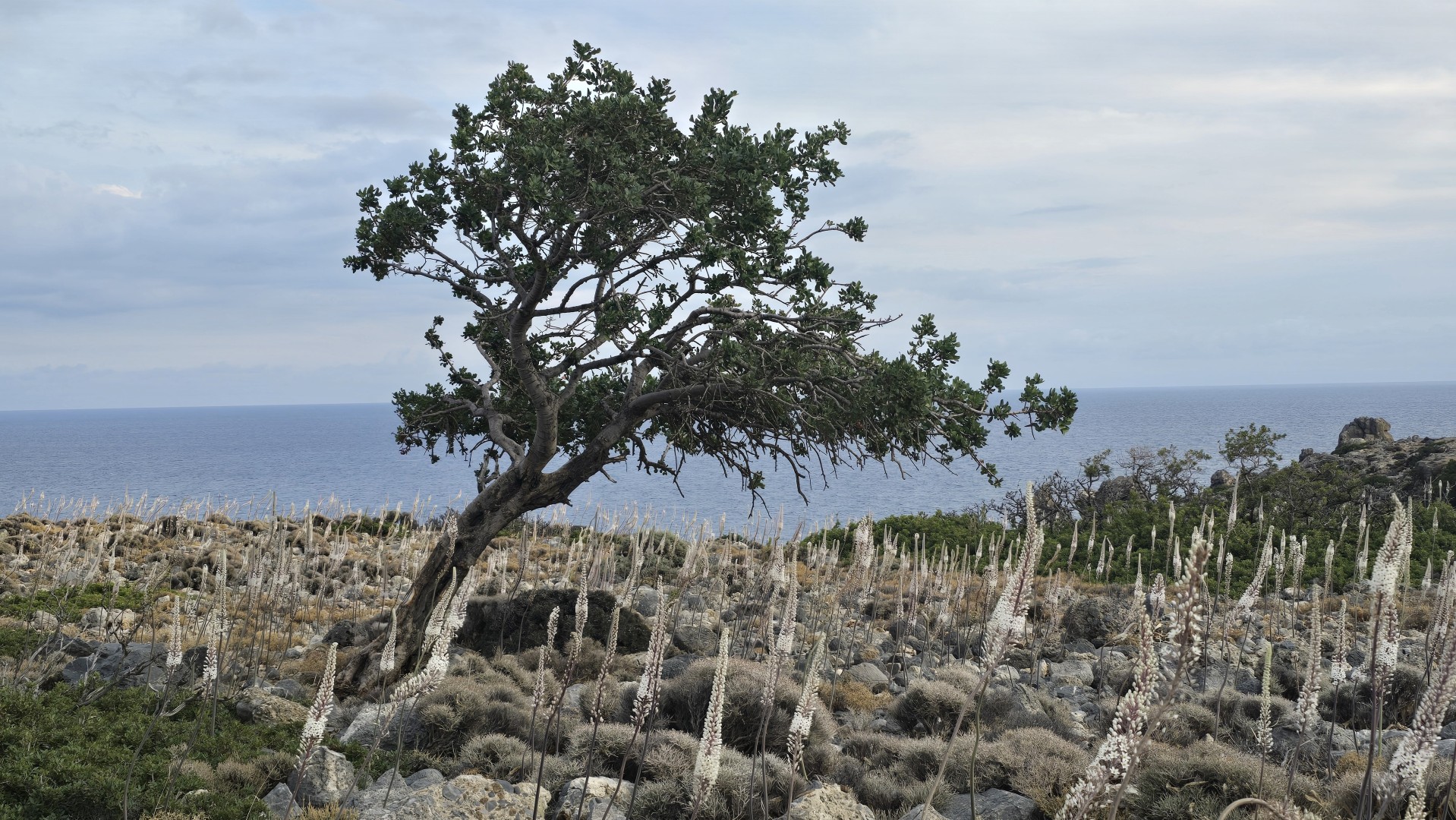
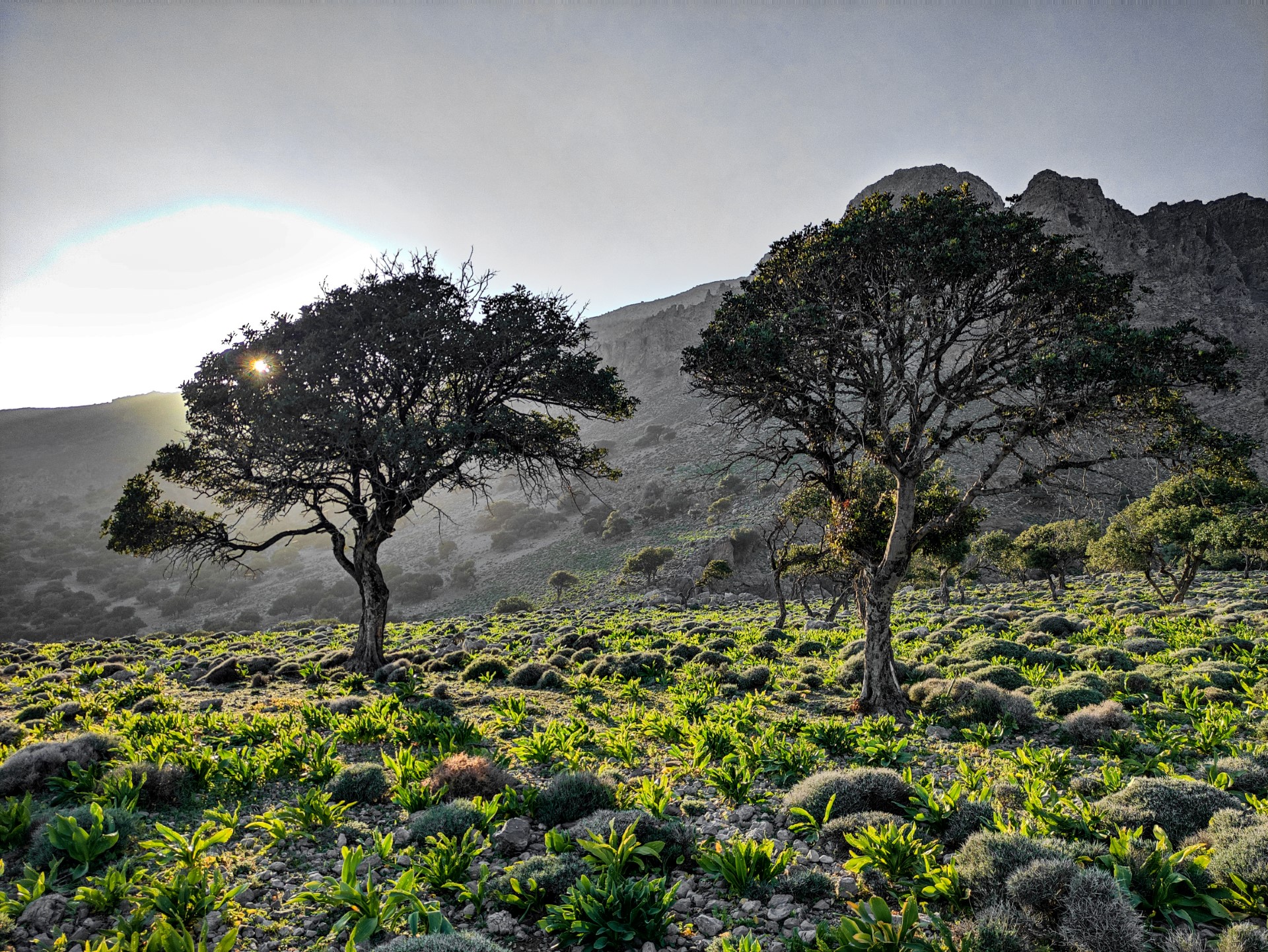
The sea squill is one of the most striking flowers of autumn in Crete. Across the island, its tall stems, covered in small white flowers, stand out among the rocks and dry scrub. In October, for example, thousands of blossoms cover patches of the limestone slopes along the rocky coast of the Asterousia Mountains, above the South Cretan Sea.
A wild bulb that flowers before its leaves appear
Botanical literature on Crete refers to the askeletoura as Drimia maritima in the broad sense, while Kew’s botanical database lists Drimia numidica for Crete.
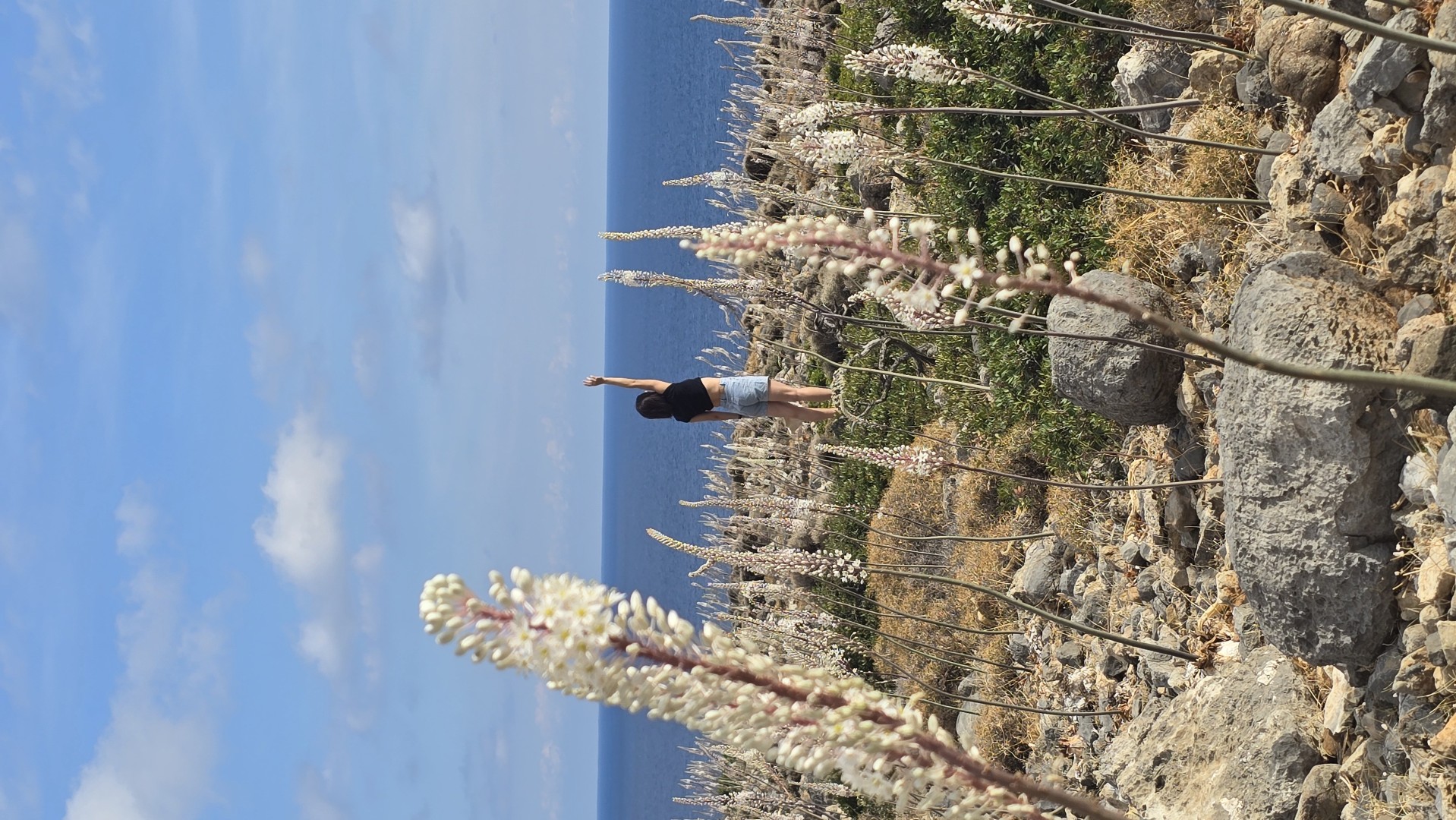
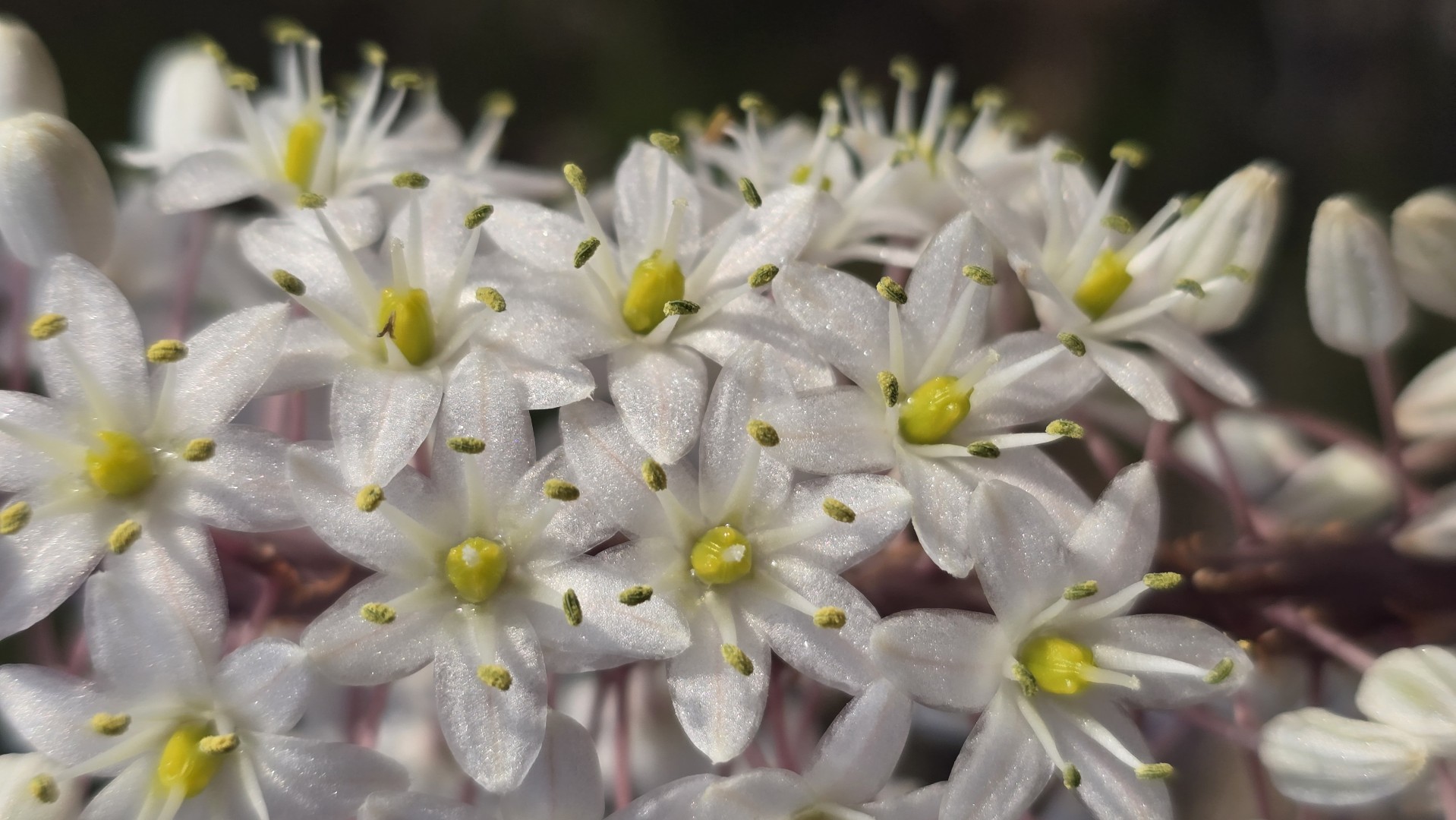
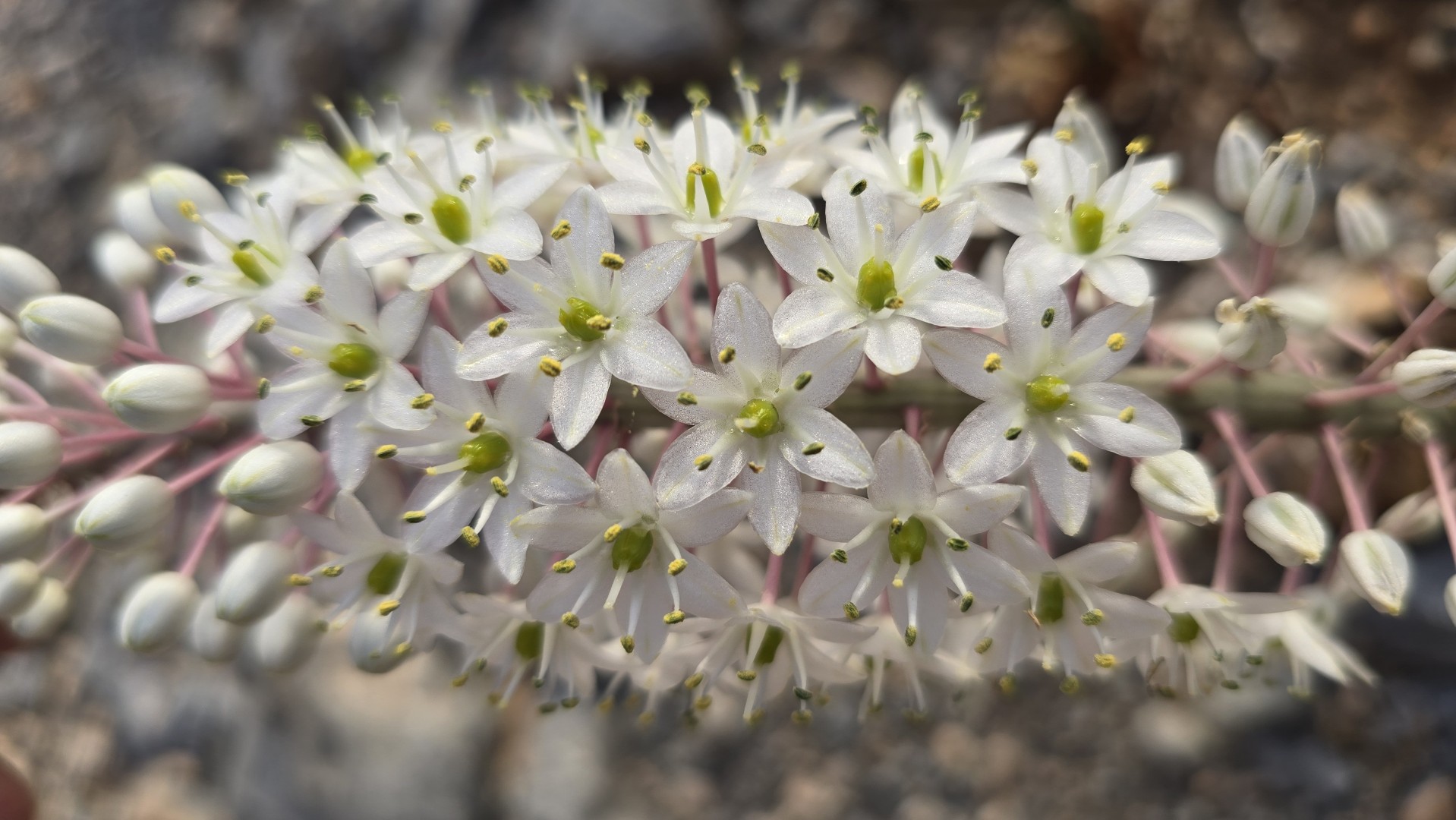
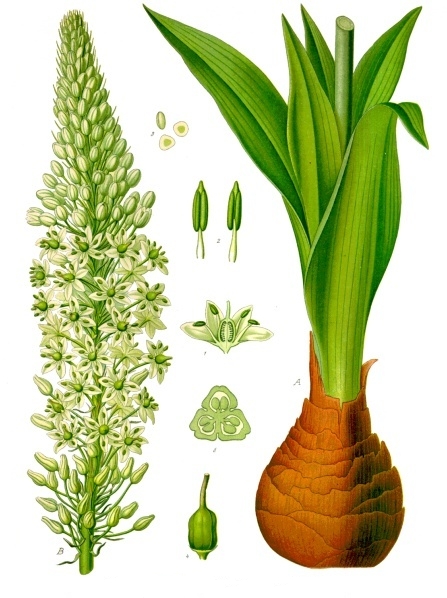
In Crete the plant is called askeletoura, and around Sitia it is also known as athanatokrommyda. Elsewhere in Greece it goes by names such as skilla, skillokremmyda, agriokremmyda, skylokremmydo and botsikas. In parts of western Greece it is called vasilitsa or agiovasilitsa, names linked to New Year’s Day. On Leros it is known as keraki, meaning “little candle”. From a distance, it’s easy to see why. The flowering stems look like white candles scattered across the hillside. Up close, each “candle” is made up of dozens of little star-shaped flowers. They open from the bottom up, so you can see open flowers lower down and unopened buds higher up on the same stem.
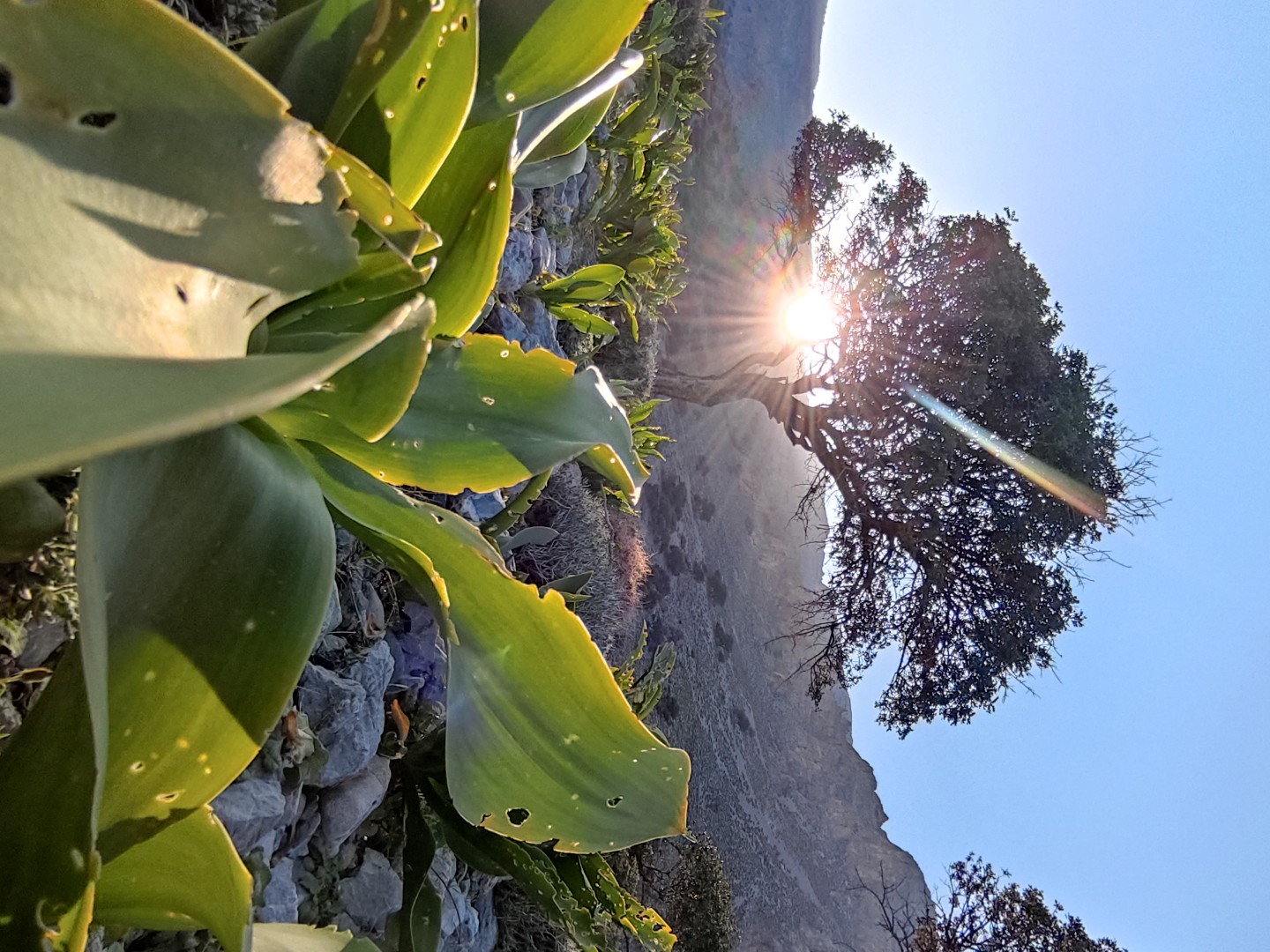
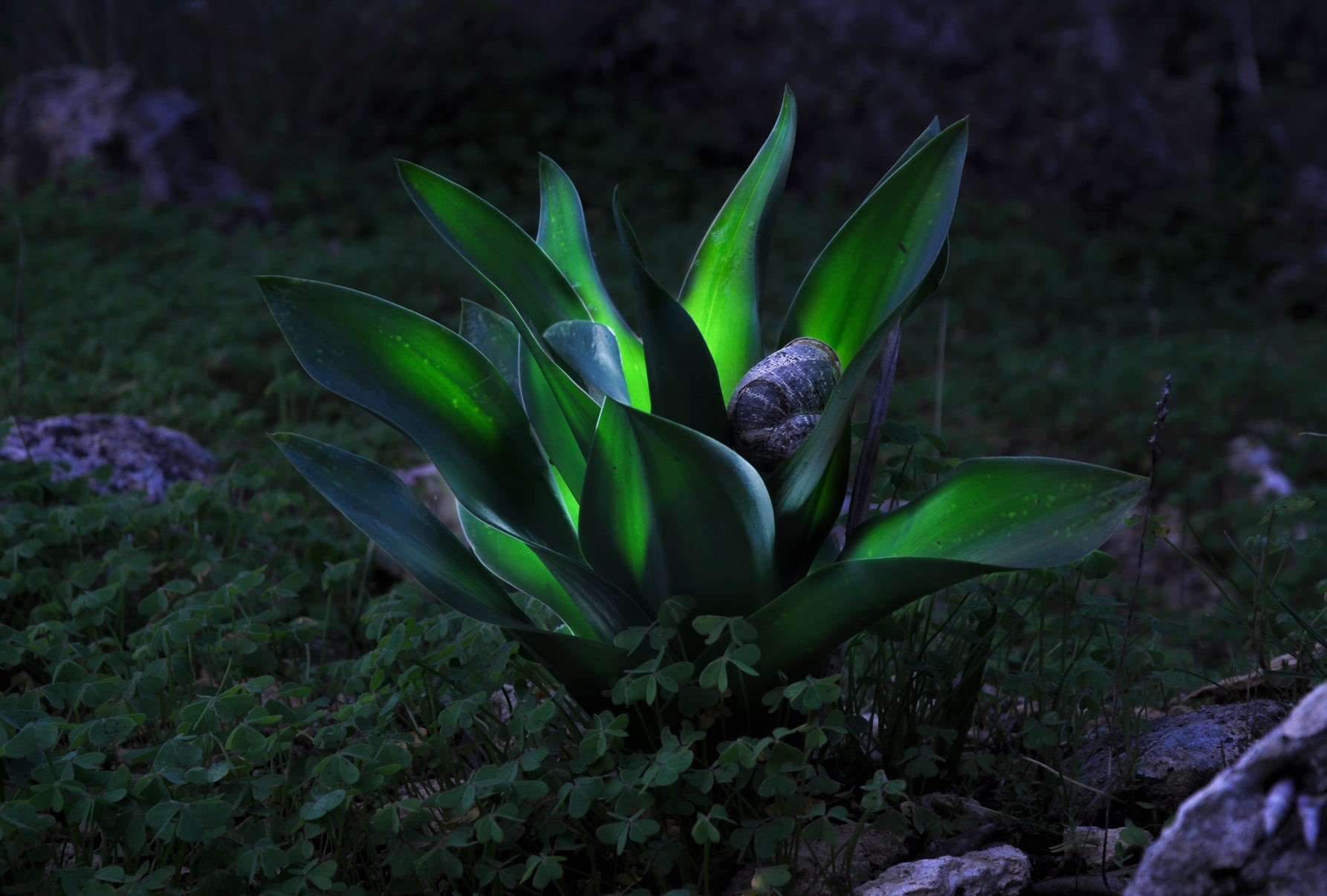
In Crete it grows on rocky slopes, in dry scrub and along roadsides, both near the coast and inland. It spends the dry summer dormant, drawing on reserves stored in its large bulb. The flowering stems start to emerge in late summer and can reach a metre and a half. The broad green leaves appear later, as the flowers fade. That is why the white flowers rise above a landscape that still has the colours of summer.
A New Year’s charm on the door
In Cretan villages, people used to hang an askeletoura on the front door on New Year’s Day to bring good luck for the year ahead. The bulb can put out new leaves even after it has been lifted from the ground. People saw that resilience as something they wanted for their own household. They believed the plant brought good fortune and, hung on the door, kept the evil eye away.
The bulb looks like a large onion, but it is toxic if eaten.
Lots of flowers, a harsh winter?
In the Messara, people used to say that when the askeletoura grew a tall stalk covered in flowers for much of its length, winter would be cold and rainy. Around Rethymno they watched the latzouni, their word for the flowering stalk. If it bloomed all the way up, they expected a harsh winter. If it bloomed only halfway up, they expected a milder one. In other accounts, what mattered was how early the plant flowered.
The belief that abundant flowers foretell a harsh winter is part of local folklore, with no scientific confirmation. The white blooms are, however, a familiar sign that autumn has arrived in Crete. You can see them on the slopes above the South Cretan Sea, on a dry hill inland or along a roadside that looked like summer only a few days before.