Sea turtles
Crete is an important nesting area for the loggerhead sea turtle (Caretta caretta), with its main nesting grounds on the sandy beaches of Rethymno, Chania and the Gulf of Messara. Every year, female turtles come ashore at night and lay their eggs in nests dug into the sand.
The green sea turtle (Chelonia mydas) also occurs in the waters around Crete, and occasional nesting events have been confirmed on the island. The leatherback sea turtle (Dermochelys coriacea), the largest of all sea turtles, appears in Greek waters as a visiting species but does not nest on Greek shores.
All sea turtles are reptiles and breathe through lungs, so they need to return to the surface for air. Although they spend most of their lives at sea, their reproduction depends on sandy shores.
Protecting nesting beaches from excessive artificial lighting, disturbance and degradation, together with reducing marine pollution and accidental capture in fishing gear, is essential for their conservation.
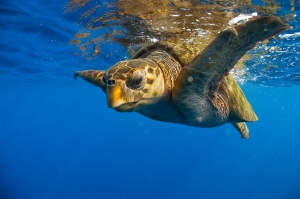
The loggerhead sea turtle (scient. Caretta caretta) is the most important sea turtle species of Greece, which is strictly protected by the Greek laws. In Greece, two organizations are involved in the protection of sea turtles, namely ARCHELON and MEDASSET, actually doing a great job.
Read more ...
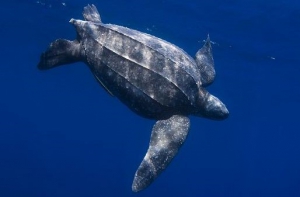
The leatherback turtle (scient. Dermochelys coriacea) is the largest reptile in the world, with its shell growing up to 250cm and its weight, sometimes, exceeding 900kg. Infrequent appearances of the species have been reported in Greece (and in Crete), while there has not been reported any case of breeding on Greek beaches.
Read more ...
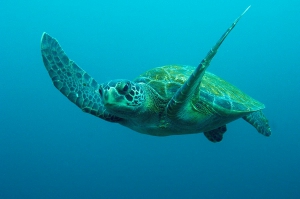
The green sea turtle (scient. Chelonia mydas) has been met very rarely in the Greek seas and there are no indications for nesting on Greek shores. It is also found rarely off the Cretan seas and is the largest sea turtle with hard shell in the world.
Read more ...
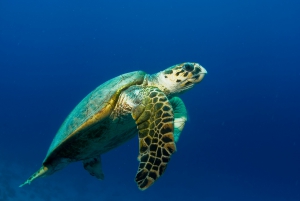
The hawksbill sea turtle (scient. Eretmochelys imbricata) is an endangered sea turtle species found primarily in tropical seas. Some of them (very few) have been met in the open sea south of Crete and in other Mediterranean areas.
Read more ...