
Byzantine Collection of St Catherine
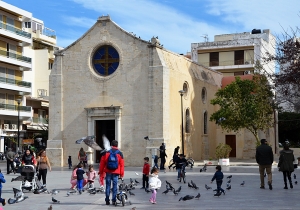
The Museum of Byzantine Icons and Relics of Archdiocese of Crete is located in the Venetian church of St. Catherine of Sinai, in the center of Heraklion and next to the cathedral of Saint Minas.




A painted icon on a wooden panel shows how Crete’s painters worked. An embroidered vestment or a handwritten Gospel book reveals the care that went into making objects for worship. In Crete’s ecclesiastical museums and collections, these objects tell the story of the churches and monasteries and of the people who made and preserved them.
In Heraklion, the panel icons of Michael Damaskinos are among the highlights of the Museum of Christian Art at Saint Catherine of Sinai. In Chania, the Byzantine and Post-Byzantine Collection is housed in the former church of San Salvatore and displays mosaics, wall paintings and icons from the region. At the Ecclesiastical Museum of Rethymno, the old clock from the cathedral bell tower is displayed alongside vestments and liturgical vessels. It is a reminder of how closely the church was woven into the city’s daily life.
Monasteries often display their treasures where they were once used or kept. At Toplou Monastery, near Sitia, Ioannis Kornaros’s icon “Great Art Thou, O Lord” illustrates the prayer of the Great Blessing of the Waters in a series of small painted scenes. The monastery also holds a collection of engravings. At Arkadi Monastery, icons, vestments and manuscripts are displayed alongside objects from the uprising of 1866. At Preveli Monastery, the collection brings together objects from daily life at the monastery and its dependencies.
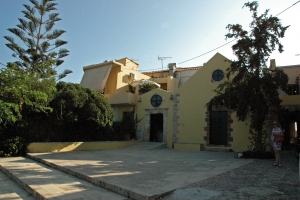
In the Chania region, the collections at Gonia Monastery in Kolymvari, Agia Triada Tzagarolon Monastery on the Akrotiri Peninsula and Chrysopigi Monastery preserve icons, books and other objects from monastic life. In the Messara Plain, the museum at Kalyviani Monastery displays icons and vestments alongside woven textiles, everyday objects and material from the monastery’s former printing workshop.


 Beaches
 Nature
 Past
 Destinations
 Highlights
 West CreteCentral CreteEast CreteChaniaPaleochoraKissamosGeorgioupolisChora SfakionLoutroRethymnonAgia GaliniPlakiasSpiliAnogiaHeraklionHersonissosMaliaMatalaAgia Pelagia`ArchanesKokkinos PirgosAgios NikolaosEloundaSitiaIerapetraMakrigialosPalekastroZakrosLassithi Plateau


