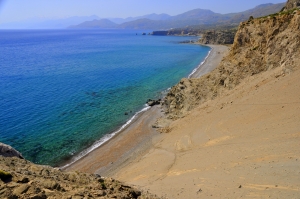
Βγαλμένη σαν από παραμύθι, η μαύρη παραλία Άσπες βρίσκεται περίπου 58 χλμ νότια του Ηρακλείου, σε μια από τις πιο απομονωμένες και δύσβατες περιοχές των Αστερουσίων Όρεων.
Kato Stalos, which is the coastal part of Stalos, has a fantastic sandy beach. The beach is very well organized and is providing all the possible touristic services. For this reason, the beach is awarded every year with blue flag.
Potamos is a long sandy beach, very well organized, but less crowded than the main beach of Malia. The region, particularly its east part, is not developed due to the archaeological site. However, in the west of the beach, there are several hotels with small bays in front of them.
One of the best-kept secrets in Rethymno aside from Akoumiani Gialia or more popularly known as Triopetra beach to tourists and locals alike, is the breathtaking Melissa Cape Sandhills, by Agios Pavlos, which is considered among the best beaches in Crete.
Το Λουτρό είναι ένα μικρό ψαροχώρι που βρίσκεται σε απόσταση περίπου 71 χιλιομέτρων νότια των Χανίων, στο τέλος του ακρωτήριου Μουρί. Πιστεύεται ότι αυτή ήταν η θέση της αρχαίας πόλης του Φοίνικα και ήταν το λιμάνι της αρχαίας Ανώπολης. Αργότερα, έγινε το χειμωνικό λιμάνι της πόλης των Σφακίων, λόγω του γεγονότος ότι ο κλειστός κόλπος και το μικρό νησί στην είσοδο του δημιουργούν ένα φυσικό λιμάνι όπου τα πλοία μπορούν να είναι ασφαλή ακόμη και σε πολύ κακές καιρικές συνθήκες.
Ο Λέντας είναι ένας απομακρυσμένος παραθαλάσσιος οικισμός που βρίσκεται 74 χλμ νότια του Ηρακλείου, στις νότιες πλαγιές των επιβλητικών Αστερουσίων Όρεων. Είναι ένα τουριστικό θέρετρο και λιμάνι, πολύ ήπια ανεπτυγμένο που προσφέρει δυνατότητες για πολύ ήρεμες διακοπές.
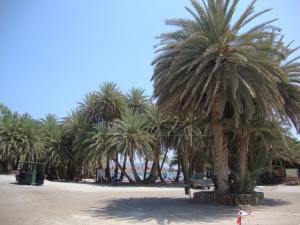
The palm of Theophrastus (Phoenix theophrasti), also known as Cretan Date Palm is a rare endemic species of the Aegean Sea, which is met all over Crete, in several Aegean islands and in Antalya (southwestern Turkey).
Gray limestone atop mountain peaks and vertical cliffs, deep and narrow dark canyons, steep shores, shiny greenish schist, pale phyllite, light limestone eroded by rain and wind, fertile yellowish marlstone - it’s all here. No wonder Crete is a multicolour island.