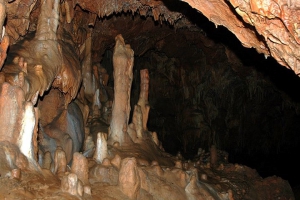
Το σπήλαιο Δόξα βρίσκεται σε υψόμετρο 463m, στη θέση Κακά Πηλά κοντά στο Μάραθος, 20km δυτικά του Ηρακλείου. Είναι ένα μικρό αλλά γνωστό σπήλαιο, το οποίο έχει πάρα πολύ εντυπωσιακό σπηλαιοδιάκοσμο διαφόρων χρωμάτων και μορφών.
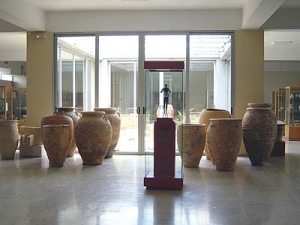
The Archaeological Museum of Sitia operates since 1984 and hosts the most important archaeological finds from eastern Crete (from Sitia, Palekastro, the islets of Mochlos and Psira, the necropolis of St. George, the palace of Zakros, the Hellenistic town of Xerokambos, Ziros, Makrigialos, Lefki island and ancient Itanos).
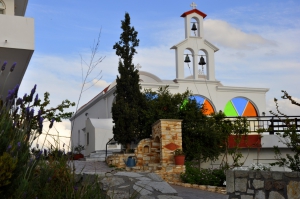
Το νεώτερο μοναστήρι με το επίσημο όνομα Ιερό Ησυχαστήριο Γενεσίου της Θεοτόκου βρίσκεται ανατολικά του χωριού Σγουροκεφάλι. Η γυναικεία μονή ιδρύθηκε το 1990 σε ύψωμα που έχει απεριόριστη θέα στις γύρω περιοχές.
The Monastery of Saint Nektarios at Anogia is a female modern monastery built in a beautiful wooded location with nice view to the neighborhood Perahori of Anogia town.
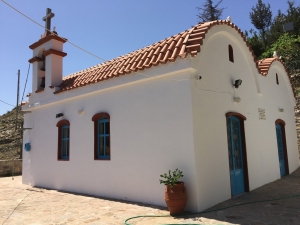
Πάνω στον λόφο της Πατέλλας του Πρινιά, όπου βρίσκεται το γραφικό εκκλησάκι του Αγίου Παντελεήμονα με την φοβερή θέα προς όλες τις κατευθύνσεις, ήταν κτισμένη η Μινωική Ριζηνία ή Απολλώνια, που ήκμασε ως τα Ρωμαϊκά χρόνια.
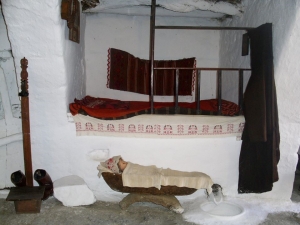
Το Κρητικό Λαογραφικό και Νεοκλασικό μουσείο μαζί με το εκκλησιαστικό μουσείο και του Ελευθερίου Βενιζέλου, συνθέτουν ένα μοναδικό πολιτιστικό τοπίο, όπου το παρόν συγχέεται με το παρελθόν.
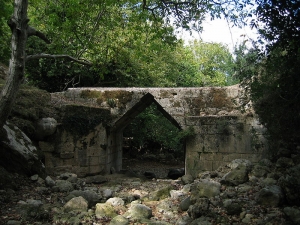
Η αρχαία γέφυρα της Ελεύθερνας είναι ένα από τα καλύτερα διατηρημένα προρωμαϊκά γεφύρια της Κρήτης. Χρονολογείται στην ελληνιστική περίοδο και ξεχωρίζει για το χαρακτηριστικό τριγωνικό άνοιγμά της, το οποίο σχηματίζεται με το εκφορικό σύστημα δόμησης.
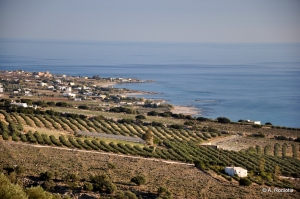
Ο Βάταλος βρίσκεται περίπου 80km νότια των Χανίων, στην μεγάλη πεδιάδα του Φραγκοκάστελου, 1.5km δυτικά του Φραγκοκάστελου. Ο Βάταλος φιλοξενεί τα περισσότερα ξενοδοχεία και ενοικιαζόμενα δωμάτια στην περιοχή του Φραγκοκάστελου.